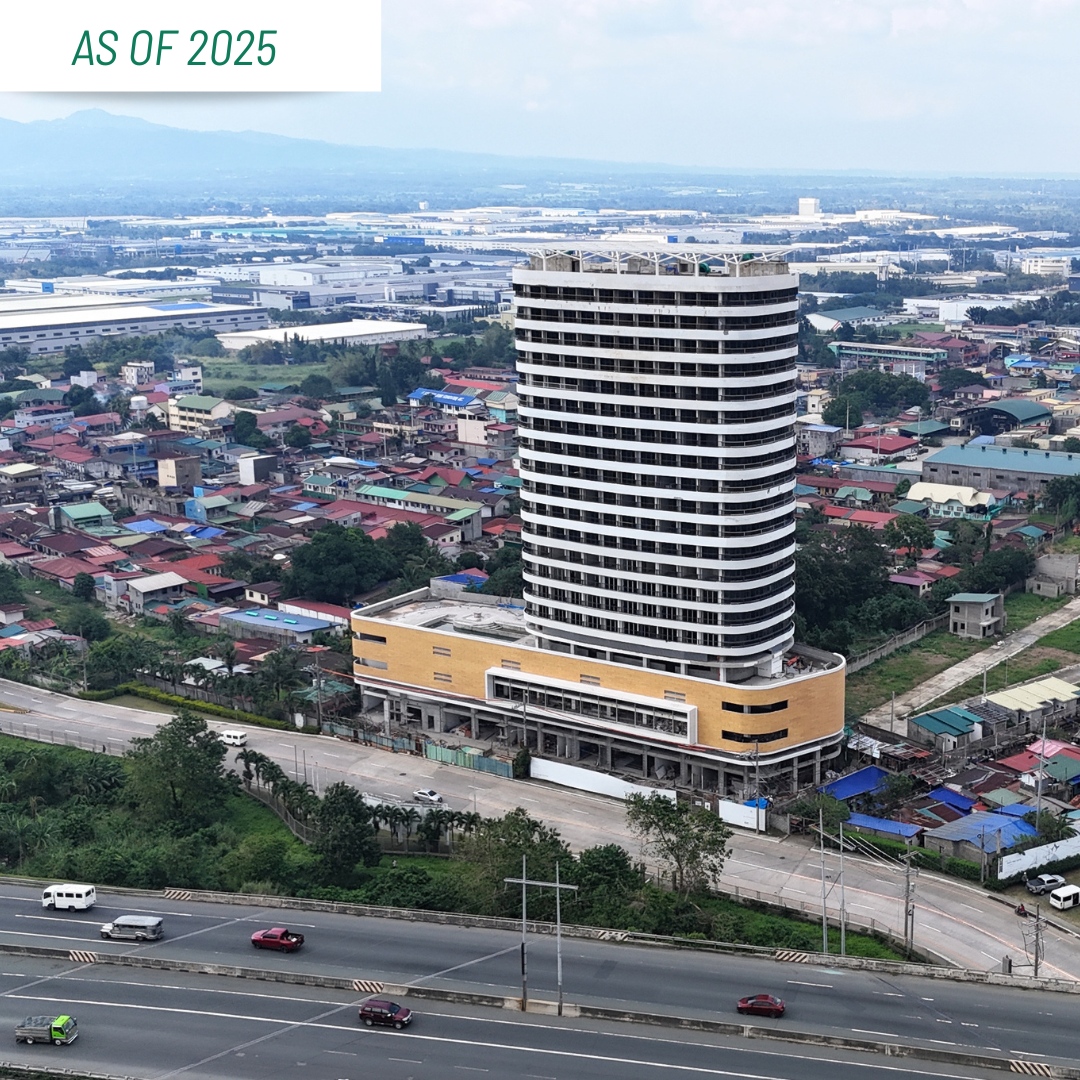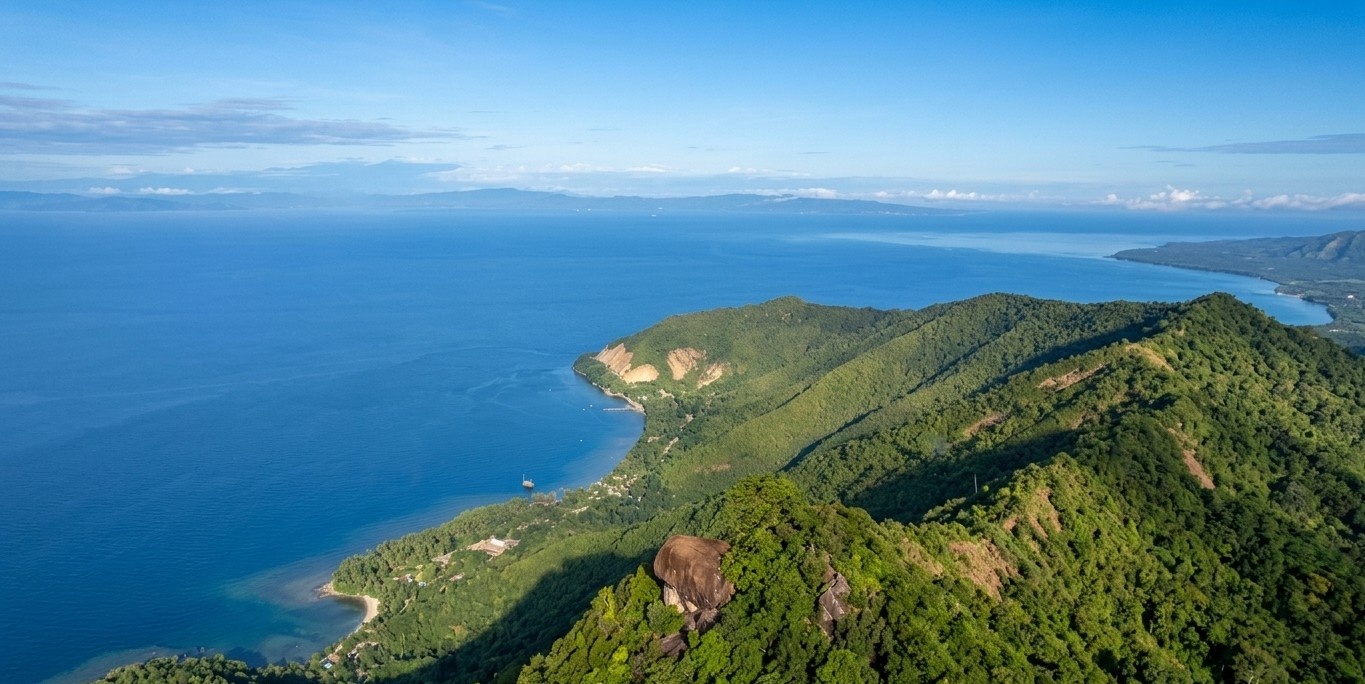
STO. TOMAS, BATANGAS — On May 16, 2026, a vision that began long before the first shovels broke ground will finally open its doors. For Architect Romolo V. Nati, founder and chairman of Italpinas Development Corporation (IDC), the grand inauguration of Miramonti Green Residences marks the end of a chapter shaped by doubt, disruption, and determination—and the beginning of what he believes will become “South Luzon’s historical landmark address.” The event, set against the backdrop of Mount Makiling, is both a ribbon-cutting and a personal triumph.
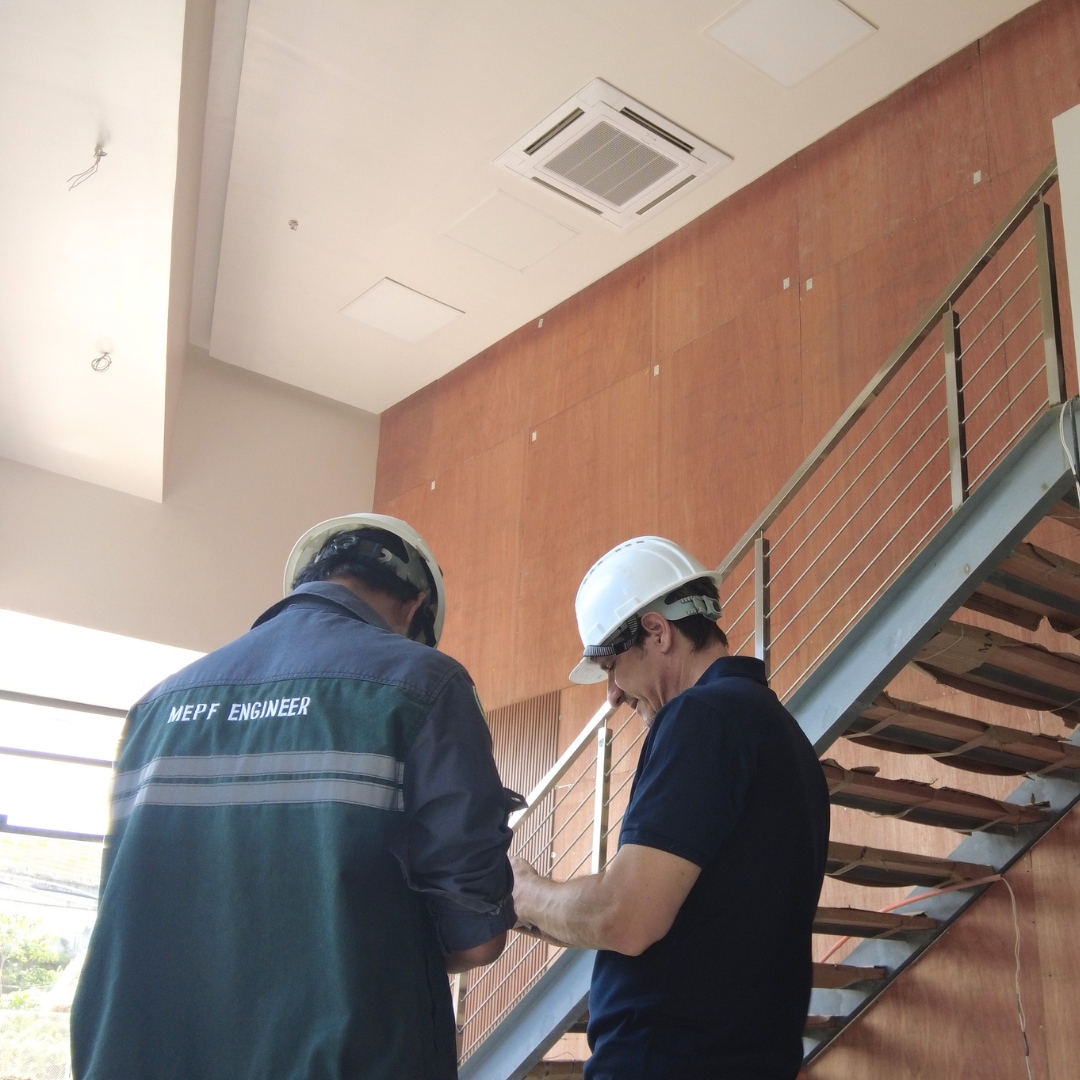
“Many years ago, Miramonti was only an idea, a vision shaped by countless meetings, long nights, difficult decisions due to COVID, and belief,” Nati wrote in an open invitation to the ceremony. “I still remember walking the site during its earliest days of construction, seeing nothing but soil and steel. There were a lot of challenges, sacrifices, and moments that tested my resolve as an architect as a CEO, but every obstacle only strengthened our commitment to create a sustainable landmark in Sto. Tomas, Batangas.” The message, unusually personal for a corporate executive, reveals the weight of a project that became inseparable from the man who designed it.
A Landmark Years in the Making
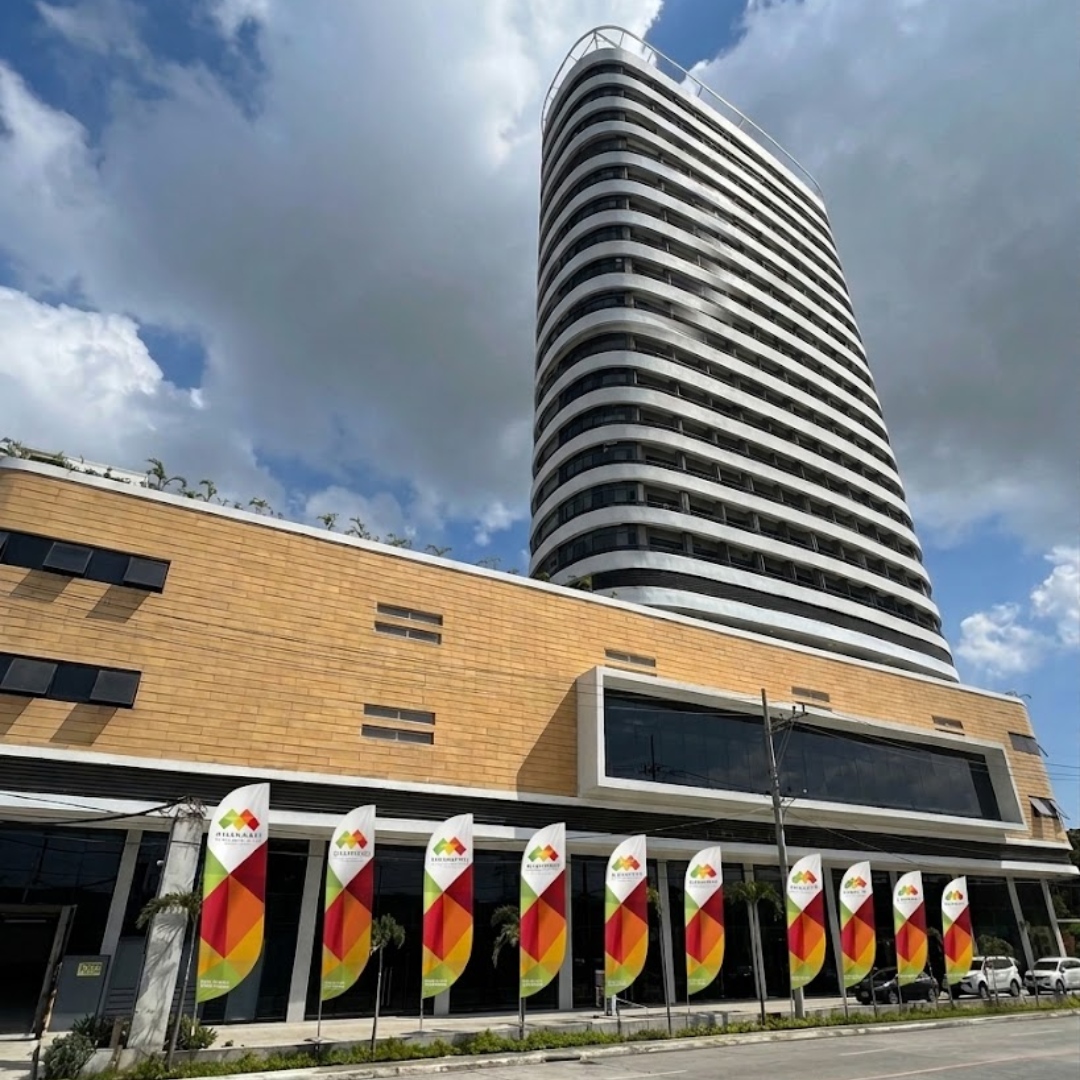
Miramonti Green Residences—its name drawn from the Italian phrase meaning "mountain views"—sits on a 2,057-square-meter commercial lot inside the Light Industry and Science Park III, a 124-hectare PEZA-accredited industrial estate that houses over thousands of workers. The Phase 1 tower, which forms the centerpiece of the May 16 inauguration, delivers 352 residential units, 20 commercial spaces, and 88 parking slots across 21 stories, all wrapped in a building envelope engineered to reduce energy consumption through passive cooling, external louvers, and natural cross-ventilation.
The building’s environmental performance is not a marketing claim but a certified reality. Miramonti holds EDGE certification from the International Finance Corporation, confirming substantial reductions in energy and water use compared to a standard building. A solar photovoltaic system powers shared amenities, lowering monthly association dues. A water recycling system cuts overall consumption. These features are invisible to the eye but palpable in the monthly utility bill—a quiet, compounding benefit that distinguishes Miramonti from conventional condominiums.
A Luzon Expansion Forged in Crisis
Miramonti represents IDC’s first major project outside its Mindanao base, where the company built its reputation on green towers in Cagayan de Oro. The decision to expand into Batangas was made years ago, but the execution fell squarely in the path of the COVID-19 pandemic. Nati alluded to “difficult decisions due to COVID,” a period when construction slowed, supply chains fractured, and the future of residential demand hung in limbo.
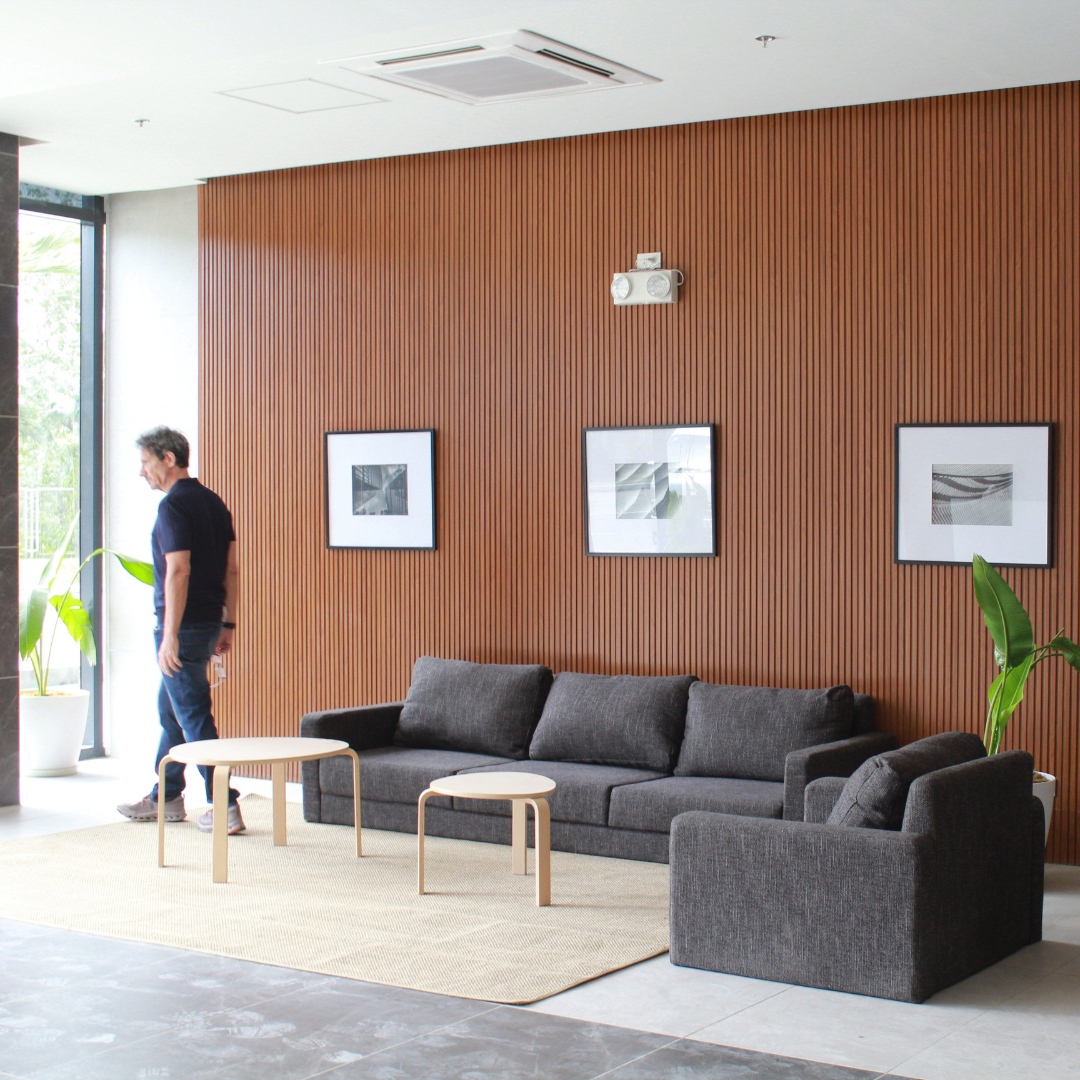
The project survived that gauntlet and, in doing so, proved that IDC’s sustainability-driven model could travel. Phase 1 delivers 352 residential units, 20 commercial spaces, and a full amenity deck—swimming pool, fitness gym, children’s playground, function rooms—all within a 24-hour secured environment. For the thousands of workers employed in the surrounding industrial parks, Miramonti offers a home minutes from their workplace, in a building designed to keep operating costs low. The inauguration on May 16, with its Tuscan-themed afternoon gathering, marks the transition of Miramonti from construction site to living community, and for Nati, the moment when soil and steel finally became a home.