A significant development in the Philippines' economic landscape has emerged with reports indicating that seven more countries have formally joined the "Luzon corridor pact." This expansion suggests a growing international commitment to enhancing trade, investment, and connectivity across the nation's most populous and economically vital island. While the immediate report from Inquirer.net does not detail the specific nations involved or the precise terms of their accession, the addition of multiple global partners underscores a strategic push to integrate Luzon more deeply into regional and global supply chains.
Infrastructure and Integration
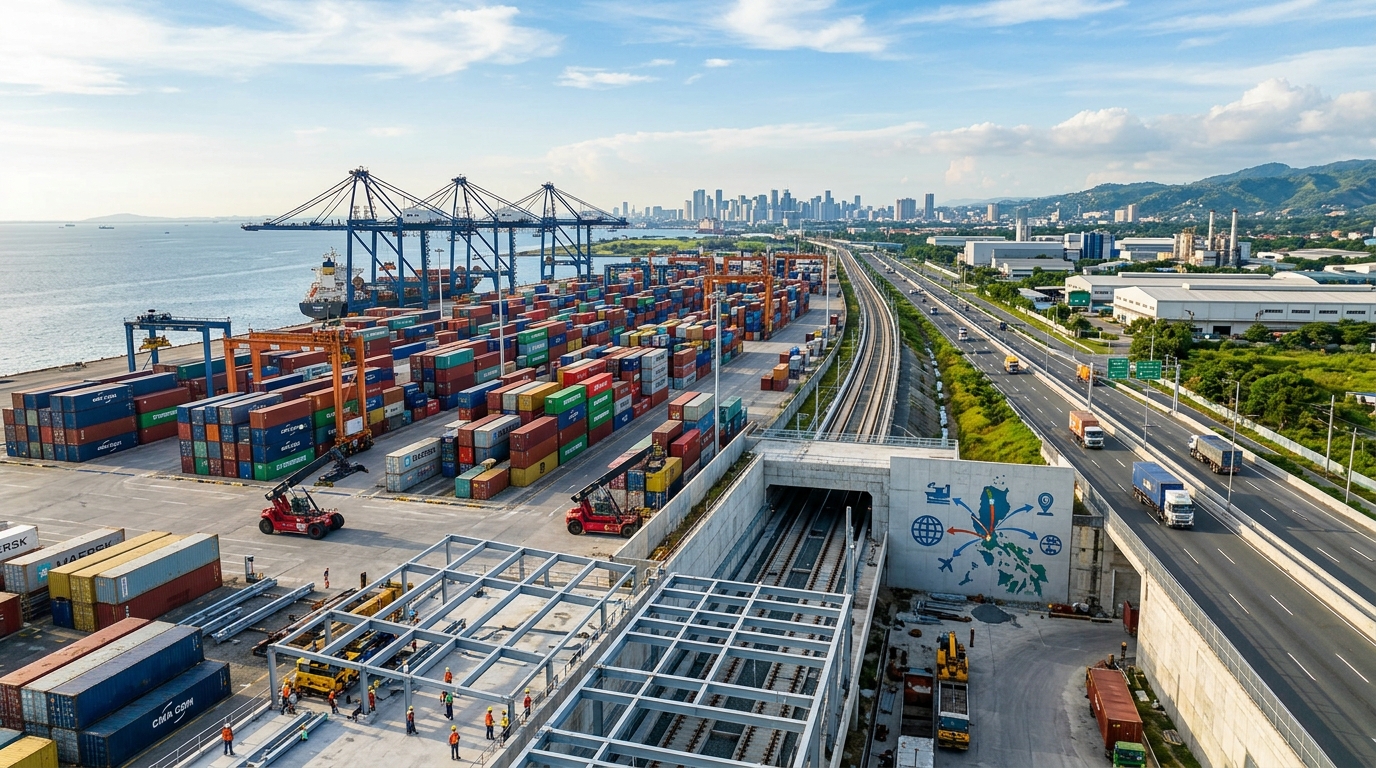
The Luzon corridor pact, at its core, is understood to be an initiative aimed at streamlining economic activities, improving logistical efficiency, and attracting foreign direct investment into the region. Such pacts typically involve agreements on infrastructure development, trade facilitation, and regulatory harmonization. The reported entry of seven new countries signifies a substantial broadening of this alliance, potentially unlocking new avenues for economic growth and collaboration across various sectors, from manufacturing and agriculture to services and digital industries.
Domestic Job Growth and Unified Families
For the Filipino people, this expansion carries profound implications. A robust and internationally supported Luzon corridor is expected to translate into job creation, particularly in construction, logistics, and export-oriented industries. Increased foreign investment often leads to new businesses and the expansion of existing ones, which can provide more diverse and stable employment options within the Philippines. For many Filipinos, the prospect of securing well-paying jobs at home could reduce the pressure to seek employment overseas, allowing families to remain united. Furthermore, enhanced economic activity in Luzon could lead to improved infrastructure, better public services, and overall economic stability. Families of Overseas Filipino Workers (OFWs) could benefit from a stronger domestic economy, potentially easing financial burdens and offering more opportunities for returning family members to reintegrate into the local workforce. This development positions Luzon as a critical hub for regional trade and investment, solidifying the Philippines' role in the global economy.
Governance, Transparency, and Equitable Prosperity
Filipinos, both at home and abroad, should closely monitor the unfolding details of this expanded pact. While the immediate benefits are promising, transparent implementation and effective governance will be crucial to ensure equitable distribution of economic gains. The focus will be on how these agreements translate into tangible projects, new businesses, and sustainable job opportunities. This initiative could represent a pivotal moment for the Philippine economy, offering a pathway to greater prosperity and reducing reliance on overseas labor for national development.