April 2026 — The culinary landscape of Bohol is undergoing a "Heritage Renaissance," where organic farms are becoming the primary source of innovation for the island's top restaurants. This movement emphasizes "Asin Tibuok" (heritage salt) and heirloom recipes, turning food into a vehicle for cultural preservation.
The "Rooted Flavor" Narrative
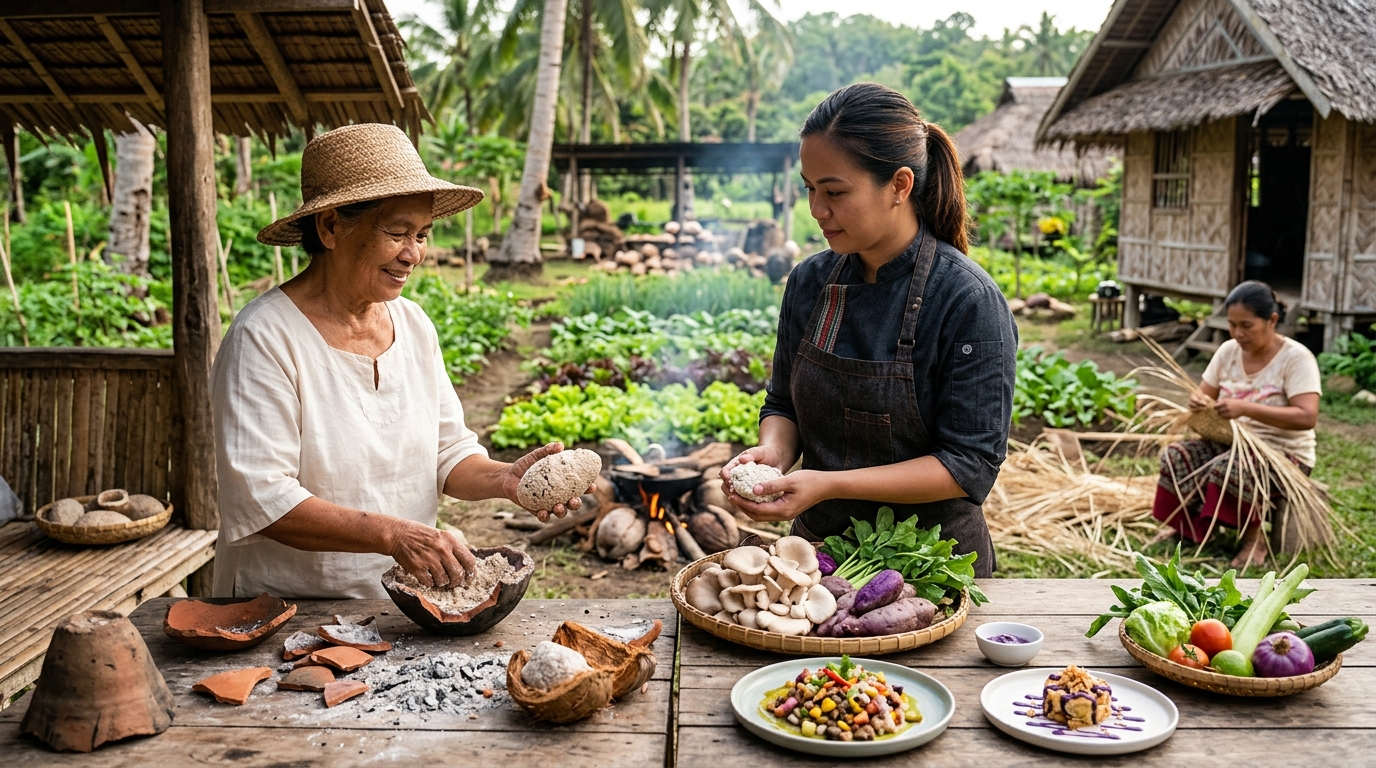
For the Boholano culinary scene, the story is about returning to the source through organic and handmade production. Iconic products like the "Asin Tibuok"—Bohol’s rare, dinosaur-egg-shaped heritage salt—are no longer just artifacts; they are essential ingredients in the island's modern kitchens. Restaurants are now designing entire menus around what is harvested in their own backyards, from oyster mushrooms in Corella to fresh lettuce in Panglao. For the 2026 diner, a meal in Bohol is an education in biodiversity and the resilience of traditional salt-making and weaving.
Agri-Tourism and Livelihood Integration
This movement is driving a revitalization of the local agrarian economy by turning farms into nature-themed family attractions. Destinations like South Farms are functioning as "Artisans' Villages," where pottery, raffia weaving, and virgin coconut oil production provide sustainable livelihoods for local communities. This integration ensures that the economic benefits of the tourism boom are distributed directly to the craftsmen and farmers. Visitors are encouraged to participate in the harvest, fostering a deeper respect for the labor involved in "slow food" production.
The "Siakoy and Sisig" Innovation
Chefs across the island are now elevating humble street foods and traditional recipes into sophisticated, health-conscious dishes. Traditional mushroom sisig and "Siakoy" (braised dough) are being reimagined with organic twists, paired with local delicacies like Corella ube shakes. This "Culinary Adventure" trail is attracting a new demographic of travelers who prioritize "food with a story" over generic resort buffets. By late 2026, Bohol aims to establish its own "Heritage Food Trust" to protect these heirloom recipes and ensure their survival for future generations.