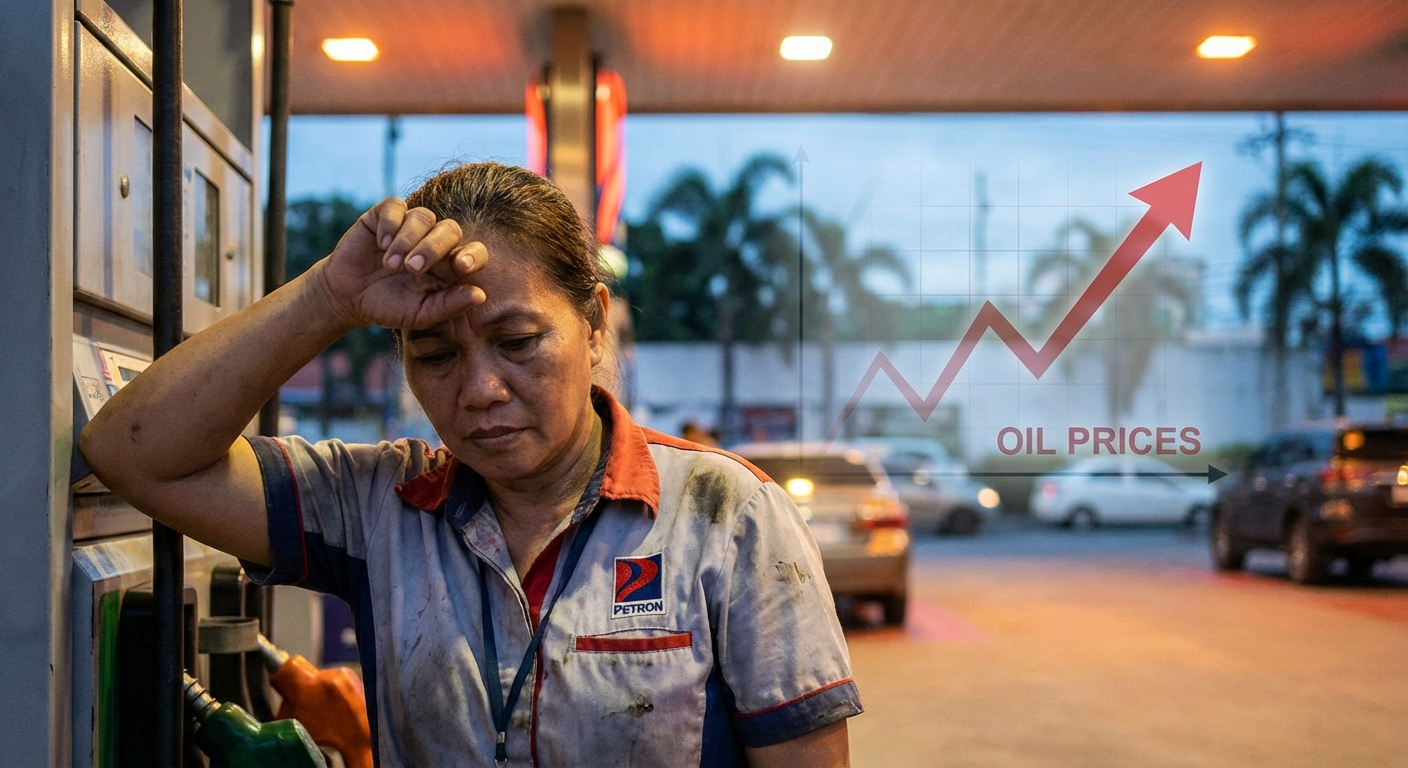
The Philippines faces a unique economic challenge as its bonds are now considered the most vulnerable in Asia to fluctuations in oil prices, according to a recent report. This poses a significant risk to the nation's financial stability, especially when compared to countries like China, which are better shielded from these volatile energy costs. The report highlights the Philippines' reliance on oil imports, making it susceptible to global price surges. This directly impacts inflation, potentially eroding the purchasing power of Filipinos both at home and abroad. For Overseas Filipino Workers (OFWs), this could translate to diminished value of remittances sent back to their families, as higher living costs eat into their earnings. Why It Matters Increased oil prices can lead to higher transportation costs, increased prices of basic goods, and overall inflation. These factors can significantly affect the cost of living for Filipinos, especially those with limited income. Moreover, a weakened Philippine economy could mean fewer job opportunities and potentially lower wages. This economic strain can also impact government spending on essential services like healthcare and education, further affecting the lives of ordinary Filipinos. What Filipinos Need to Know Filipinos should be prepared for potential increases in the prices of goods and services. OFWs should consider adjusting their remittance strategies to account for potential currency fluctuations and increased living costs for their families back home. Furthermore, Filipinos should stay informed about government policies aimed at mitigating the impact of oil price volatility and advocate for sustainable solutions to reduce reliance on imported oil. Exploring alternative energy sources and promoting energy efficiency can help lessen the Philippines' vulnerability to these global market fluctuations.