Learning to Lead Early
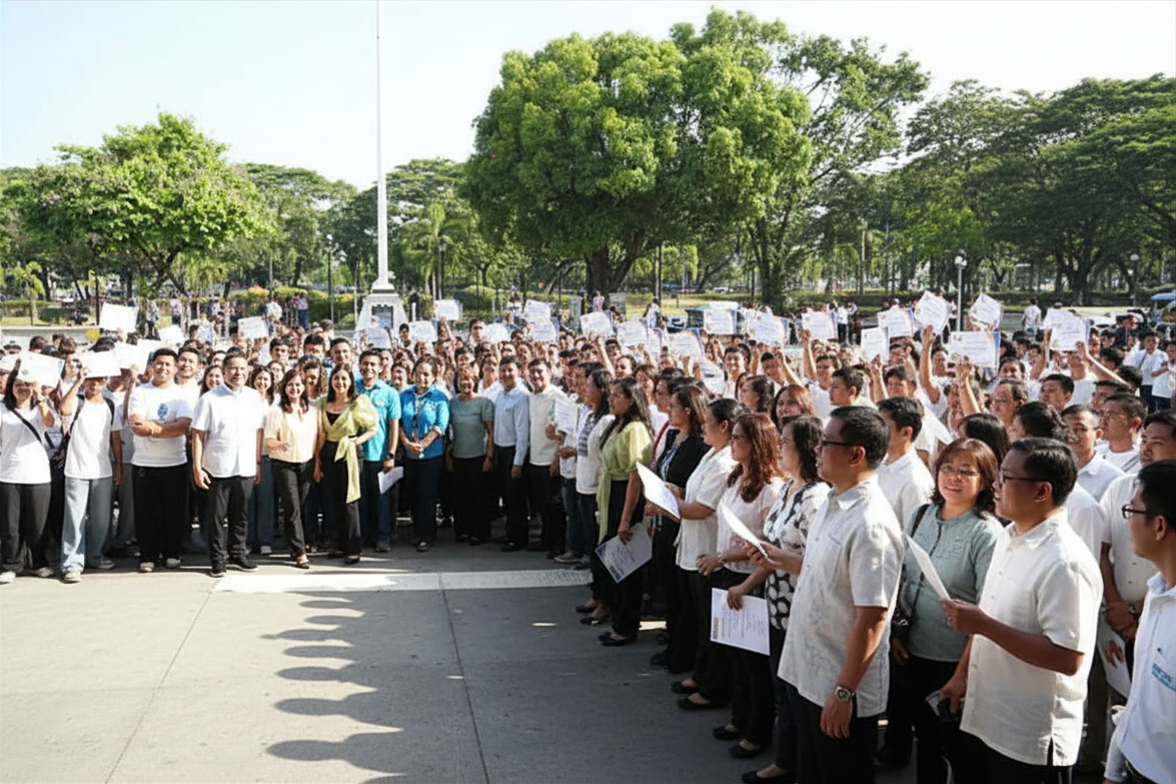
Leadership is not something that suddenly appears in adulthood. It develops gradually through experience, responsibility, and opportunities to participate in meaningful activities. School-based learner government programs provide students with valuable chances to organize events, represent their classmates, and contribute ideas that improve school life. Through these roles, young people gain firsthand experience in teamwork, communication, and decision-making. They also learn how organizations function and how collective efforts can achieve common goals. These experiences help build confidence and prepare students to take on greater responsibilities in the future, both within their communities and in their professional lives.
Small Responsibilities, Big Lessons
Student leaders often handle projects that may appear simple but require significant effort and commitment. Organizing events, coordinating activities, managing schedules, and communicating with peers all demand planning, cooperation, and problem-solving skills. These responsibilities teach practical lessons that extend far beyond the classroom. Students learn how to manage challenges, work with diverse groups, and remain accountable for their decisions. Many successful professionals first encountered leadership opportunities through school organizations that encouraged initiative and responsibility. By taking on these roles at an early age, students develop skills and habits that continue to benefit them throughout their lives.
Building a Stronger Community
Communities become stronger when young people feel engaged, valued, and connected to the people around them. Leadership programs help students understand that their voices matter and that their actions can make a positive difference. The continued emphasis on learner government initiatives in Ozamiz schools reflects an investment in civic participation and personal growth. While these programs may not always receive widespread attention, their impact can be significant and long-lasting. They help develop future leaders who understand the importance of collaboration, public service, and community involvement, creating a generation better prepared to contribute to society in meaningful ways.