ILOILO CITY — Mayor Raisa Treñas took to social media on June 18, 2026 to celebrate Sustainable Gastronomy Day, reaffirming Iloilo City’s identity as the Philippines’ first UNESCO Creative City of Gastronomy. Her message cast food as far more than culture, framing it as livelihood, community, and a commitment to sustainability.
A Mayor’s Reflection on Food Heritage
Treñas highlighted the vibrant local markets, fresh ingredients, and culinary traditions that define daily life in Iloilo. Her post underscored that celebrating heritage also means supporting the farmers, fisherfolk, and food entrepreneurs who feed the community. The statement was not merely ceremonial; it served as a public reminder of the city’s ongoing responsibility.
The mayor’s words echo the global theme for 2026, “Celebrating Food Heritage,” which emphasizes preserving local culinary traditions and native ingredients. For Iloilo, this preservation is both a cultural mandate and an economic strategy. By keeping heirloom recipes and indigenous produce on the table, the city sustains an entire ecosystem of small‑scale producers.
UNESCO Recognition Rooted in Authenticity
Iloilo City earned its UNESCO Creative City of Gastronomy designation in late 2023, a first for the Philippines. The title acknowledges how deeply woven food is into the identity and history of the Ilonggo people. It is a recognition built on bustling public markets, generations‑old recipes, and a community that treats cooking as a love language.
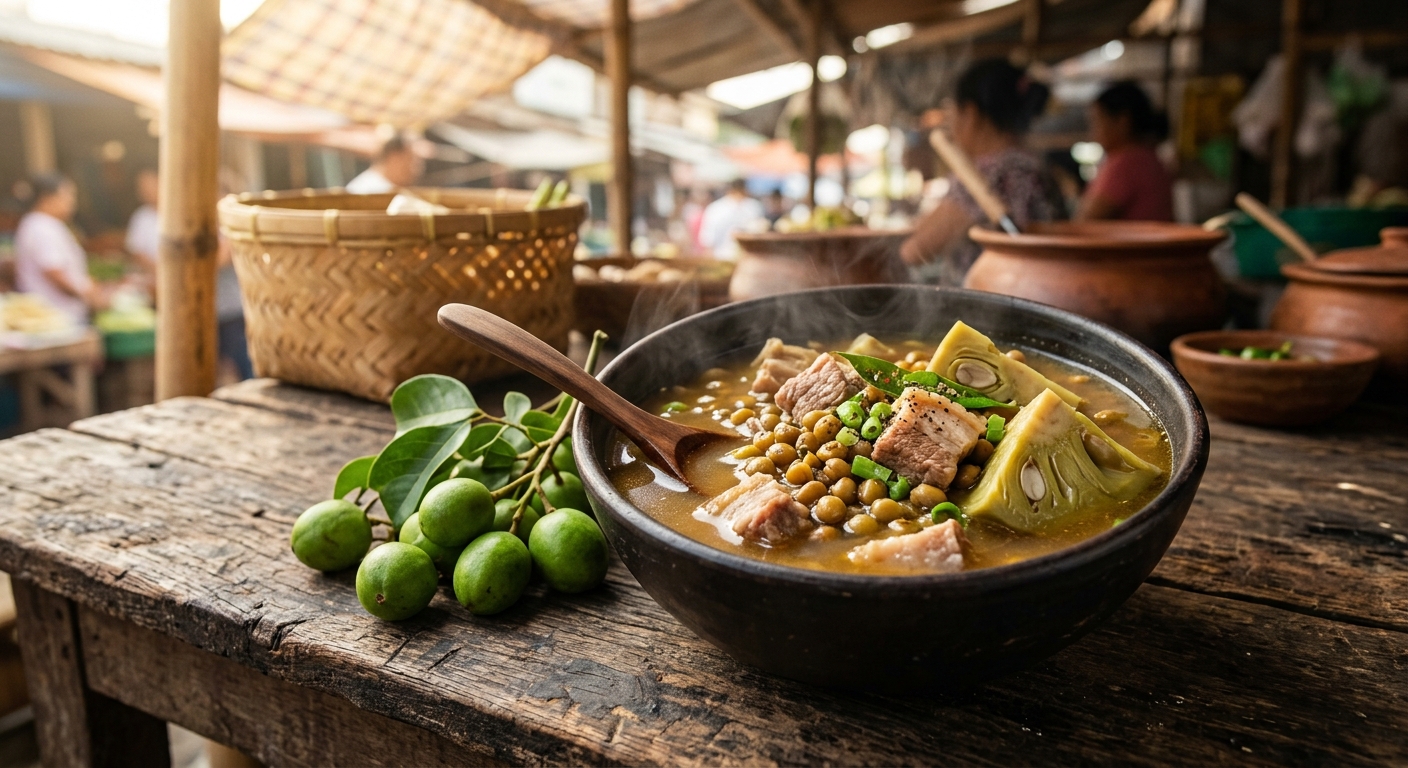
The cuisine itself tells a story of local agriculture and global influence. Dishes like La Paz Batchoy, a hearty noodle soup born in the city’s markets, and Pancit Molo, a wonton‑filled broth reflecting Chinese heritage, showcase centuries of cultural exchange. KBL, a rustic soup of pigeon peas, pork, and jackfruit, champions an indigenous legume that enriches the soil.
Indigenous Ingredients as Pillars of Sustainability
Iloilo’s flavor profile relies on endemic resources that set it apart from other Philippine regions. Instead of calamansi or tamarind, Ilonggos often sour their broths with batuan, a native green fruit found in Visayan forests. The labog plant adds both a distinctive tang and visual color to local dishes.
These ingredients are not just culinary quirks; they represent a model of low‑impact, place‑based eating. Batuan trees grow wild, requiring minimal agricultural intervention. By centering its gastronomy on what the land naturally provides, Iloilo reduces the carbon footprint of its food system and protects biodiversity.
Dishes That Tell a Story of Place
Chicken Binakol, traditionally cooked inside bambootubes with sweet coconut water, exemplifies how cooking methods themselves can be sustainable. The dish uses renewable materials and minimal fuel, a practice rooted in pre‑colonial ingenuity. Laswa, a vegetable soup assembled from whatever backyard produce and fresh seafood is available, champions zero‑waste principles long before the term existed.
These dishes are not museum pieces; they are eaten daily in homes, carinderias, and restaurants across the city. Their continued popularity ensures that farmers growing native squash, okra, and eggplant have steady markets. The link between plate and producer remains short and transparent.
Preserving Recipes for Future Generations
To cement its UNESCO status, Iloilo has invested in culinary documentation. Cookbooks like “Flavors of Iloilo” and “Gastronomic Expressions of Iloilo” capture not just recipes but the stories of the women, vendors, and fisherfolk who keep traditions alive. These publications serve as cultural archives and educational tools.
The global observance of Sustainable Gastronomy Day, established by the UN in 2017, aligns perfectly with these local efforts. The 2026 Sustainable Gastronomy Week, running through June 22, also highlights the International Year of the Woman Farmer. Iloilo’s food story, shaped significantly by women market vendors and home cooks, fits squarely within this worldwide acknowledgment.