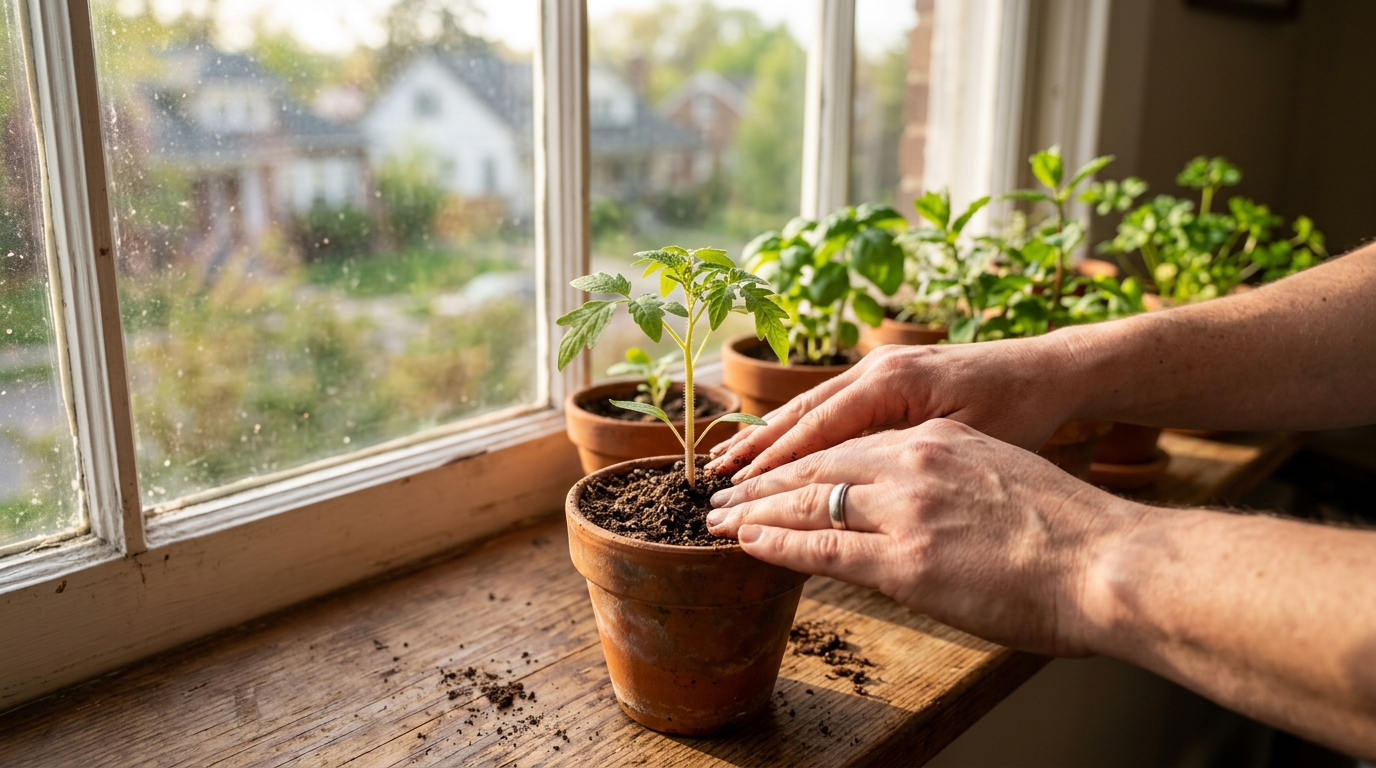
ILOILO CITY — The Office of the City Agriculturist conducted a training on urban and peri‑urban farming on May 28, 2026, equipping Ilonggo communities with practical skills to grow food in household spaces. The initiative aims to help families maximize limited areas for planting, improve household nutrition, and contribute to the city's greening efforts. It also highlights farming as a direct way to reduce food expenses while helping lower the heat index in dense urban areas.
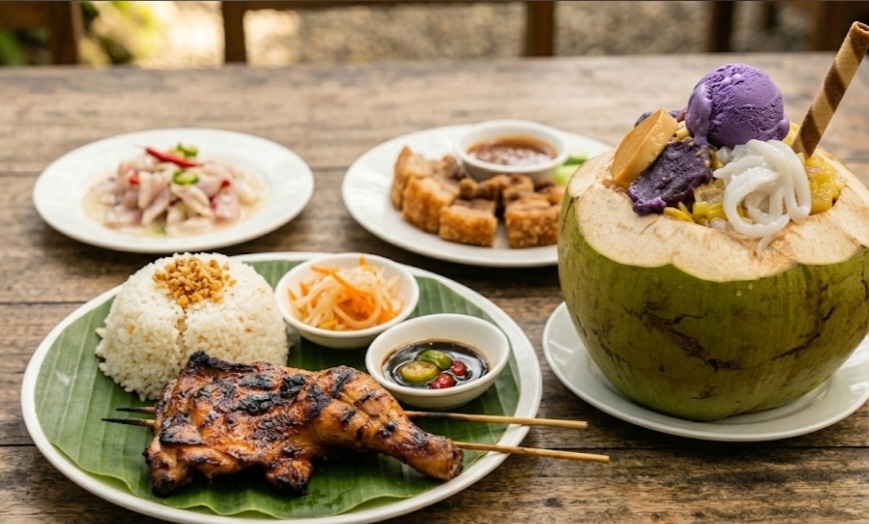
The training aligns with Iloilo's identity as a UNESCO Creative City of Gastronomy. A city celebrated for its food culture must also nurture the sources of its ingredients. By teaching residents to grow vegetables, herbs, and greens at home, the City Agriculturist is strengthening the farm‑to‑table chain that defines Ilonggo cuisine. The program ensures that the flavors of Iloilo begin not just in restaurant kitchens but in backyards, rooftops, and vacant lots.
From Household Plots to the Ilonggo Plate
Urban farming shortens the distance between harvest and cooking. A family that grows basil, tomatoes, or malunggay steps outside to pick ingredients rather than traveling to a market. The training encourages households to treat available space as productive land, turning idle corners into sources of fresh food.
For Iloilo's food tourism sector, this grassroots agricultural movement adds depth to the city's gastronomic narrative. Visitors who come for La Paz batchoy and pancit molo increasingly want to understand where local ingredients originate. A city where residents grow their own food is a city that lives its culinary identity daily, not merely during festivals. The training also complements the city's 100 communal gardens program, creating layers of food production from the barangay down to the household.
A Cooler, Greener, More Flavorful City
Beyond nutrition and gastronomy, the urban farming initiative serves an environmental function. Plants absorb heat, increase oxygen levels, and reduce the urban heat island effect. The City Agriculturist noted that widespread household planting contributes to cooling the city—a benefit that extends to tourists walking the Esplanade, dining at open‑air restaurants, and attending outdoor festivals.
As Iloilo continues to attract visitors for its food, heritage, and MICE events, the urban farming program quietly reinforces the city's green brand. It demonstrates that a highly urbanized city can still grow its own food, beautify its neighborhoods, and offer visitors an authentic connection to the land that feeds them.