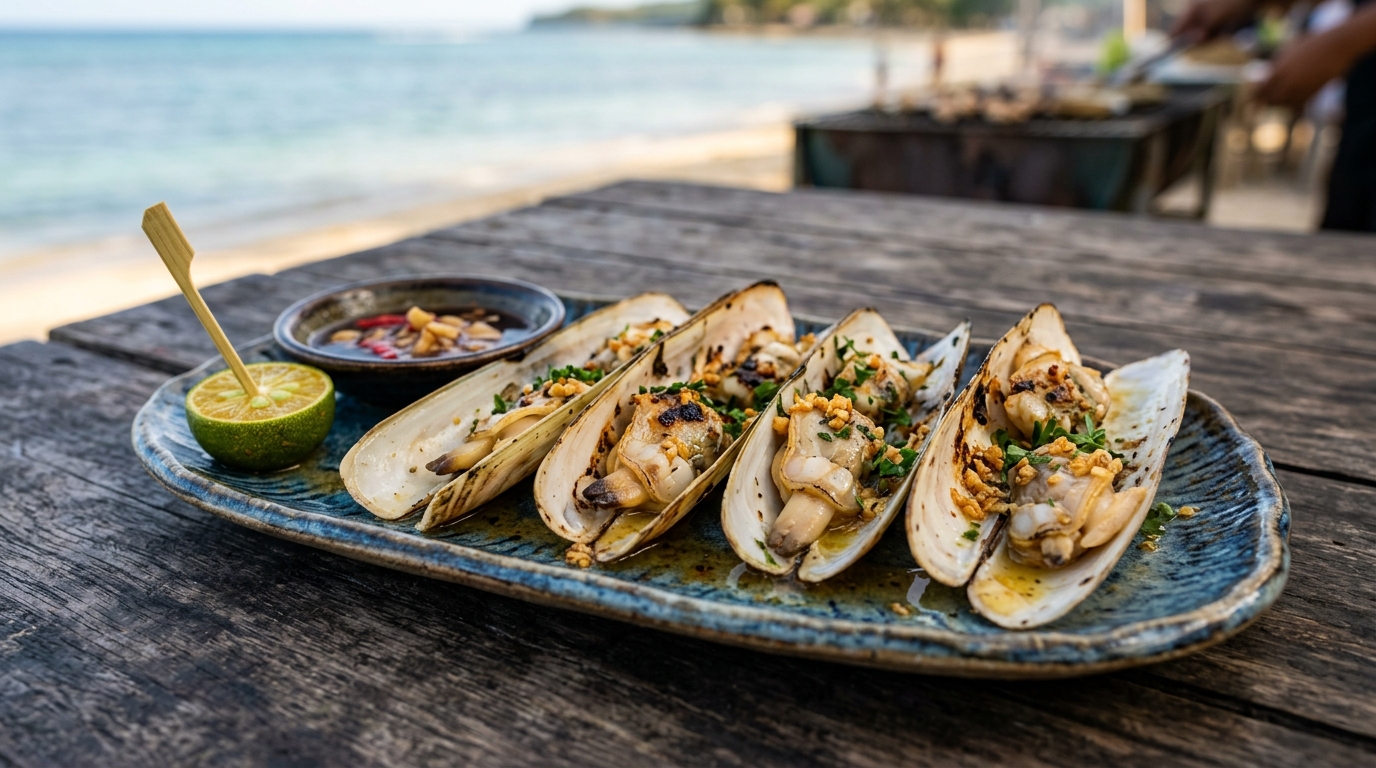
ILOILO CITY — Beneath the sandy‑muddy bottoms of the Visayan Sea hides a delicacy so elusive that it nearly vanished from Filipino tables. The diwal, or angel wing clam, is a rare bivalve prized for its sweet, tender meat and strikingly elongated shell. For seafood lovers, tasting this seasonal treasure is a pilgrimage, and Iloilo is its sacred ground.
The diwal (Pholas orientalis) derives its name from the Hiligaynon word for "tongue," a nod to the fleshy protrusion that extends beyond its fragile shell. The clam burrows up to two feet deep in intertidal zones, making harvesting an arduous, labor‑intensive ritual that demands skill and patience. This difficulty only adds to its mystique and value.
A Delicacy Saved from the Brink
The diwal's story is one of near loss and remarkable recover. Decades of overharvesting pushed the species to the edge of extinction, prompting strict seasonal closures and regulated harvesting. Today, the population is rebounding, thanks to judicious practices that allow the clams to spawn and replenish.
The closed season typically runs from May to December, protecting the clams during their reproductive months. When the season opens, usually from January to April, the meat is fat, succulent, and inflated when cooked. This careful stewardship ensures that future generations can continue to savor this Ilonggo treasure.
A UNESCO-Recognized Culinary Icon
Iloilo City's designation as a UNESCO Creative City of Gastronomy celebrates its rich culinary heritage, and the diwal is a shining star of that identity. The clam embodies the region's deep connection to its waters and its mastery of simple, respectful seafood preparation. It is a taste of place, impossible to replicate elsewhere.
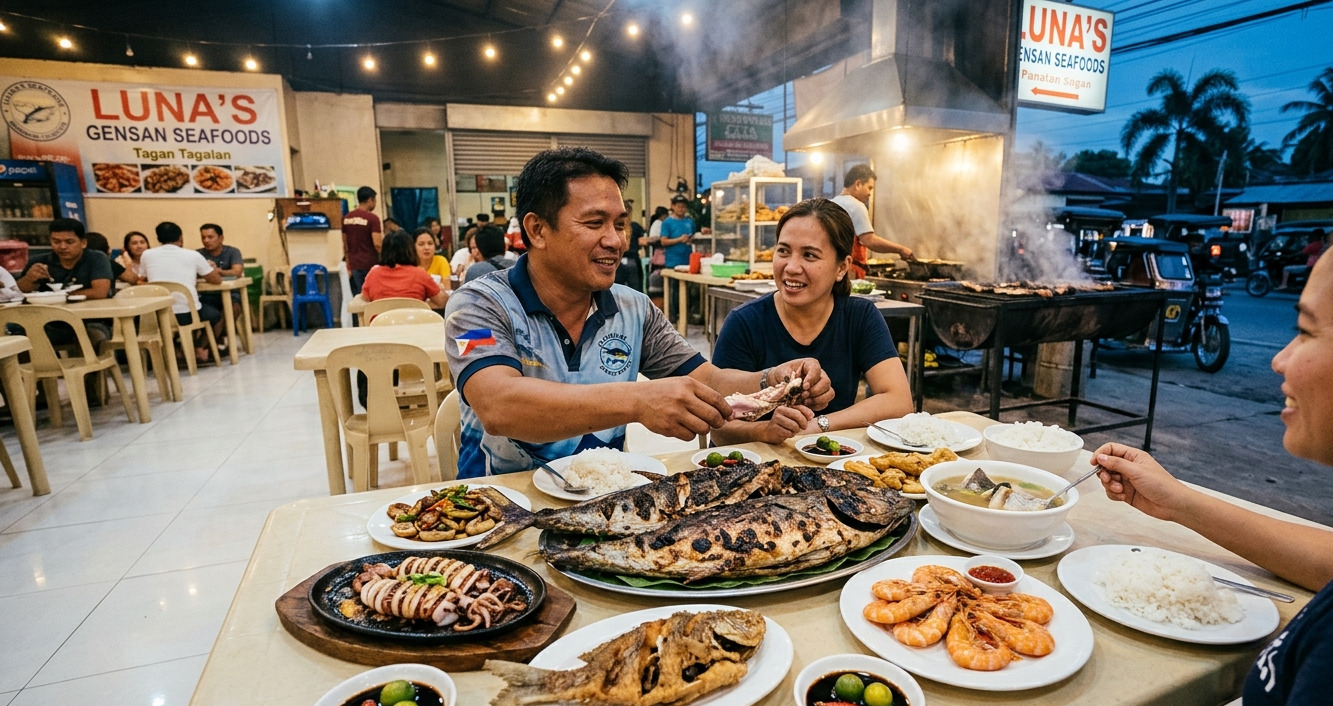
The most popular way to enjoy diwal is grilled, allowing its natural sweetness to shine. It is also prepared as kinilaw, steamed, or in soup. Regardless of the method, the clam is best enjoyed within hours of harvest, ensuring a fresh, briny flavor that captures the essence of the Visayan Sea.
Where to Find the Freshest Catch
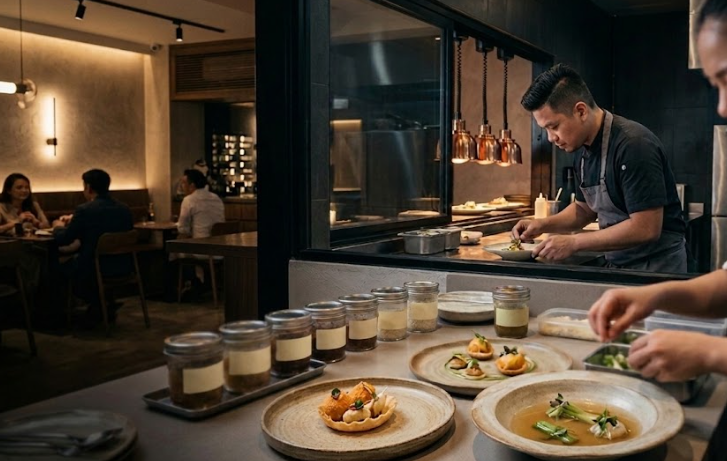
Tatoy's Manokan and Seafoods, a household name with multiple branches, is a top destination for grilled diwal and diwal soup. Breakthrough Restaurant in Villa Arevalo offers a beachside setting where the clam is served crispy and fresh. For a modern take, Freska presents the diwal alongside other Ilonggo classics.
These establishments source their clams directly from local waters, often from the Gigantes Islands, where the diwal thrives. Dining on diwal in Iloilo is an experience that connects you to the rhythm of the tides. It is a reminder that the most extraordinary flavors often come from the simplest origins, born of patience and profound respect for the sea.