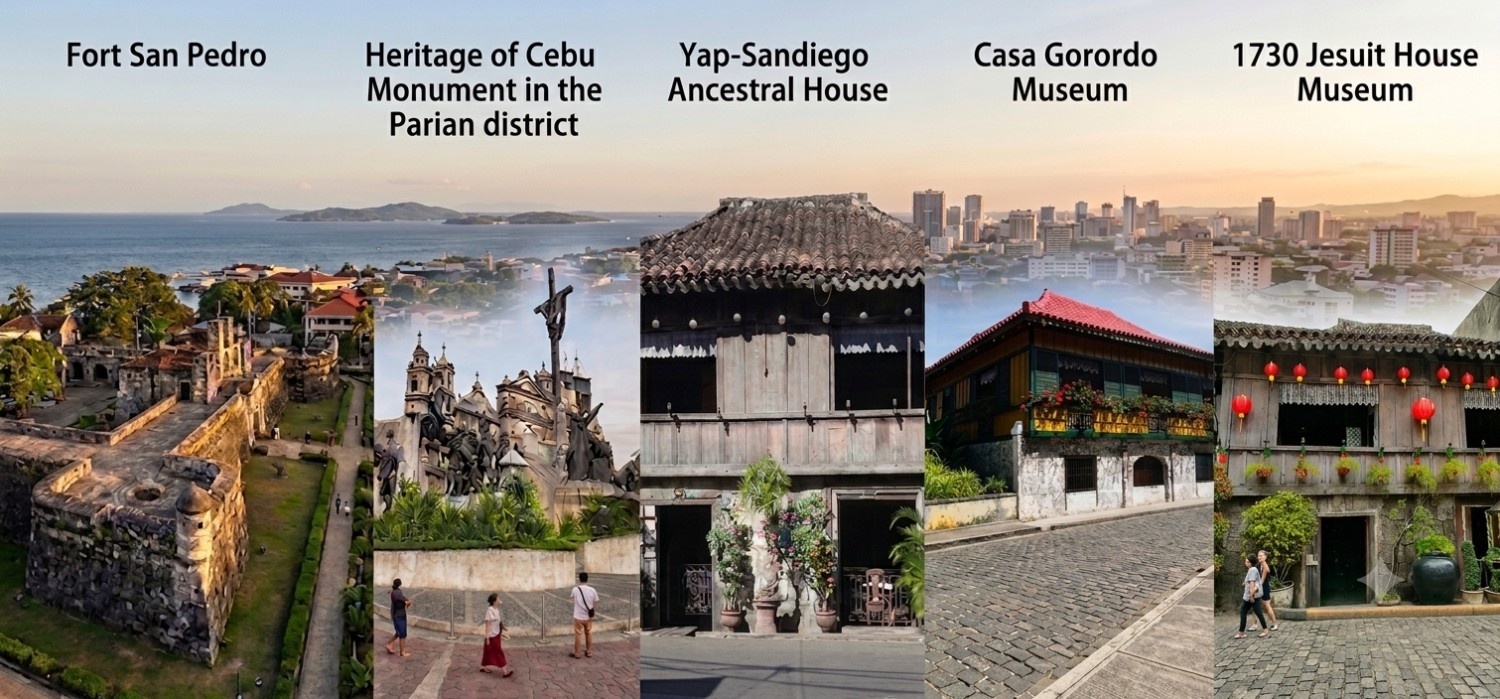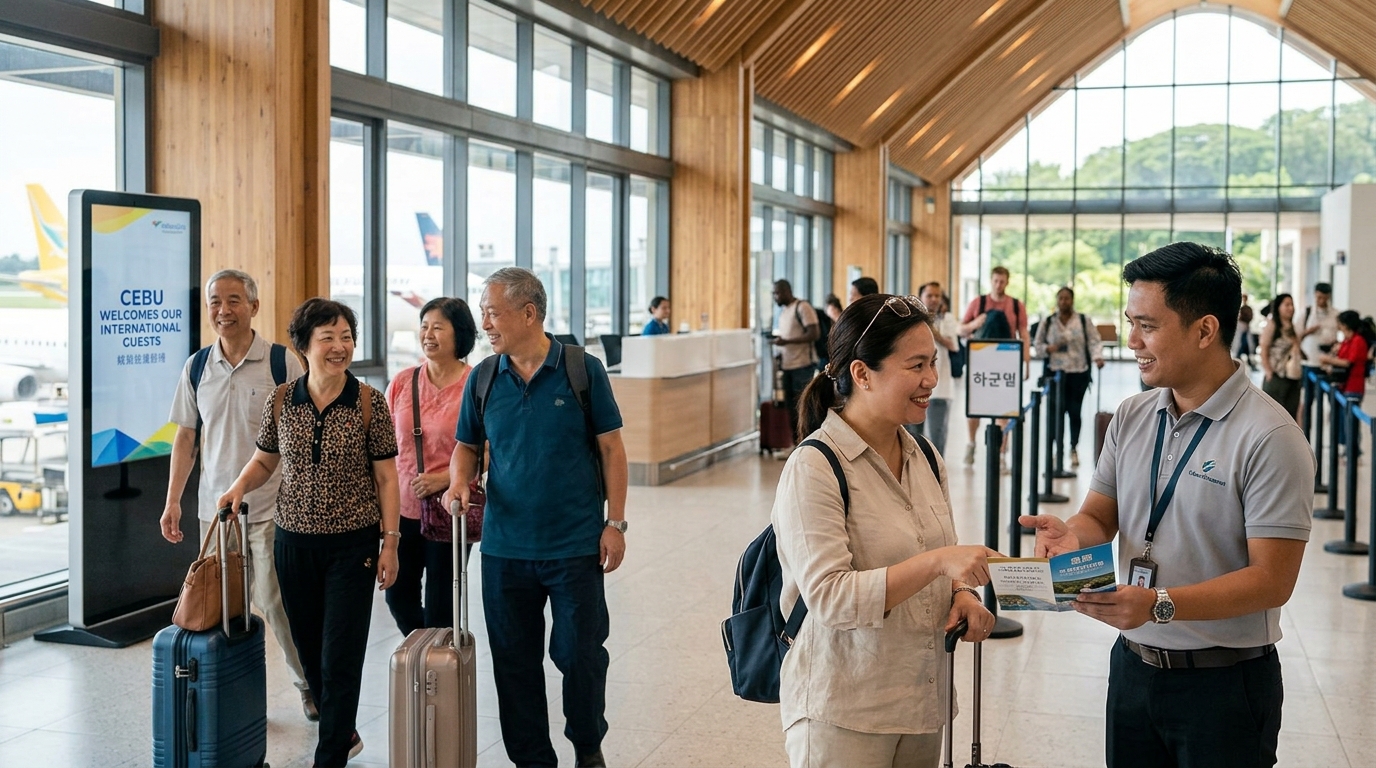
Cebu’s tourism landscape is witnessing a massive demographic realignment that is redefining the local hospitality market. On April 19, 2026, the latest Q1 performance data revealed that Philippine tourist arrivals have grown by 10.4%. Most notably for Cebu, a significant influx of Chinese visitors is now successfully offsetting a 30% decline in the traditional South Korean market, a trend that has forced local tour operators to rapidly adapt their languages and menus.
The Growth Driver
The growth in the first three months of 2026 marks a significant recovery for the tourism sector, which contributed 8.9% to the national GDP in 2024. In Cebu, this momentum is being sustained through aggressive "business-to-business" (B2B) meetings with direct international buyers and tour operators. Provincial officials recently held over 120 meetings with agencies from Spain, Portugal, and Poland to further diversify the city’s nature-based tourism appeal. By moving away from general group tours toward specialized direct talks, the Province aims to reclaim its spot on the global map after being previously overshadowed by regional competitors like Vietnam.
Offsetting the Decline
Cebu’s traditional reliance on the South Korean market faced a major challenge this year as arrivals from the region dropped by an estimated 30%. However, the timely return of Chinese travelers has provided a critical lifeline for local hotels and resorts. This demographic shift is supported by the implementation of e-Visas for China, which DOT officials described as a "game changer" for boosting international arrivals. In response, several Cebu-based establishments are now prioritizing cultural authenticity and facilities designed to accommodate varied international palettes, including new options for Muslim travelers.
Infrastructure and Regional Connectivity
The surge in visitors is also being fueled by the CEB Connects program at Mactan-Cebu International Airport (MCIA), which has streamlined domestic-to-domestic transfer times to just 35 minutes. This efficiency allows travelers to easily navigate the islands, supporting the sustainable growth of regional tourism beyond the city center. Furthermore, the construction of facilities like the Mactan Expo—Megaworld’s first stand-alone convention center—is positioning Cebu as a premier MICE (Meetings, Incentives, Conferences, and Exhibitions) destination. These infrastructure leaps ensure that the current 10.4% growth rate can be sustained through improved visitor experiences and smoother logistics.