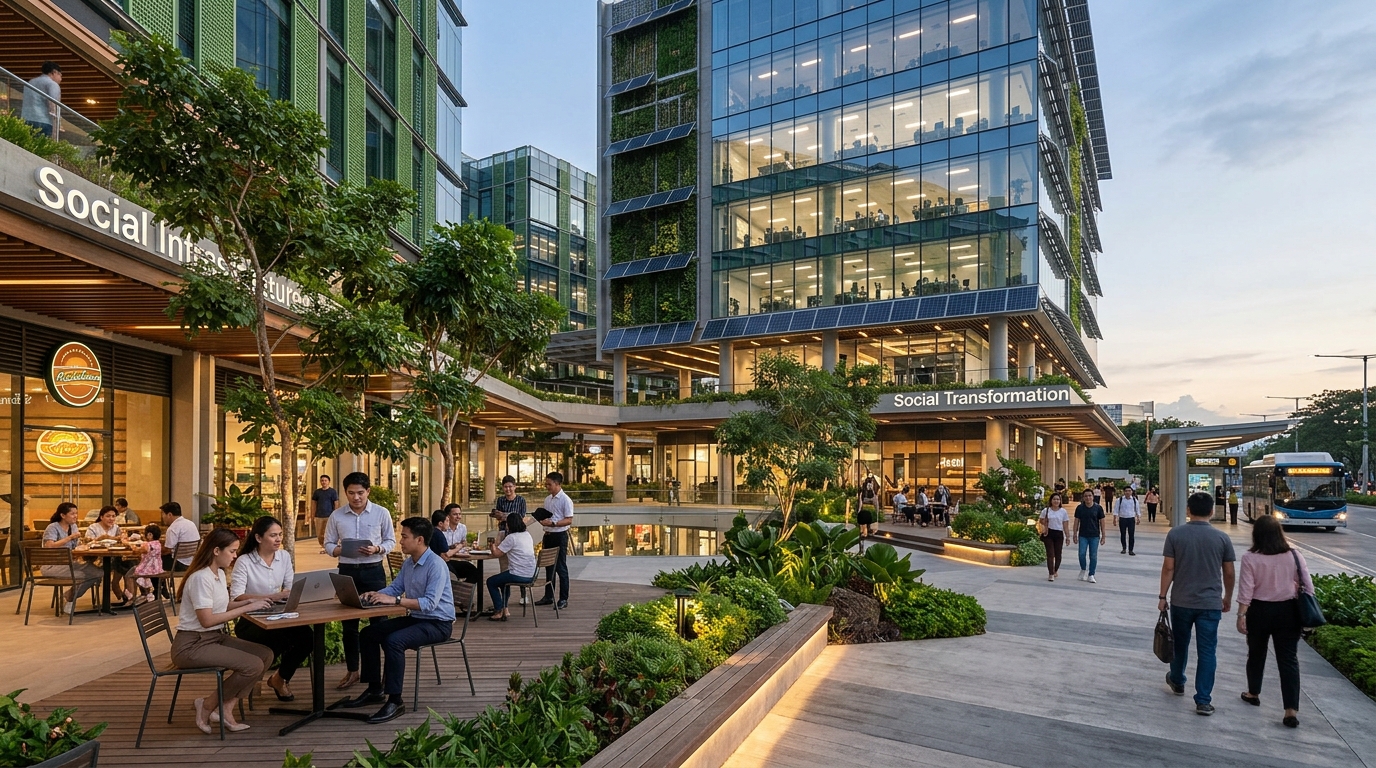
While Cebu’s real estate market remains resilient, as of April 2026, Ayala Land Inc. (ALI) has signaled a massive strategic shift toward "Social Infrastructure" and leasing-led growth. This 2026 initiative involves a P200-billion nationwide expansion with Cebu as its central provincial hub, focusing on upgrading existing assets into lifestyle and experiential centers. This week, the company reported that Ayala Center Cebu has completed its "Social Transformation," moving away from being a purely retail space to a multi-use hub for multinational firms and local dining pioneers. It is a high-fidelity look at the future of the city, where office, retail, and lifestyle spaces are merged to create a more stable and recurring income model for the region’s developers.
Building the Hybrid Future of Work and Play
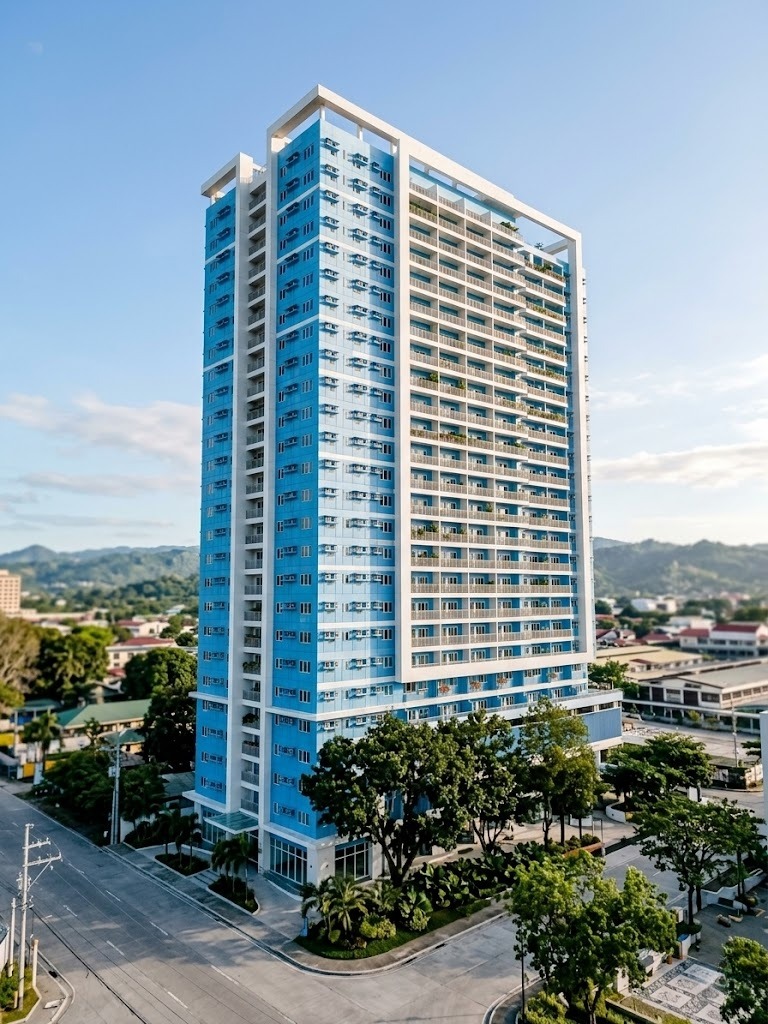
The 2026 identity of the Cebu property market is defined by "Deliberate Strategy," where developers are prioritizing hybrid-ready office designs and wellness-focused environments over aggressive residential sales. As of late April, ALI has confirmed the delivery of over 70,000 square meters of new office space in Cebu specifically designed for multinational BPO firms that require high-fidelity, flexible layouts. This week, industry analysts are noting a shift in demand toward "Amenity-Rich Communities" that allow employees to live, work, and dine within a single, secure ecosystem. It is a tactical move that effectively addresses the needs of a modern workforce that values convenience and mental health as much as professional productivity.
The Resilience of the Leasing Model
What makes this real estate trend significant in 2026 is the focus on stability amid global economic uncertainties. As of April 2026, the vacancy rate for premium office assets in Cebu has dropped significantly, driven by an 87% leasing take-up rate as firms migrate to the city’s newest developments. This month, the "New Wave" growth centers are leveraging the city’s position as a regional economic powerhouse, attracting foreign direct investment through diversified property types. It provides a unique, high-energy environment for investors who are looking for predictable growth and stable assets rather than the high-volatility residential flipping of the past decade.
A Sustainable and Smart Urban Grid
As of April 25, 2026, Cebu’s real estate leaders have committed to "Eco-Conscious Integration," using sustainable materials and energy-efficient systems to increase the long-term value of their portfolios. Recent reports suggest that properties designed with these "Green Features" are seeing higher rental yields and attracting more prestigious tenants compared to traditional builds. This week, the city’s property landscape is being praised for its rapid adoption of digital property-buying tools, streamlining the decision-making process for both local and foreign buyers. For any investor looking at Cebu this April, the move toward "Social Infrastructure" is the definitive proof that the city is evolving into a more mature and resilient global destination.