



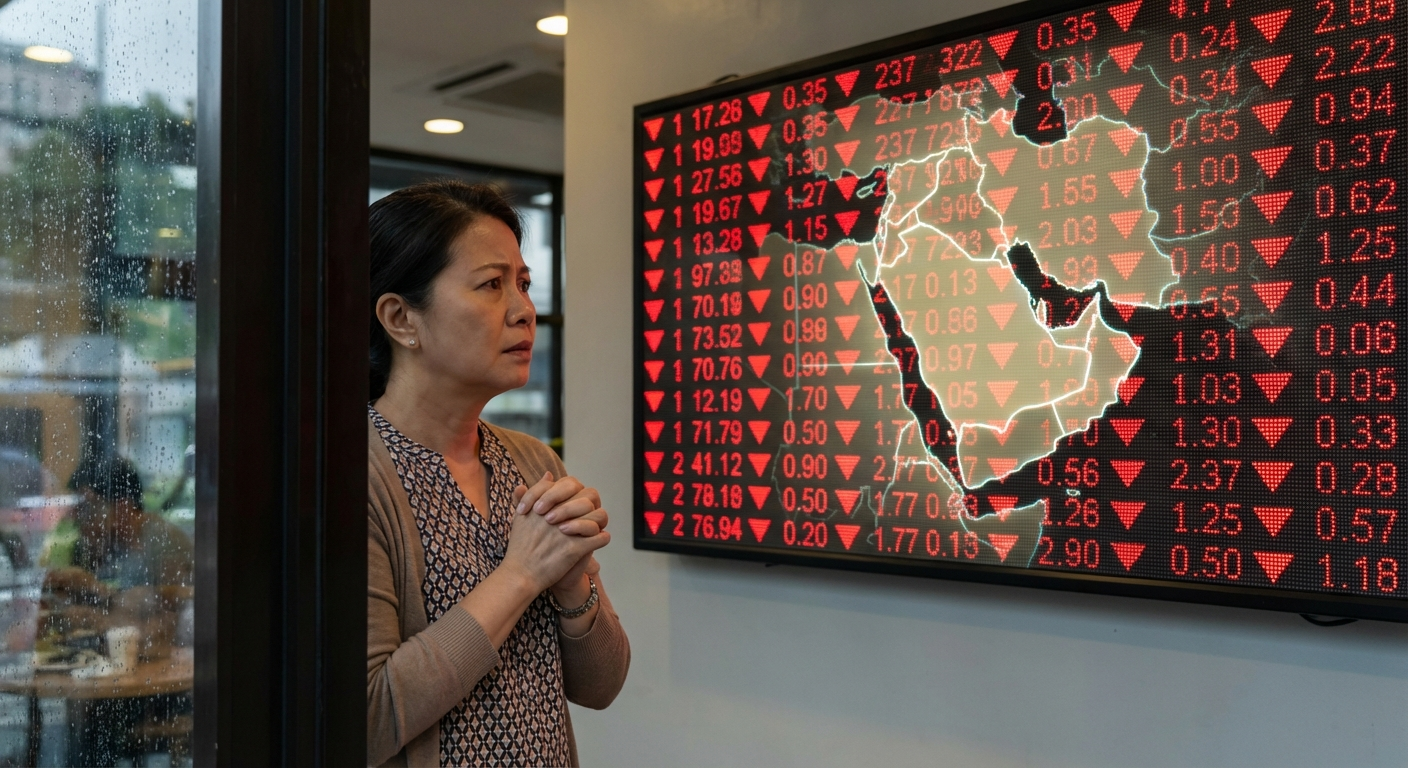
Manila – The Philippine Stock Exchange index (PSEi) plummeted nearly 4% following news of escalating conflict in the Middle East. The drop reflects investor anxiety and potential economic instability, raising concerns for Filipinos both at home and abroad. The ripple effects of global events invariably reach Philippine shores, influencing everything from investment portfolios to the cost of goods. The PSEi's sharp decline signals a broader unease about the global economic outlook. For Filipinos, particularly OFWs and their families who rely on remittances and investments, this volatility requires careful attention.
While the stock market's fluctuations may seem distant, they can impact pension funds, investment returns, and the overall health of the Philippine economy. The initial report published by Inquirer.net highlights the immediate financial reaction to international instability. Why It Matters A weaker PSEi can translate to reduced confidence in the Philippine economy. This can affect employment opportunities, particularly for returning OFWs seeking to reinvest their earnings. The instability also impacts the value of the peso, potentially increasing the cost of imported goods and services.
For families dependent on remittances, a weaker peso might seem beneficial in the short term, but it can also contribute to inflationary pressures. What Filipinos Need to Know Filipinos should stay informed about developments in the Middle East and their potential impact on the Philippine economy. Consult with financial advisors regarding investment strategies and risk management. Diversifying investments, even on a small scale, can help mitigate losses during periods of market volatility. For OFWs, it’s crucial to factor in potential economic changes when planning for their return and reintegration into the Philippine economy.
