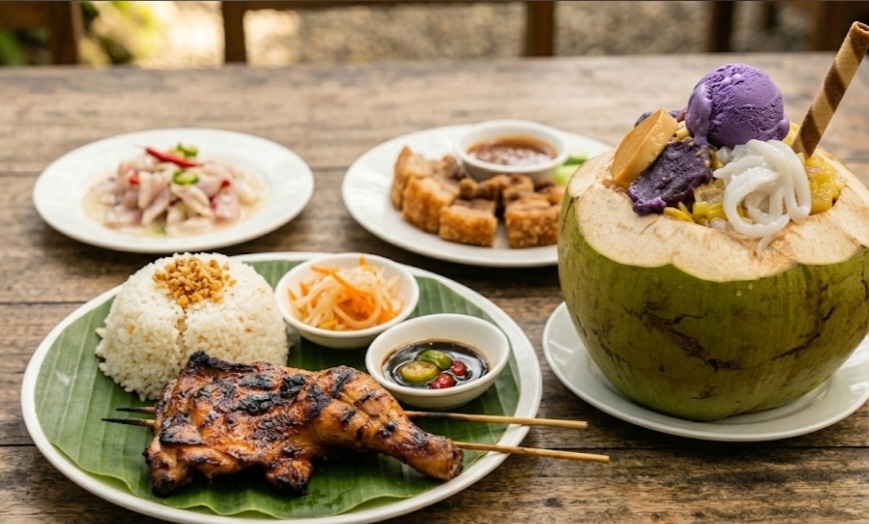
General Santos City has long been synonymous with the global tuna trade, but a silent revolution is occurring in its fertile backyards this April 2026. On Monday, April 20, trade data revealed a shocking realignment in the region’s export hierarchy, as a once-overlooked fruit officially challenged the throne of the "Tuna Capital." This economic pivot is redefining the city's gastronomy profile, shifting focus from deep-sea harvests to high-value terrestrial agriculture that is currently flooding international markets.
The "Lowly" Fruit Becomes a Global Star
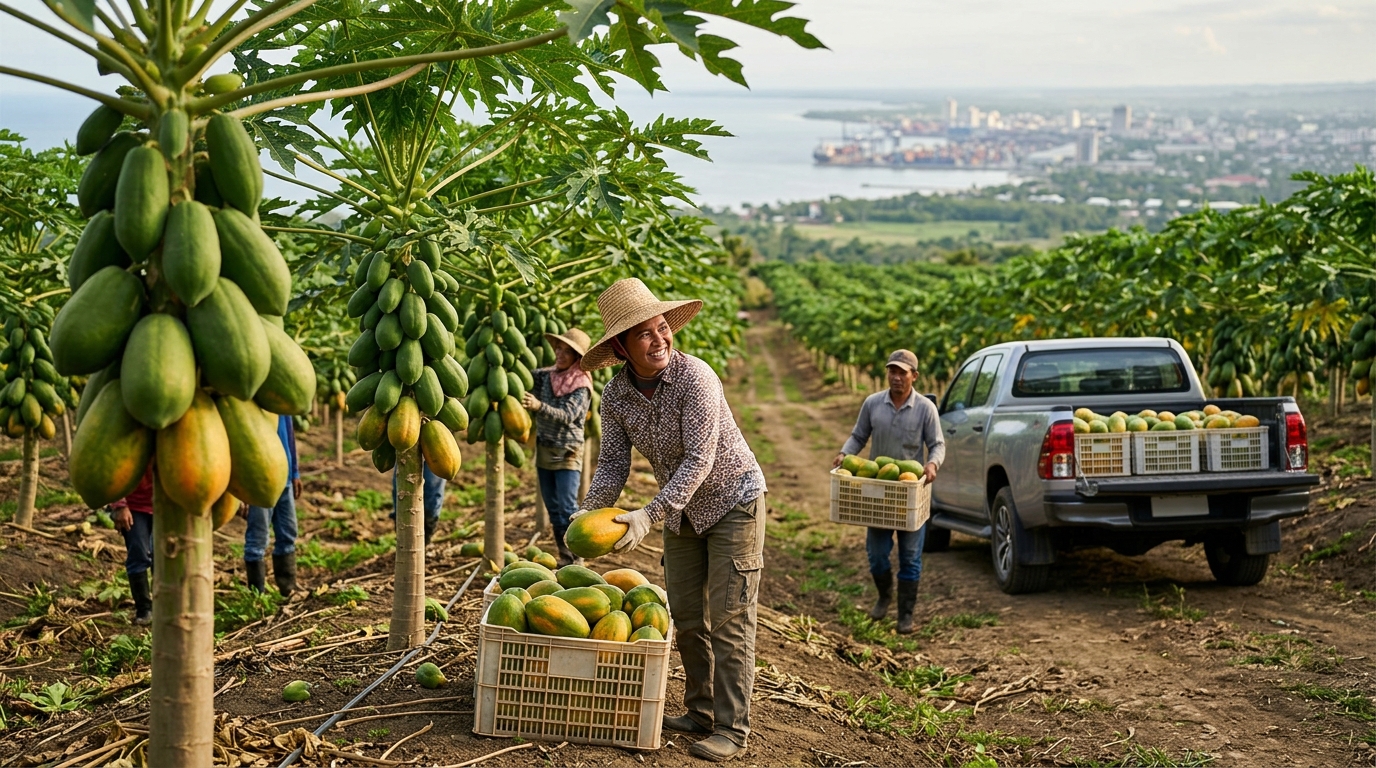
The latest economic reports released on Monday, April 20, 2026, have stunned local industry players by showing that papaya now outranks canned tuna in the region's top export list. Once referred to as a "lowly fruit" that sold for as little as 5 to 15 pesos per kilo in local backyards, the commodity has seen its valuation skyrocket due to increased demand from Japan and Europe. This surge is attributed to improved agricultural standards and the establishment of new processing facilities that have professionalized the local supply chain. For the first time in decades, the city's primary economic identity is being shared between its world-famous fish port and its burgeoning highland orchards.
Economic Impact on Small Landowners
This shift toward high-value fruit exports is providing a critical financial buffer for small-scale farmers who are currently navigating a 5.9% regional inflation rate. Unlike the tuna industry, which requires massive capital for deep-sea vessels, papaya cultivation is highly accessible to local households and small cooperatives. This democratization of the export economy ensures that the "billion-peso glow-up" of the region reaches the grassroots level, particularly in the peripheries of the city. As a result, local land values in agricultural zones are seeing a steady 15% appreciation as investors scramble to secure acreage for future plantations.
Future of Agro-Industrial Expansion
The success of the papaya export is acting as a catalyst for the city’s 2026 "Green City Action Plan," which prioritizes resource-efficient and climate-resilient agriculture. Local leaders are now moving to establish more "agri-economic zones" to support post-harvest facilities, including specialized cold storage and nitrogen freezing systems. These infrastructure upgrades are essential to maintaining the quality of volatile fresh produce for long-haul international routes. By stabilizing both its maritime and terrestrial food sources, General Santos City is securing its role as a premier trading gateway for the entire BIMP-EAGA region throughout the 2026 calendar.