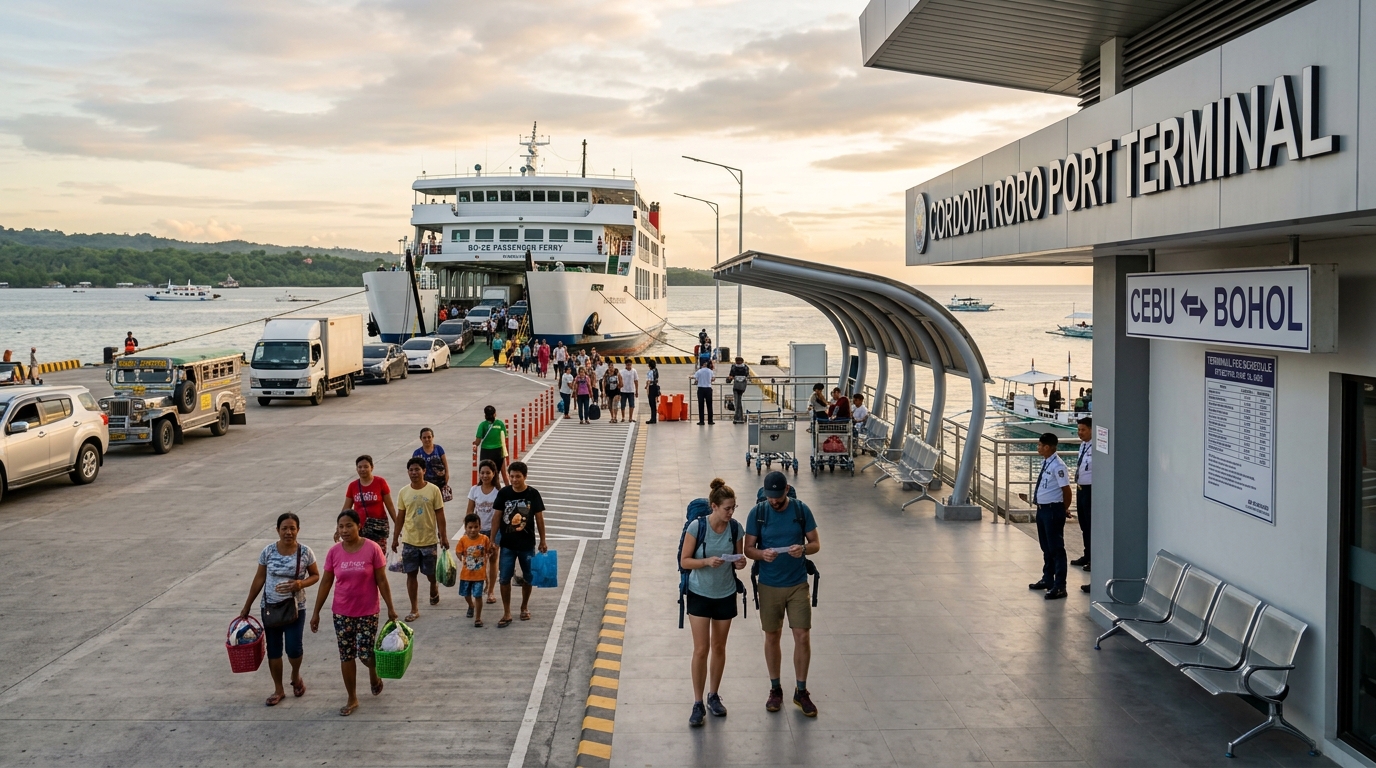
Bohol — Passengers and transporters traveling between Cebu and Bohol through the Cordova Roro Port Terminal should prepare for updated fee structures effective June 19, 2026. This adjustment is part of a larger plan to modernize port facilities, ensure sustainable coastal management, and improve the overall efficiency of the crossing. While the rate change covers terminal and environmental fees, the initiative is primarily directed at funding necessary upgrades to the port's infrastructure, which is a vital lifeline for thousands of daily travelers. Local authorities emphasize that these updates are essential for maintaining a safe, clean, and orderly environment for all people moving between these two major tourism hubs.
Investing in Gateway Efficiency
The decision to adjust the fee structure was reached after a unanimous vote by the Municipal Council to prioritize the long-term maintenance of the port terminal. With traffic volumes growing, the port requires consistent funding to keep its sanitation, security, and traffic management systems at a high standard. These small increases represent an investment in a smoother experience for passengers, whether they are tourists visiting the Chocolate Hills or residents conducting essential business. The revenue is specifically earmarked for port maintenance and environmental programs that protect the marine resources shared between Cebu and Bohol.
Structured Fees for Improved Service
The updated system introduces a clear, tiered fee structure based on the type of vehicle and the status of the passenger, ensuring fairness across all port users. While most travelers will see a minor increase, the ordinance provides exemptions for essential groups, including emergency response vehicles and children under five. This structured approach allows the port management to predict revenue more accurately and allocate funds toward specific improvements like passenger lounge upgrades and security enhancements. It is a systematic step toward making the Cebu-Bohol transit route more reliable and sustainable for years to come.
A Commitment to Sustainable Maritime Transit
Beyond the immediate improvements to the terminal building, a portion of the funds collected will support local coastal resource management and waste management initiatives. This reflects a growing understanding that protecting the marine environment is just as important as maintaining the physical port structures that serve travelers. As the implementation date approaches, authorities have been conducting public information campaigns to ensure that both transport operators and the public are well-prepared for the transition. Through this collaboration, the port hopes to continue serving as a bridge that supports the economy and social life of both provinces.