PHILIPPINES — For millions of overseas Filipino workers and their families, news headlines are not just information—they are early warnings, economic indicators, and guides for strategic planning. A powerful earthquake at home, ongoing Middle East conflict, and government protection initiatives all converge to create a landscape where staying informed is critical. Understanding these developments helps OFWs navigate personal safety, financial stability, and long-term reintegration.
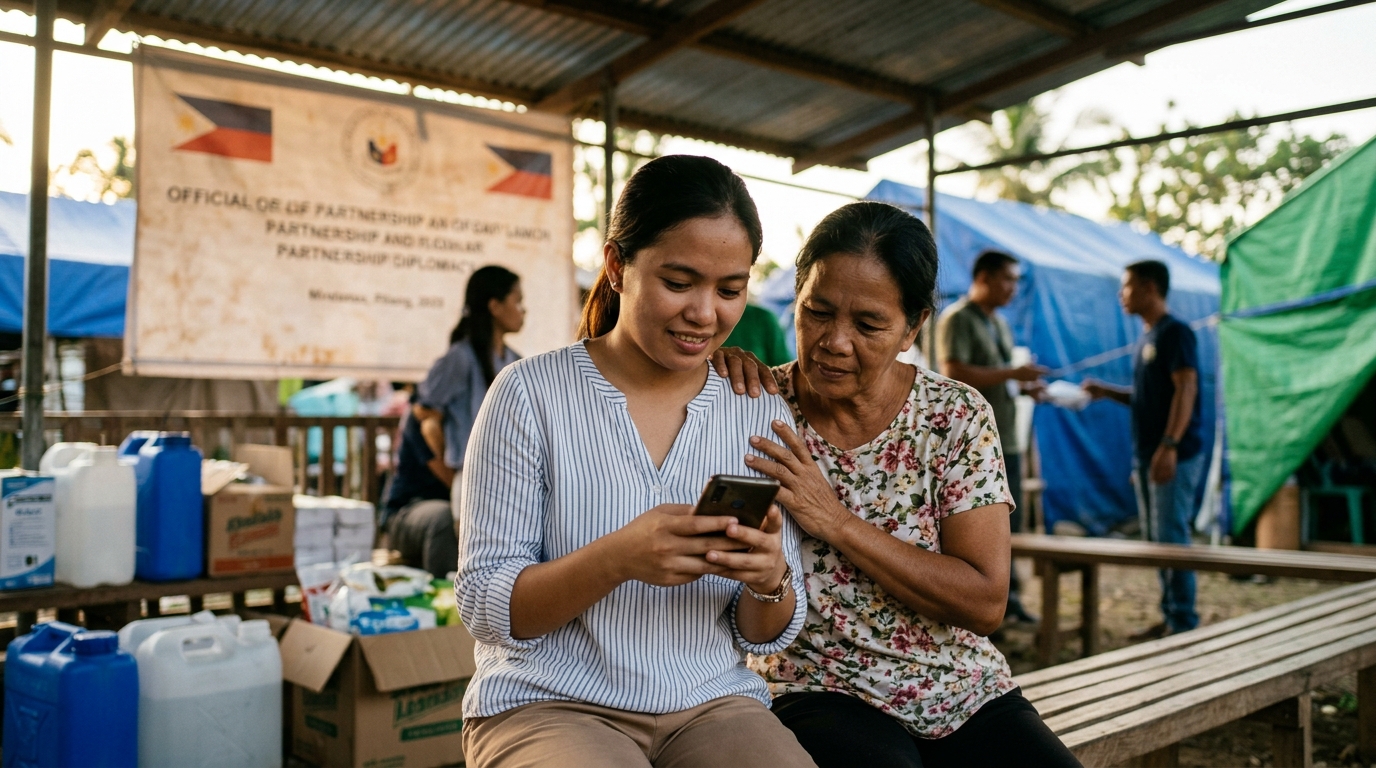
The recent magnitude 7.8 earthquake that struck Mindanao on June 8 tragically claimed lives and injured many, with the hardest-hit areas including General Santos City. For OFWs far from home, such news triggers immediate concern for loved ones and prompts urgent communication. It also highlights the importance of knowing how to direct financial support and coordinate with agencies like the Overseas Workers Welfare Administration.
Government Responds to Middle East Crisis
The ongoing Middle East conflict remains the most significant geopolitical factor for OFWs. As of June 7, the government had repatriated 10,178 Filipinos, including 8,034 workers and 1,782 dependents. A recent drone strike at Kuwait International Airport injured three OFWs, triggering a new wave of repatriation requests.
Despite these challenges, cash remittances reached $3.02 billion in January 2026, a 3.5 percent increase from the previous year. The United States, Singapore, and Saudi Arabia remain top sources. While the Middle East hosts roughly 40 percent of all OFWs, remittances from the region account for less than 20 percent of total inflows, suggesting the economic impact remains manageable.
Crackdown on Illegal Recruitment
In a major enforcement action, the Department of Migrant Workers filed human trafficking and other charges against four recruitment agencies. These agencies allegedly held 206 OFW applicants in hazardous and inhumane conditions in Manila and Cavite, with one apartment unit housing 55 applicants. The crackdown signals the government's commitment to protecting workers from exploitation.
On Migrant Workers Day, President Ferdinand R. Marcos Jr. reaffirmed support for OFWs, highlighting clear pathways for reintegration. OWWA's livelihood program, for example, provided PHP20,000 each to 50 returning OFWs in Negros Occidental to start their own businesses. Such initiatives offer tangible hope for those returning home.
Philippines Leads ASEAN on Migrant Protection
As ASEAN chair for 2026, the Philippines is championing migrant worker protection. A landmark achievement is the ASEAN guidelines on the effective return and reintegration of migrant workers, a Philippine-led initiative. This provides a regional framework for strengthening policies that support the safe return of workers.
For OFW families, the message is clear: stay informed through reliable sources, have a financial contingency plan, and know your rights. The government's reintegration programs offer crucial support for those returning home. By understanding the bigger picture and staying connected to verified information, Filipino workers can navigate the global employment landscape with greater confidence and security.