The Cebu City Council is currently locked in a rigorous probe of a proposed P981 million supplemental budget that could determine the city’s urban resilience for 2026. On April 17, 2026, the council’s budget committee proceeded with hearings for SB1, which prioritizes emergency aid for transport workers and farmers struggling with rising costs. This legislative move is critical as upland barangays face an economic crisis where the cost of transporting agricultural produce now exceeds the actual market value of the crops.
Saving the Upland Supply Chain
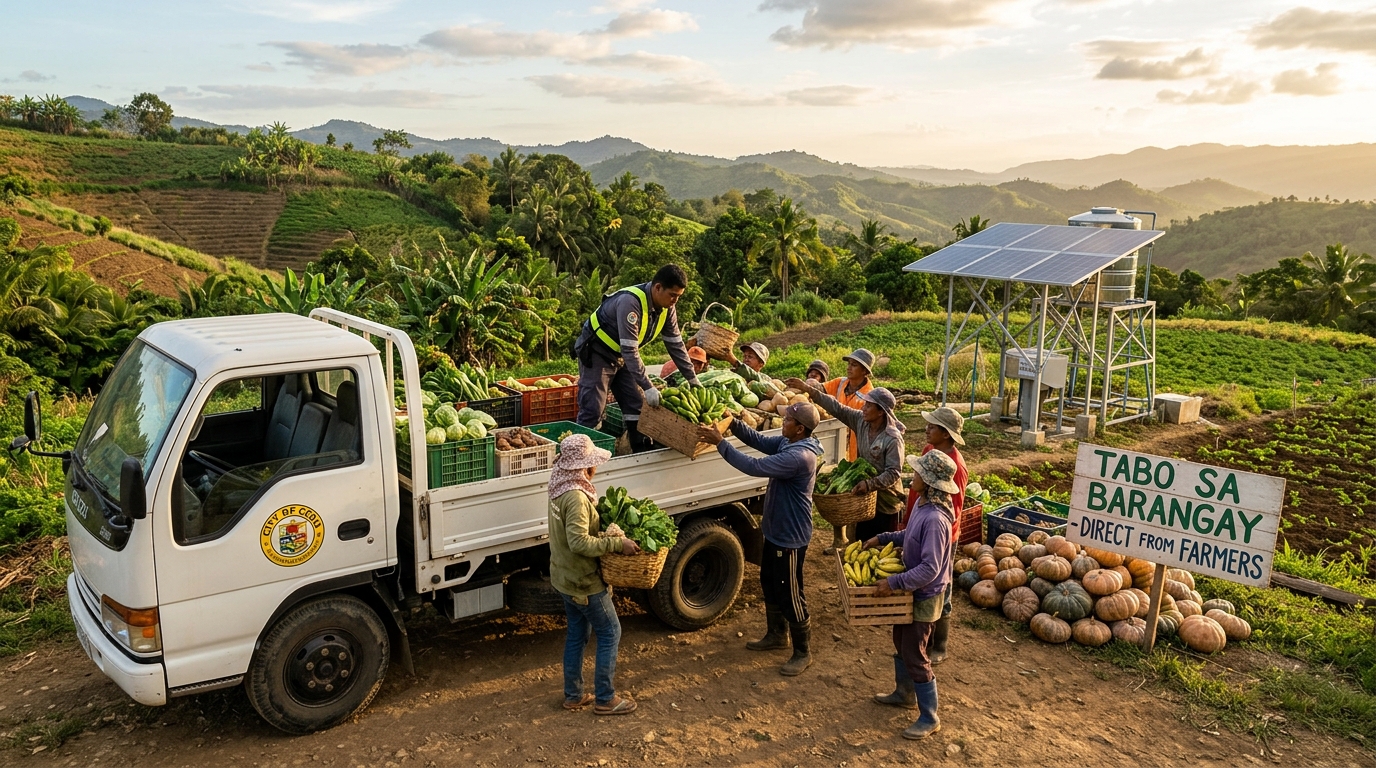
A primary focus of the P981 million budget is the establishment of weekly transport caravans to assist farmers in northern barangays like Paril. Under current economic pressures, many upland farmers are reportedly losing money because logistics and fuel costs have become more expensive than the value of the produce itself. To address this, the City Government plans to provide free transport using city-owned vehicles and revive the "Tabo sa Barangay" direct-selling scheme. This initiative aims to stabilize the city's food supply and protect the livelihoods of over 100 farmer federations across the rural districts.
Climate-Ready Infrastructure for 2026
Beyond immediate relief, the supplemental budget includes allocations for long-term resilient infrastructure, such as solar-powered irrigation systems. City officials are bracing for worsening dry conditions linked to a "very strong" El Niño, which has already caused water levels in mountain rivers to decline significantly. The plan includes identifying natural springs, installing new water tanks, and deploying pumps to ensure access to water in both upland and lowland communities. These measures are essential to de-risk the city’s residential expansion into the peripheries, where water scarcity has become a major deterrent for property investors.
Urban Mobility and Social Safety Nets
The supplemental budget also aims to provide a safety net for transport workers who have been battered by volatile fuel prices. The City is exploring cash assistance programs, potentially reallocating funds from existing aid pots to reach those most affected by the current energy crisis. This legislative push coincides with national efforts to support small transport operators through a new P2-billion e-transport loan program launched by the DTI. By combining local budget reforms with national financing, Cebu City is positioning its urban real estate market as a resilient environment capable of navigating global economic shocks.