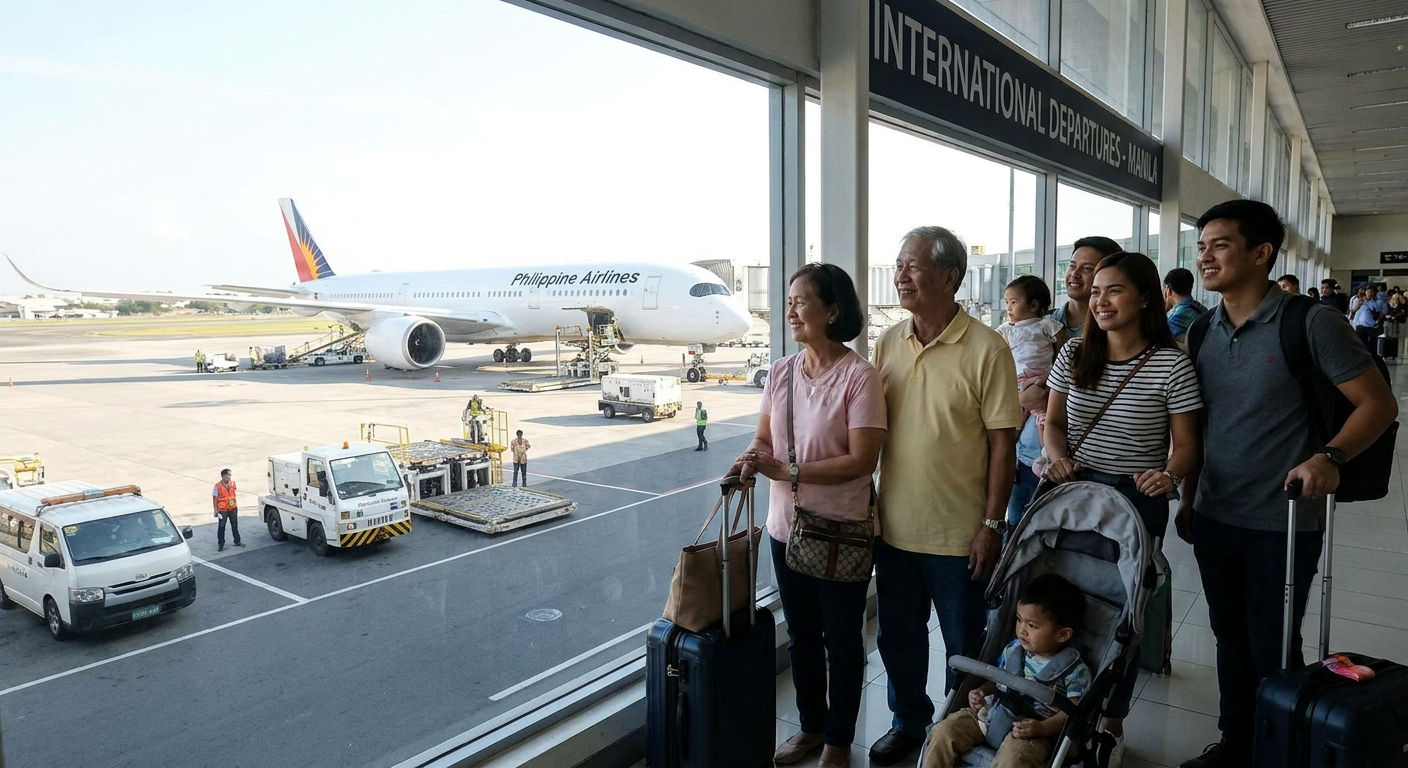
Philippine Airlines (PAL), the flag carrier of the Philippines, is gearing up for a significant fleet modernization and expansion, with nine new aircraft scheduled for delivery in 2026. This strategic move, involving five fuel-efficient Airbus A350-1000s and four A320-family jets, is poised to supercharge the airline’s long-haul routes, particularly those connecting to the United States, South Korea, and Japan.
Modernizing the Skies with High-Efficiency Long-Haul Jets
For millions of Filipinos globally, this development signals a future of enhanced air travel options and greater connectivity with their homeland. The introduction of the state-of-the-art Airbus A350-1000s will bolster PAL’s capacity on critical long-haul segments. These wide-body aircraft are renowned for their fuel efficiency, extended range, and superior passenger comfort, making them ideal for trans-Pacific and other intercontinental journeys. The A320-family jets, on the other hand, will likely strengthen regional routes and domestic connections, feeding into the international network. This two-pronged approach ensures that Philippine Airlines can cater to both distant travelers and those on shorter regional hops.
Enhancing Global Connectivity and Support for the Diaspora
This investment by Philippine Airlines holds considerable significance for the broader Filipino economy and its people. A modernized and expanded fleet directly translates to increased seat capacity, which can potentially lead to more direct flights, increased frequencies, and even the opening of new routes to key destinations where large Filipino communities reside. For overseas Filipino workers (OFWs), this means more convenient and potentially more affordable travel options to visit family or return home. Beyond passenger travel, a robust national airline indirectly supports the Philippine tourism sector by facilitating easier access for international visitors, including those with Filipino heritage. It also strengthens the country's logistical capabilities, potentially boosting cargo operations vital for trade and the timely delivery of goods and remittances. This expansion underscores confidence in the recovery and growth of the global travel industry, with the Philippines firmly positioning itself as a central hub in Southeast Asia.
A Future of More Accessible and Comfortable Travel Options
Filipinos, whether residing in the Philippines or abroad, can anticipate tangible benefits from this fleet upgrade. Travelers can expect a more comfortable and efficient flying experience with newer aircraft, potentially featuring advanced in-flight entertainment and amenities. For families separated by distance, increased flight options could translate to more flexibility in planning visits, reducing travel stress and time. While direct price impacts are yet to be seen, greater competition and capacity often lead to more competitive fares over time. This strategic investment by Philippine Airlines reinforces its commitment to serving the global Filipino community, promising a more connected and accessible future of air travel.