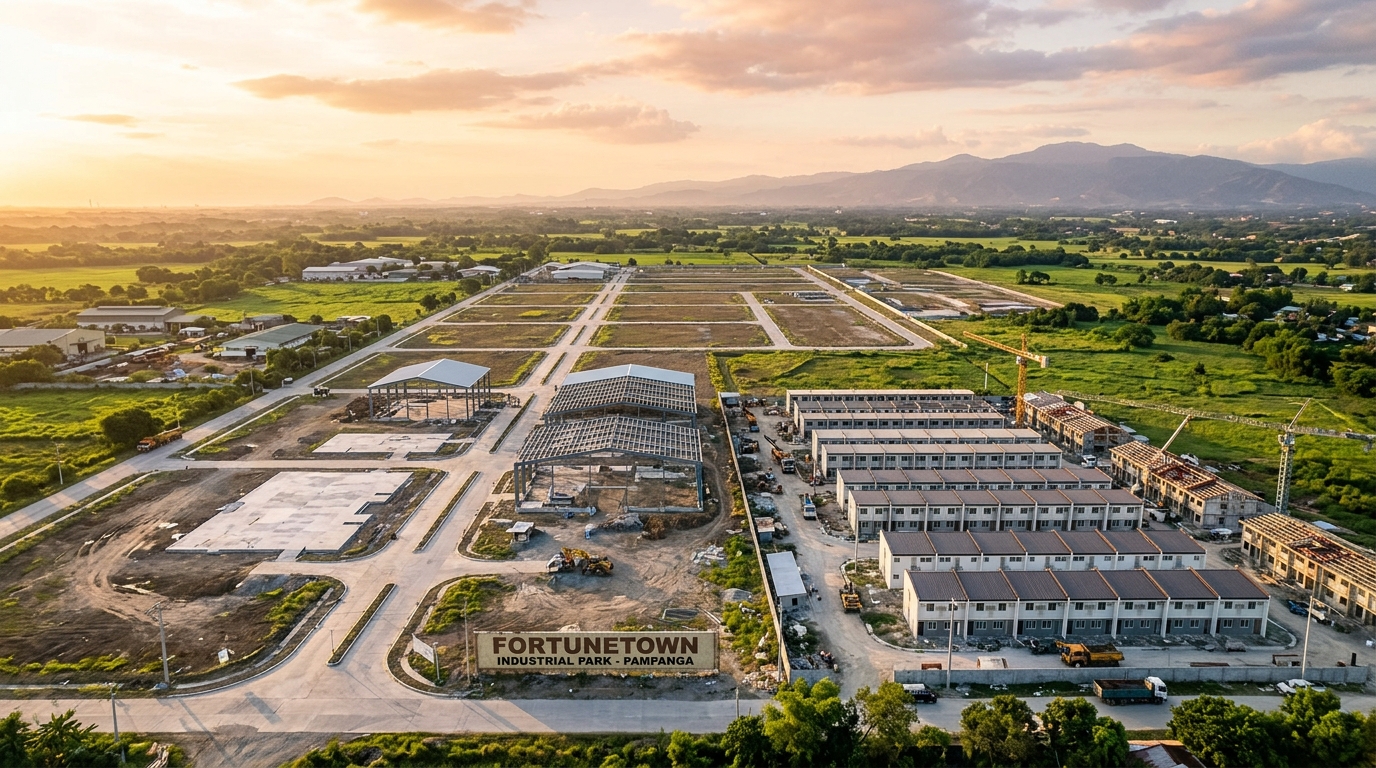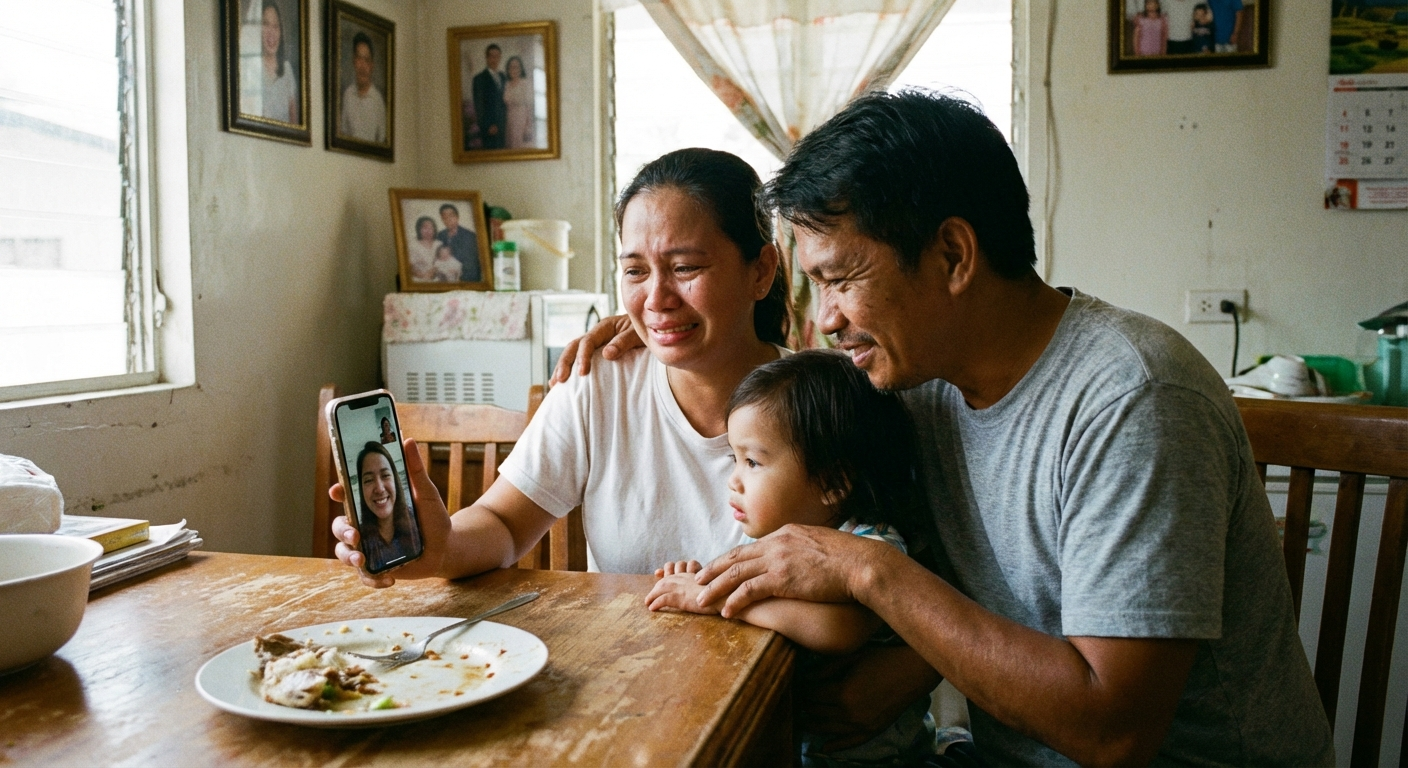
The Philippine labor market saw a significant improvement in February 2026, with the unemployment rate easing to 5.1%. This latest figure, reported by Rappler, signifies a positive shift in the country's employment landscape, largely driven by an expansion in the administrative sector. The reduction in joblessness offers a glimmer of hope for countless Filipino families grappling with economic uncertainties. This decline suggests that more individuals found employment opportunities within the Philippines, moving away from previous higher rates. The administrative sector's contribution is particularly notable, hinting at increased demand for support staff, clerical roles, and office-based positions across various industries. While specific numbers on job creation were not detailed in the initial report, the overall downward trend in unemployment points to a recovering or expanding economy, capable of absorbing more of its workforce. Why It Matters For millions of Filipinos, both at home and abroad, a lower unemployment rate in the Philippines is a crucial economic indicator. A healthier domestic job market can translate into greater financial stability for households, reducing dependency on external factors and potentially easing the burden on Overseas Filipino Workers (OFWs) who often serve as primary income earners for their relatives. When local jobs are more readily available and stable, families experience less pressure, and the overall quality of life can improve. This also signifies increased consumer spending power, bolstering local businesses and contributing to sustained economic growth. What Filipinos Need to Know Filipinos globally, especially OFWs, should view this development as a positive sign for the national economy. For those considering returning to the Philippines, an easing unemployment rate, particularly in administrative roles, might suggest a more welcoming job environment than in previous years. It could also influence remittance patterns, as families at home might face less immediate financial strain, allowing OFWs more flexibility in their earnings or investments. Furthermore, for young Filipinos entering the workforce, the growth in specific sectors like administration indicates potential career paths and areas requiring skilled talent. While one month's data is a snapshot, a sustained downward trend in unemployment signals resilience and potential for long-term economic stability in the Philippines.