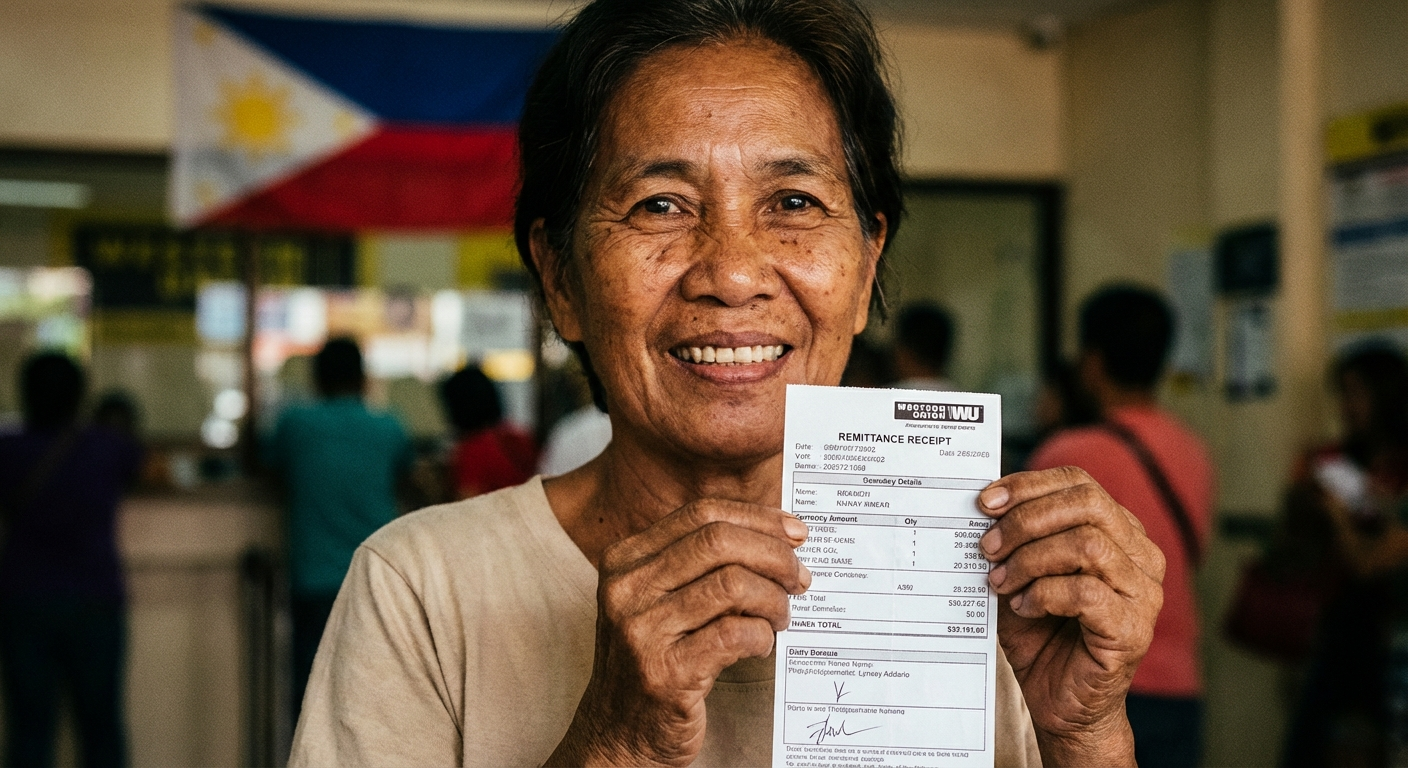
After a concerning dip, the Philippine peso and the stock exchange showed signs of recovery on Tuesday, providing a much-needed sigh of relief to Filipinos both at home and abroad. This fluctuation, reported by ANC 24/7, directly impacts the financial lives of Overseas Filipino Workers (OFWs) and their families, as it influences the real value of remittances. The peso's strength relative to other currencies, particularly the US dollar, determines how much beneficiaries receive when OFWs send money home. A stronger peso means families get less in Philippine currency for every dollar sent, while a weaker peso translates to more. Therefore, this rebound, while positive for the overall economy, requires careful monitoring for those dependent on remittances. Why It Matters For OFWs, understanding the peso's movement is crucial for maximizing the impact of their hard-earned money. A slight dip presents an opportunity to send remittances when the exchange rate favors them, allowing families back home to stretch their budgets further. Conversely, a strong peso might prompt delaying remittances if possible, or seeking alternative investment strategies. The Philippine economy's stability also influences job opportunities and wages for Filipinos, whether based locally or overseas. What Filipinos Need to Know Filipinos, especially OFWs and their families, should stay informed about currency exchange rates and economic forecasts. Financial literacy empowers families to make informed decisions about spending and investments. Consider consulting with financial advisors to develop strategies that mitigate risks associated with currency fluctuations and optimize remittance timing. Remember that even small changes in the exchange rate can have a significant impact on the final amount received.