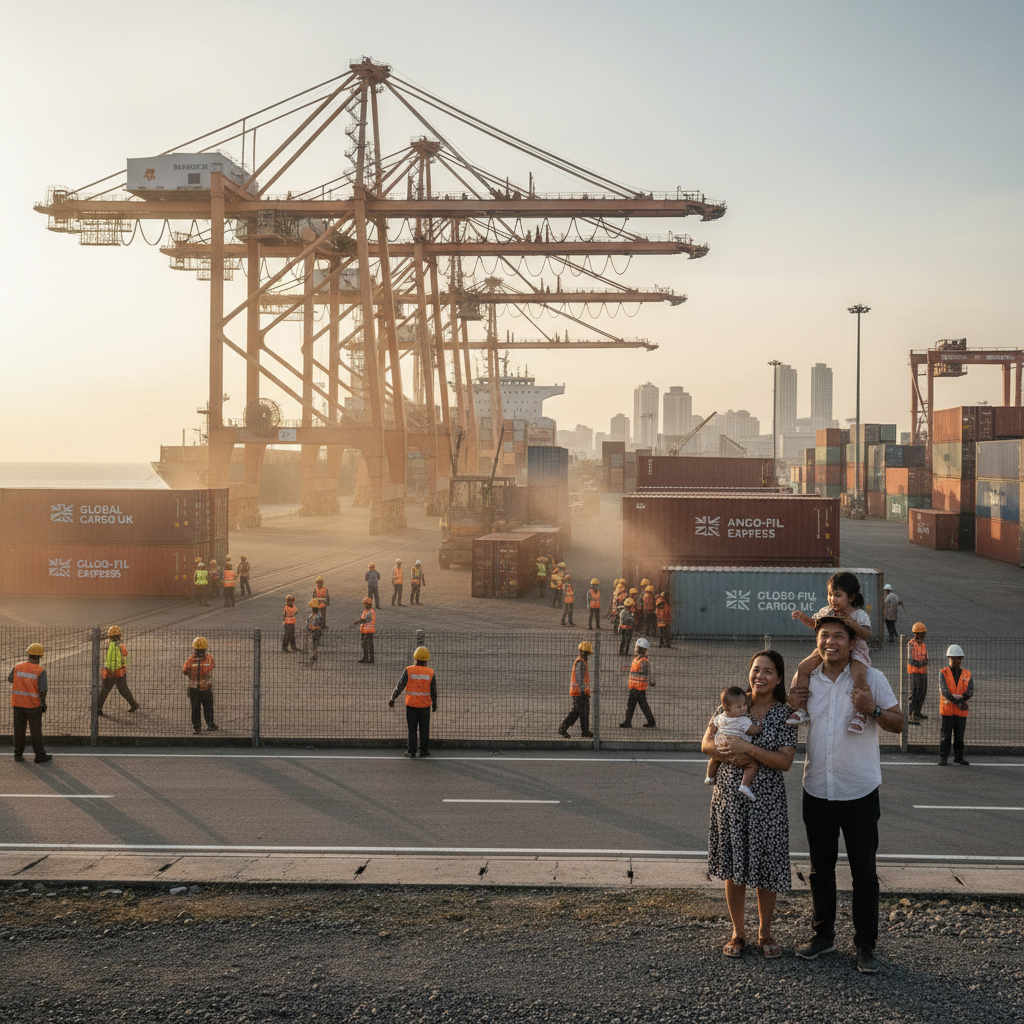
Trade relations between the Philippines and the United Kingdom are poised for an upswing, with an expected rise in bilateral trade this year, according to recent reports. This development signals a potentially robust period for economic engagement between the two nations, holding significant implications for the Philippine economy and its global workforce. While specific sectors or projected figures for this increase were not detailed in the initial report, any expansion in trade volume typically translates to heightened economic activity. For the Philippines, this could mean an injection of foreign investment, increased demand for Filipino products and services, and the potential for new job opportunities within various industries. A stronger trade partnership with a major economy like the UK can also bolster the Philippines' position in the global market, attracting further international interest.
Trade for Stability and Growth
For millions of Filipinos, both residing in the Philippines and those working as Overseas Filipino Workers (OFWs) across the globe, a flourishing trade relationship with the United Kingdom is more than just an economic statistic. It represents potential stability and growth. A stronger Philippine economy, fueled by increased trade, can lead to better living conditions, improved infrastructure, and more opportunities at home, potentially easing the pressure for some to seek employment abroad. For OFWs, particularly those in the UK, a robust economic tie could also indirectly foster a more stable environment for their host country's economy, which in turn benefits their employment security and remittance capabilities. This interconnectedness highlights how global economic shifts directly impact the daily lives and long-term prospects of Filipino families.
What Filipinos Need to Know
As this anticipated trade increase unfolds, Filipinos should remain attentive to emerging opportunities. While direct impacts may not be immediately evident, a strengthened trade relationship could open doors in industries like services, technology, and even agriculture, creating new demands for skilled labor both within the Philippines and potentially for those seeking overseas employment. It underscores the importance for the Filipino workforce to continuously upskill and adapt to evolving global market needs. Staying informed about new trade agreements and economic partnerships can empower Filipinos to seize potential benefits, whether through new business ventures at home or by identifying in-demand skills for international careers.