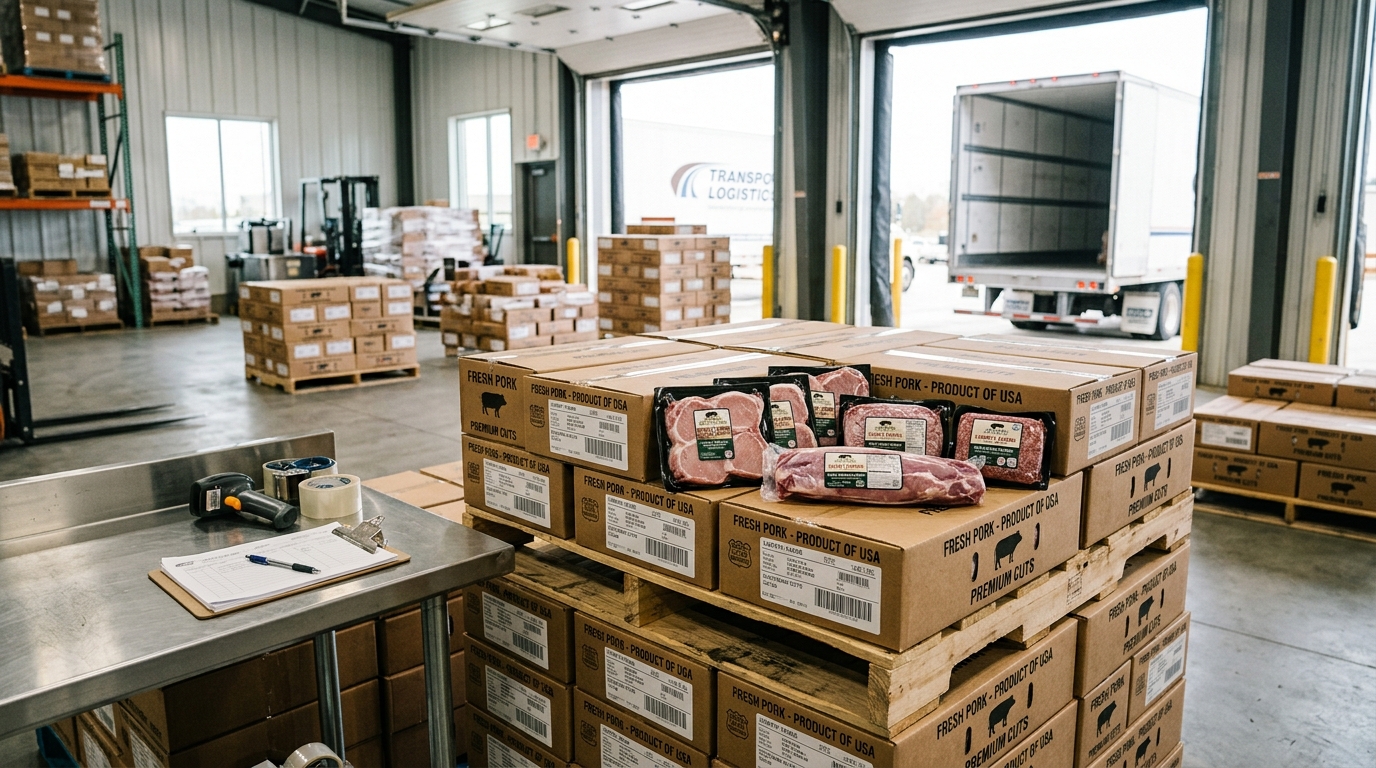
Philippines — The Pork Producers Federation of the Philippines Inc. (ProPork) has voiced strong opposition to the government’s recent decision to dramatically increase the pork import quota, describing the move as a "death sentence" for local hog farmers. Through Executive Order No. 116, the Minimum Access Volume (MAV) for pork was raised to 204,250 metric tons, a fourfold increase from the previous 54,250 metric tons. While the federation maintains that they are not inherently against importation, they argue that flooding the market with foreign meat while the domestic industry is still fragile and recovering from African swine fever (ASF) is unfair competition that undermines local recovery efforts.
Addressing Inefficiencies Over Market Flooding
ProPork President Eric Harina highlighted a stark "disconnect" between current policymaking and the reality of the domestic swine sector, noting that local and imported supplies are already more than adequate. The federation argues that increasing the import volume fails to address the actual root cause of high prices: persistent inefficiencies in the national supply and value chain. Despite low farmgate prices and the availability of cheaper imported meat, consumers continue to face high retail costs, a trend the group attributes to benefits going toward traders and importers rather than the end consumer or local producer.
Calls for Consultation and Policy Revocation
Beyond the economic impact, the federation has criticized the lack of transparency surrounding the issuance of Executive Order No. 116. They claim that the policy was implemented without proper consultation with key industry stakeholders and bypassed the MAV Council, which is the body tasked with recommending such trade actions. ProPork is now urging the administration to immediately revoke the increased quota, institutionalize regular consultations with hog raisers, and prioritize the modernization of the local supply chain. The group warns that if the government continues to favor import liberalization, it will ultimately weaken long-term food security by discouraging domestic production and driving small-scale farmers out of business.