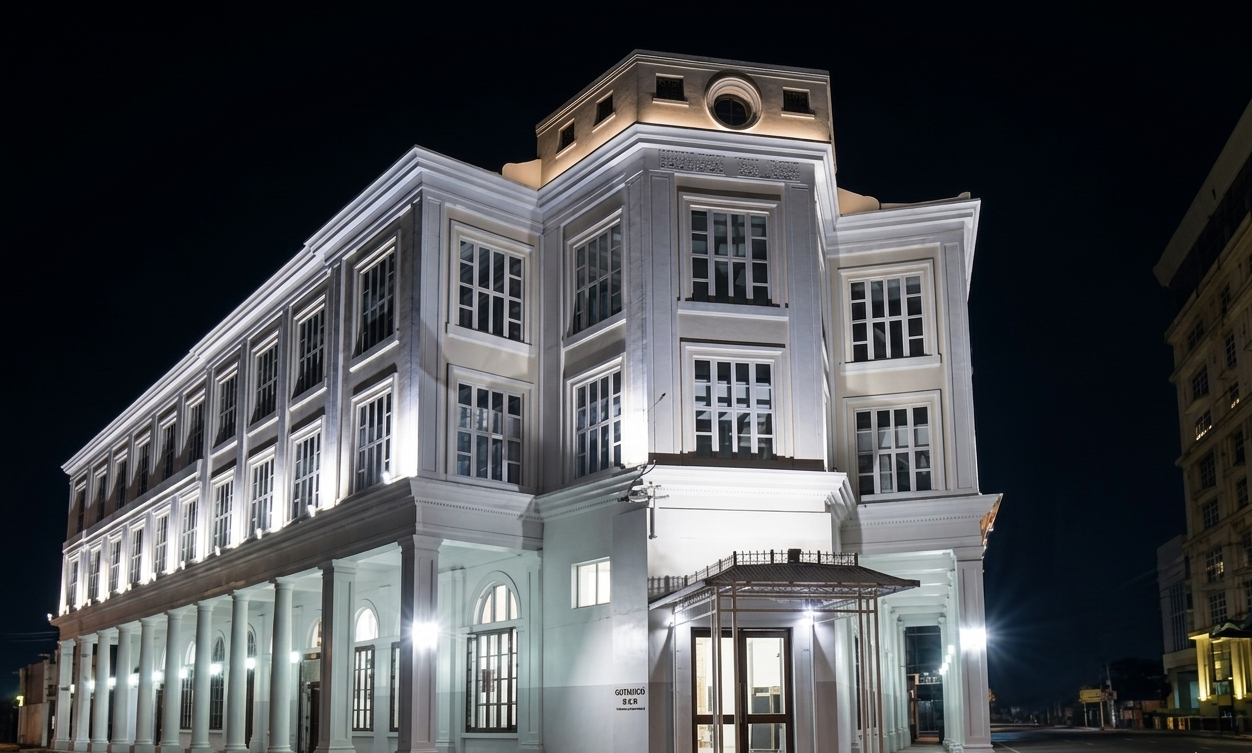
Cebu — Situated in the heart of Cebu City, the Sugbu Chinese Heritage Museum stands as a significant cultural landmark dedicated to celebrating the centuries-long relationship between Chinese settlers and the Cebuano community. Housed within the meticulously restored Gotiaoco Building on M.C. Briones Street, this institution serves as the first museum of its kind in the Visayas and Mindanao, offering a profound glimpse into the history of Chinese-Filipino integration.
A Historic Home for Shared History
The museum is located in the Gotiaoco Building, a structure of immense historical importance originally built in 1914 by Don Pedro Gotiaoco. As one of Cebu’s most iconic landmarks, the building holds the distinction of being the first in the city to feature an elevator and air conditioning. After decades of service and weathering major earthquakes, the neoclassical structure underwent a careful restoration process between 2016 and 2019 to preserve its original design while adapting it for its new life as a center for heritage and education. Today, the building itself serves as a testament to the influence of Cebuano-Chinese families in the development of the city’s infrastructure and commerce.
Exhibits and Cultural Significance
Inside, visitors can explore a diverse collection of artifacts that chronicle the lives, struggles, and achievements of the Chinese community in Cebu. The museum’s galleries feature an immersive array of items, including excavated maritime artifacts, traditional household tools, heirloom textiles, and photographs that document the evolution of the city's trade and social life. A centerpiece of the collection is the life-size replica of a junk ship, symbolizing the journey of early settlers who arrived in Cebu with hopes of building a new life. These exhibits provide a vital educational resource, showcasing how these early immigrants engaged in trade and forged deep-rooted connections with the local Sugbuanon population long before the colonial era.