Bohol’s legendary "broken salt" has officially achieved global recognition, moving the local culinary conversation beyond simple recipes to state-level strategic pride. On Monday, April 20, 2026, UNESCO announced the inscription of asin tibuok onto its prestigious heritage safeguarding list. This recognition serves as a massive asset for Bohol’s tourism sector as it prepares for the upcoming UN World Forum on Gastronomy Tourism later this year.
A Meticulous Journey from Sea to Clay
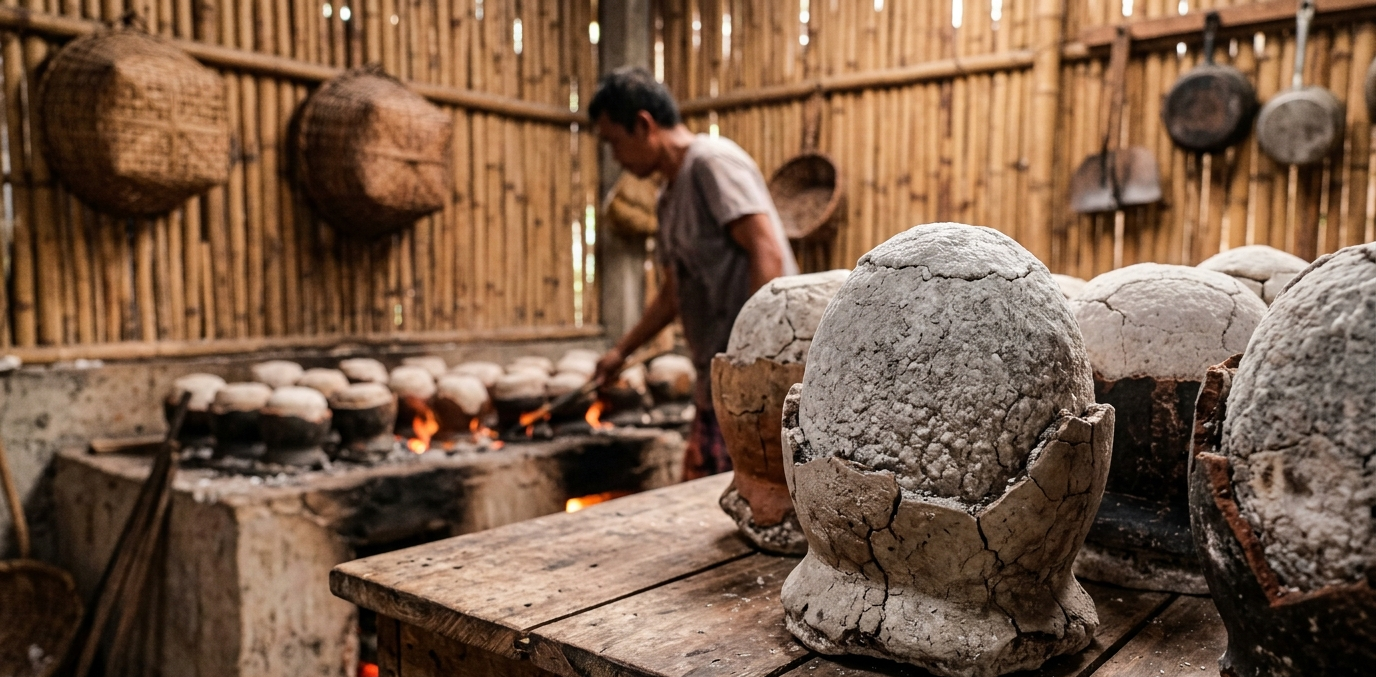
The centuries-old practice of making asin tibuok follows a meticulous and labor-intensive process passed down through generations of Boholano families. The craft begins with soaking coconut husks in seawater for months before they are dried and burned to produce a specific mineral-rich ash. This ash is filtered with more seawater to create a concentrated brine, which is then slowly boiled in clay pots over open fires until solid salt forms. The final product is a unique, egg-like form of white salt encased in a hardened clay shell, prized for its smoky and subtly sweet flavor profile.
UNESCO’s Shield for a Rare Tradition
By April 20, 2026, the theme “Connected by Taste” successfully elevated the salt-making tradition to the UNESCO List of Intangible Cultural Heritage in Need of Urgent Safeguarding. This listing reflects a sophisticated reclamation of identity, protecting the "heirloom soul" of the nation against the homogenizing forces of globalized fast food. The tradition currently faces significant threats from the time-intensive nature of its production and competition from cheaper, mass-produced alternatives. Only a handful of families in the town of Alburquerque continue to practice the craft today, making this global recognition a vital milestone for its survival.
Gastronomy as a Driver for Regional Stability
Tourism Secretary Christina Garcia Frasco emphasized that this recognition supports the broader goal of strengthening sustainable tourism by celebrating what is authentically Filipino. The inscription serves as the "institutional scaffolding" needed for Bohol to compete in the global experience economy while empowering local producers and farmers. This achievement ensures that the benefits of high-end food tourism reach the entire provincial supply chain, particularly younger generations encouraged to learn the trade. As global attention turns toward heritage food practices, asin tibuok stands as a testament to the Philippines' rich and resilient culinary traditions.