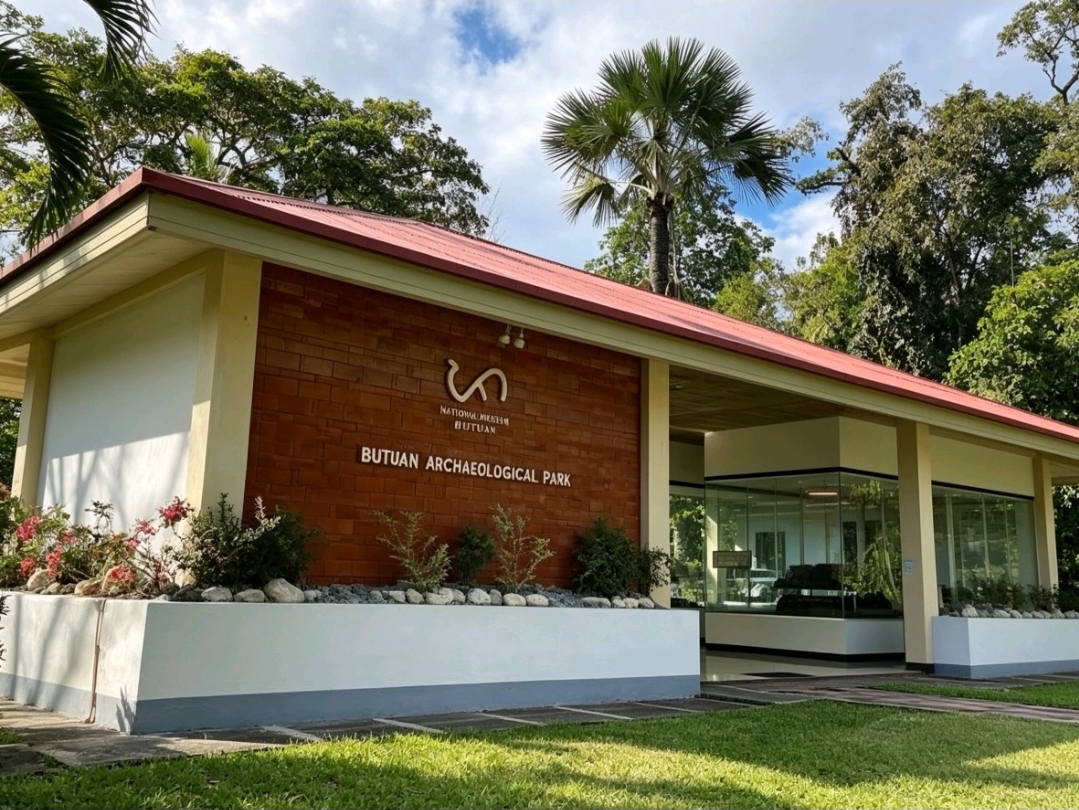
BUTUAN CITY — For history enthusiasts, the Butuan Boat Site Museum in Barangay Libertad offers a profound connection to the Philippines' maritime past. As a key field unit of the National Museum of the Philippines (NMP), this site marks the exact location where ancient balangay vessels were unearthed. These wooden, plank-built boats, dating back to the 8th–10th century, serve as definitive evidence that Butuan was a thriving hub of Southeast Asian maritime trade long before the colonial era.
A Legacy of Discovery
The first balangay was discovered in 1976 by locals, sparking decades of archaeological exploration. To date, several vessels have been documented in the area. Boat No. 1 is preserved and exhibited on-site at the museum, while Boat No. 2 is prominently displayed at the National Museum of the Philippines in Manila. These vessels have been declared National Cultural Treasures, recognizing their immense significance to Filipino history and the broader maritime Silk Road.
What to Expect
The museum is a specialized facility managed by the NMP. Visitors can view the excavated remains of Boat No. 1, which is displayed in its original burial position. The site also highlights significant archaeological artifacts, including wooden coffins, burial ceramics, and artifacts from the 14th–15th centuries. These findings, including evidence of royal burials, underscore Butuan’s stature as a sophisticated, pre-colonial kingdom.
Visitor Information
The museum is managed by the National Museum of the Philippines - Butuan. It is generally open to the public, though it is highly recommended to check the official NMP Butuan social media channels for current operating hours, as maintenance at archaeological sites can lead to temporary closures. The site is easily accessible from the Butuan city proper via a short tricycle ride. Admission policies follow current National Museum regulations; it is best to prepare for a nominal fee or verify if entry remains free during your specific visit.