Bohol — The island is proactively addressing the challenges facing its tourism sector by convening a Strategic Tourism Dialogue held at the Bohol-Panglao International Airport (BPIA). As geopolitical tensions, particularly in the Middle East, continue to disrupt global aviation routes and increase travel costs, the province is looking for innovative ways to remain an accessible destination. Organized by the Aboitiz Infracapital Bohol Airport Corporation, the dialogue brought together tourism leaders to discuss how to maintain consistent arrival numbers despite these external headwinds. This meeting marks an essential step in ensuring that the province’s tourism industry is well-prepared for any volatility in the global travel market.
Adapting to Global Volatility
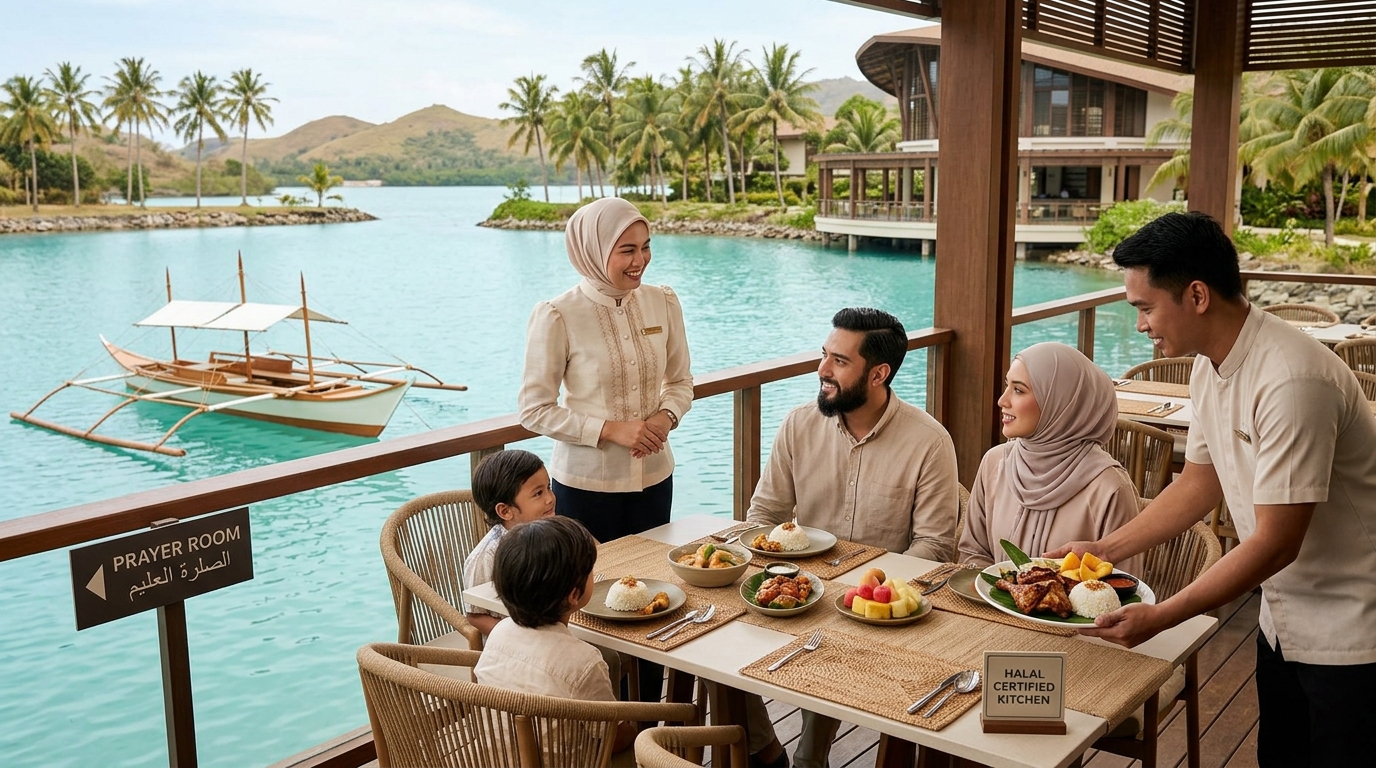
The dialogue focused on the reality that the tourism sector is highly sensitive to fluctuations in the global economy, especially regarding fuel prices and flight path changes. With a significant portion of international arrivals passing through major transit hubs in the Middle East, the province has felt the ripple effects of recent aviation disruptions. The stakeholders discussed practical solutions, such as exploring alternative source markets and improving the efficiency of local arrival processes. By tackling these issues head-on, the province aims to minimize the negative impact on businesses that rely on a steady flow of international visitors.
Strengthening Regional Connectivity
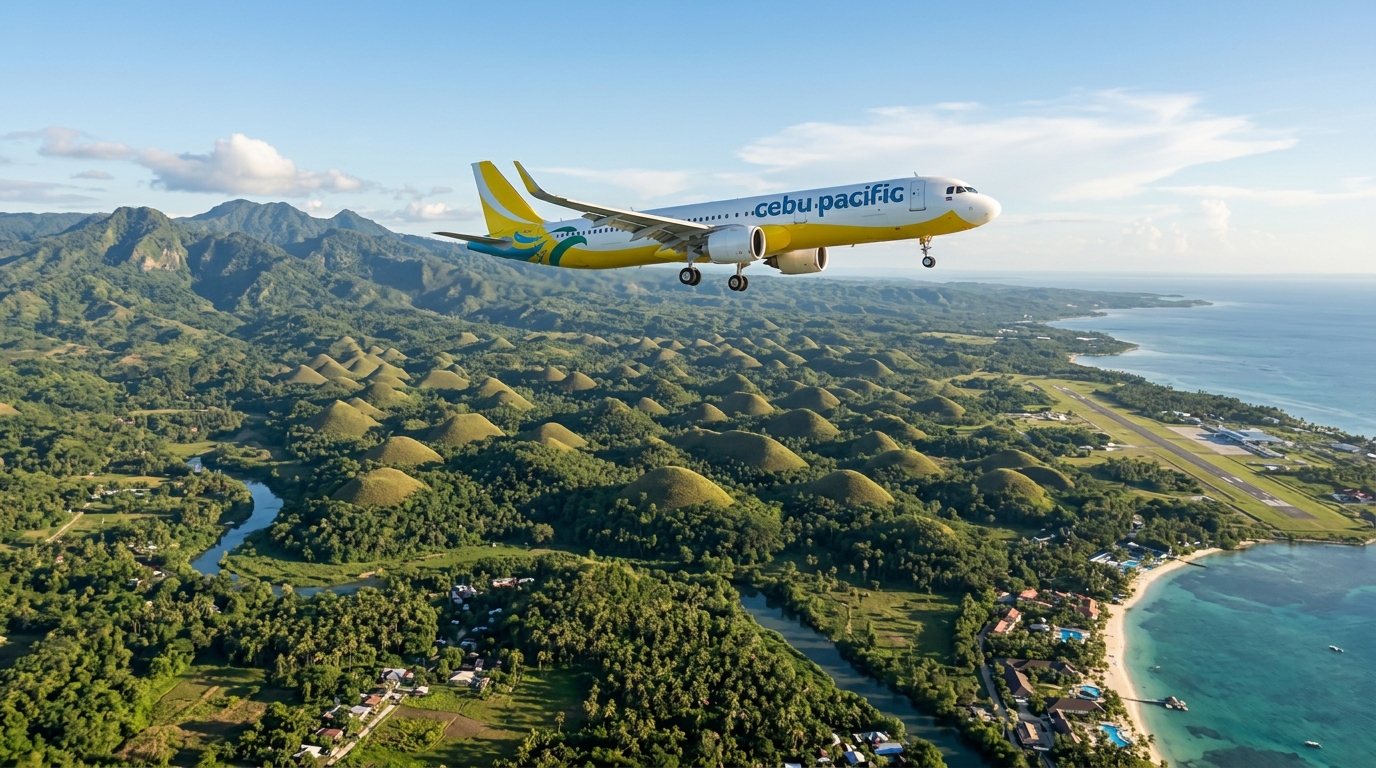
A key component of the conversation was the importance of maintaining strong regional connectivity to ensure that the island remains a top-of-mind destination. The airport operator highlighted plans to continue coordinating with airline partners to find ways to keep the destination attractive, even when travel costs are rising. This involves not only operational improvements but also intensified marketing efforts that remind the world of the island's unique and diverse offerings. The commitment to keeping the gateway efficient and inviting is a central part of the province’s strategy to protect its tourism-dependent economy.
Prioritizing Resilience and Readiness
For the tourism stakeholders involved, this dialogue was less about solving a crisis and more about building a robust framework for long-term endurance. The participants acknowledged that while the current environment is difficult, the province's physical beauty and its people’s hospitality remain powerful, durable assets. By constantly refining their approach and staying flexible, the leaders are ensuring that the island can thrive no matter what challenges the global travel environment presents. It is an approach that values proactivity and collaboration above all else, ensuring the destination remains open and ready for the world.