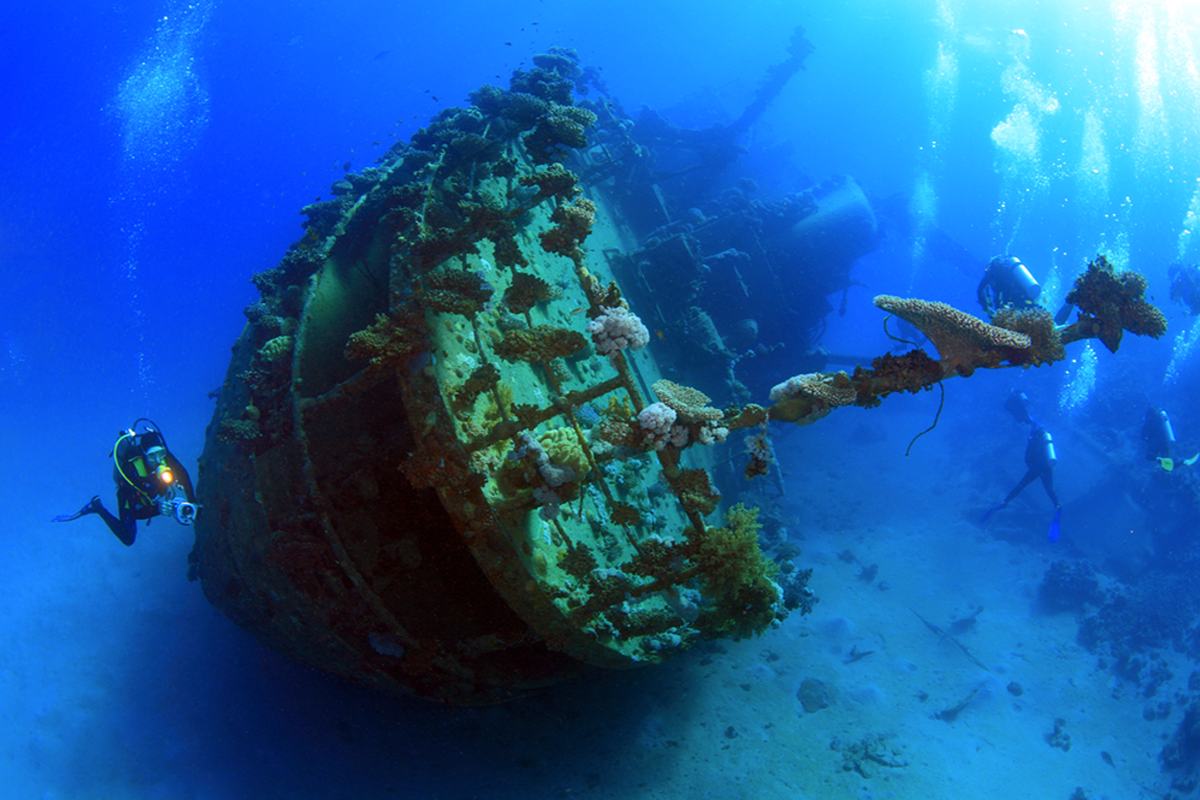
PALAWAN — Hidden beneath the serene, turquoise surface of Coron Bay lies one of the world's most captivating underwater museums: a fleet of sunken Japanese warships from World War II. In September 1944, a pivotal airstrike by U.S. Navy aircraft transformed this quiet anchorage into a sanctuary for history and marine life. Today, these twelve submerged vessels offer divers and snorkelers a rare, hauntingly beautiful opportunity to drift through history, witnessing how nature has reclaimed these metallic giants and turned them into thriving artificial reefs teeming with vibrant biodiversity.
A Hauntingly Beautiful Underwater Ecosystem
Each wreck in Coron tells a unique story, ranging from massive 168-meter tankers like the Okikawa Maru to smaller, accessible vessels like the Skeleton Wreck. Over the decades, these ships have been transformed into spectacular artificial reefs, draped in lush soft corals and sponges that provide a sanctuary for an incredible array of marine life. Divers can encounter schools of barracuda, majestic sea turtles, lionfish, and groupers while navigating through cargo holds, engine rooms, and bridge structures. The wrecks are incredibly diverse, with some sitting at shallow depths perfect for beginners and snorkelers, while others provide thrilling, complex penetration dives for experienced wreck enthusiasts.
An Essential Journey for Every Adventurous Diver
Visiting the Sunken Japanese Wrecks is widely considered a bucket list experience that distinguishes Coron as a world class diving destination. Whether you are a certified diver looking to explore the eerie passageways of the Irako Maru or a snorkeler catching glimpses of the coral-encrusted Lusong Gunboat, the experience is both educational and deeply moving. To make the most of your adventure, it is highly recommended to dive with professional local centers that specialize in wreck exploration, ensuring you can navigate these delicate historical sites safely. Exploring these submerged relics offers a poignant reminder of the past, proving that even in the aftermath of conflict, nature finds a way to create something vibrant, mysterious, and awe-inspiring.