Cebu is not just following culinary trends; it is setting them for the entire Southeast Asian region. As of April 2026, a groundbreaking sustainability pledge has transformed the menus of the province's leading hospitality properties.
The headline for the dining sector is the "Green Menu Revolution." Under a partnership with the Lever Foundation, major hotel groups like The Ascott Limited and Megaworld Hotels have signed binding commitments to restructure their kitchen operations. This represents the most ambitious hospitality sustainability pledge in the Philippines, aiming to reduce the environmental footprint of the province's tourism industry. By 2030, these properties aim for even higher ratios, but the immediate shift is already visible in April 2026. This move is a response to the growing global demand for ethical and low-carbon dining options among international travelers.
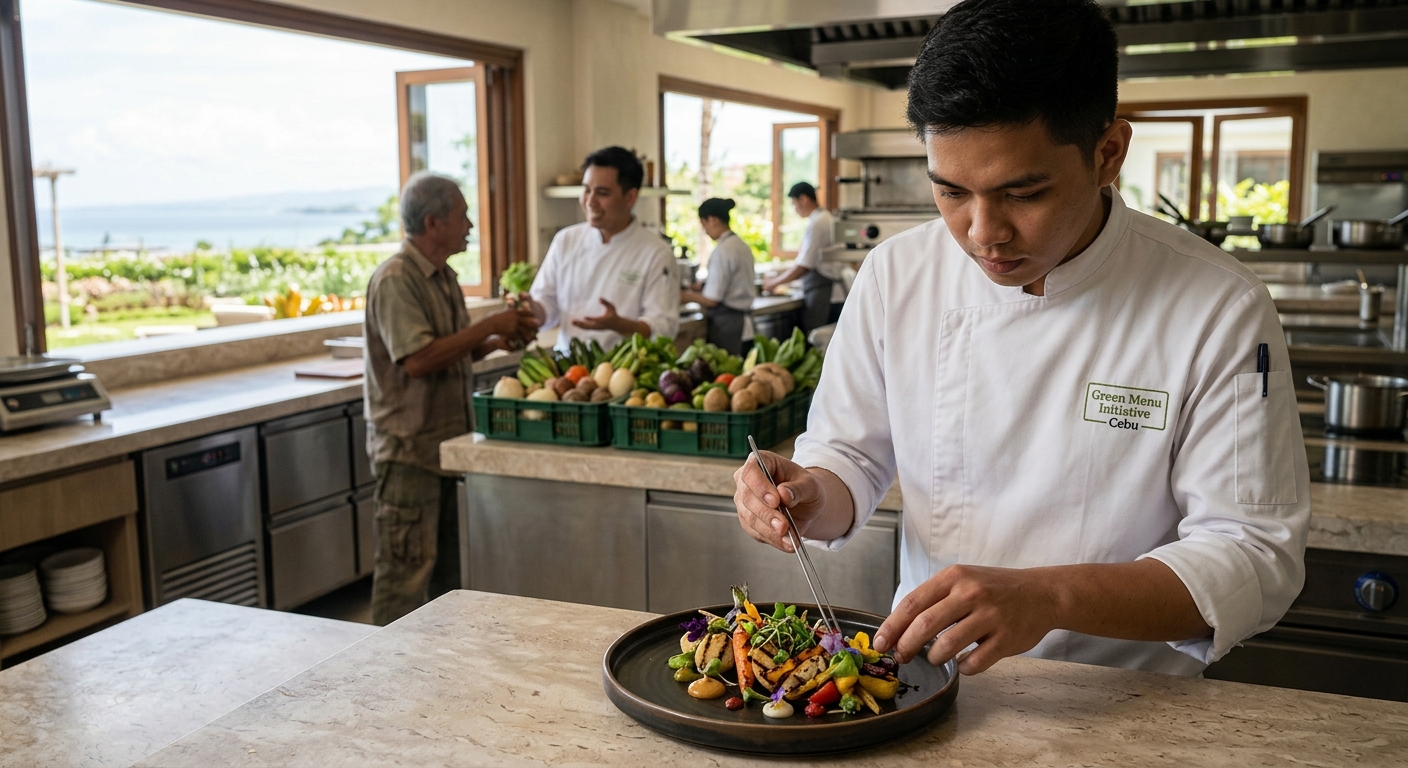
This commitment requires a massive overhaul of local supply chains. Hotels are now actively expanding their networks of local vegetable suppliers and training kitchen staff in advanced plant-based preparation techniques. According to Mia Singson-Leon, General Manager of Quest Hotel, this is an extension of Cebuano hospitality's care for the community and environment. By prioritizing local produce, these hotels are also supporting provincial farmers and reducing "food miles." The shift is expected to decrease greenhouse gas emissions and water usage across the participating properties. For the diner, this means a new variety of high-end, locally-sourced vegetarian and vegan options that don't sacrifice flavor.
The initiative has also earned A-grade sustainability ratings for several properties, enhancing Cebu's global reputation as a "responsible tourism" destination. International travelers are increasingly using "sustainability scorecards" to choose where they stay and eat, and Cebu’s proactive stance gives it a competitive edge. This movement is encouraging smaller independent restaurants to also consider more sustainable sourcing practices. As the program scales, it is creating a new culinary identity for the province that balances traditional heritage with modern ecological responsibility. Cebu is effectively proving that large-scale hospitality can be both profitable and planet-friendly.