Thailand, a long-standing titan in Southeast Asian tourism, is charting a significant new course, opting to pivot its focus towards high-yield travelers and luxury market growth. This strategic reorientation comes as other nations within the region, notably Vietnam, Indonesia, Singapore, Malaysia, Laos, Brunei, and the Philippines, solidify their positions as major global tourism players. For Filipinos globally, this development signals potential shifts in both employment opportunities and travel experiences across the region.
Differentiating Luxury Offerings in a Competitive ASEAN Market
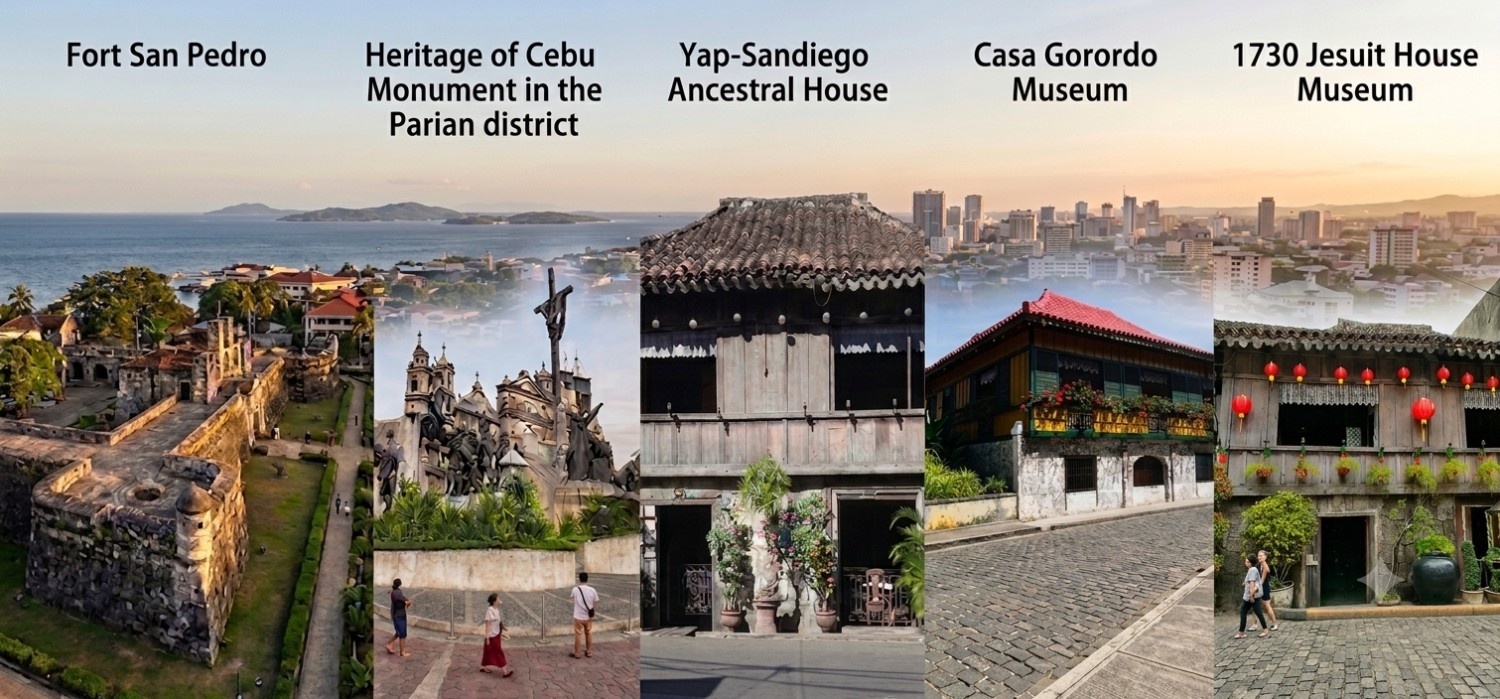
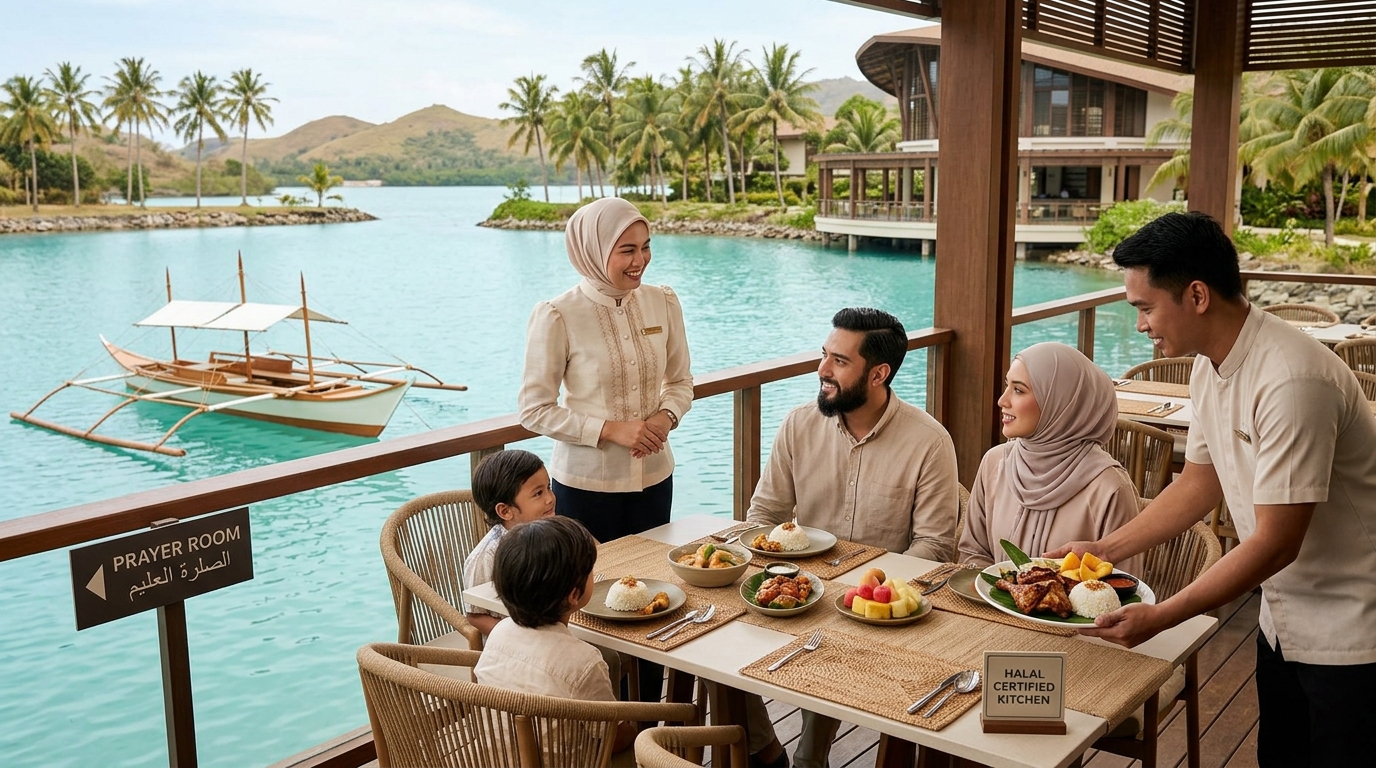
The move by Thailand, as reported by Travel And Tour World, indicates a competitive landscape where countries like the Philippines are increasingly recognized as "tourism titans." This rising competition from within ASEAN is compelling Thailand to differentiate its offering, moving away from mass tourism towards a more exclusive, higher-spending demographic. This could mean an increased emphasis on luxury resorts, bespoke experiences, and premium services designed to attract tourists willing to spend significantly more per visit.
Economic Implications for the Domestic and Expatriate Workforce
This strategic pivot by Thailand holds considerable implications for the regional economy and, specifically, for Filipinos. For the Philippines, its inclusion among Southeast Asia’s "Tourism Titans" is a testament to its growing appeal as a destination, potentially boosting its own tourism sector, creating domestic jobs, and attracting foreign investment. This could offer new avenues for employment for Filipinos at home, reducing the need to seek opportunities abroad. However, for Filipino overseas workers (OFWs) currently employed in Thailand’s vast tourism and hospitality industry, the shift towards luxury might necessitate adapting to new demands. While a luxury focus could create demand for highly skilled service professionals, it might also alter the availability of entry-level or mid-tier positions, potentially requiring upskilling or a re-evaluation of career paths for some. The change could also subtly influence the cost of living and specific job market requirements within Thailand's service sector.
Professional Adaptability and the Evolving Southeast Asian Experience
Filipino travelers should be aware that a visit to Thailand might increasingly lean towards more premium, potentially costlier, experiences if they wish to engage with the country’s primary tourism offerings. This doesn't mean budget travel will disappear, but the emphasis and marketing may shift. Conversely, the growing strength of the Philippines' own tourism sector presents an excellent opportunity for Filipinos to explore their homeland or for those abroad to consider returning to a robust domestic industry. For OFWs in Thailand’s tourism sector, staying informed about industry trends, pursuing further training, and understanding the evolving demands of the luxury market will be crucial. This regional dynamic underscores the importance of adaptability and continuous professional development, ensuring that Filipinos remain competitive and in demand across Southeast Asia's changing economic landscape.