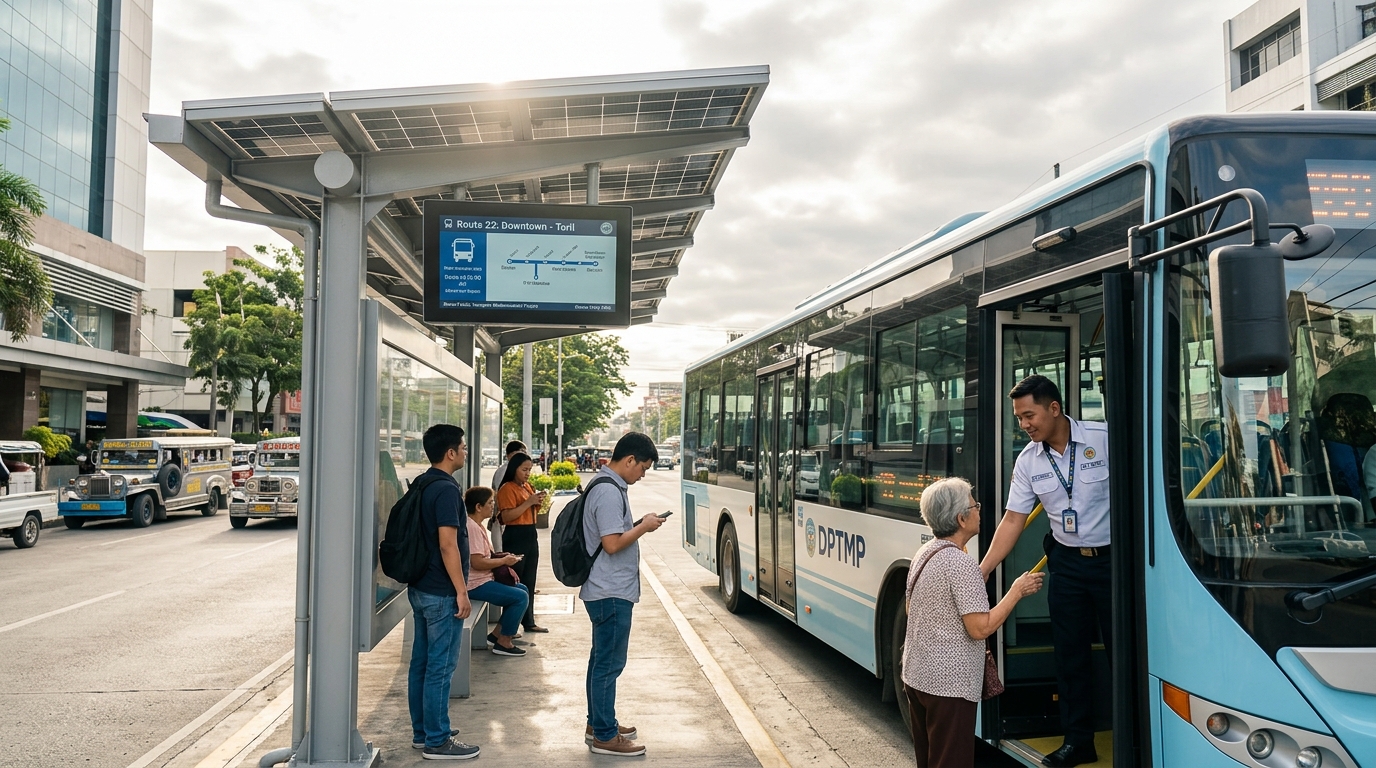
The transformation of Davao City’s streets took a significant leap forward on May 11, 2026, as officials conducted public sessions for the Davao Public Transport Modernization Project (DPTMP). This multi-billion-peso initiative, funded by the Asian Development Bank, aims to replace traditional public utility jeepneys (PUJs) with over 1,000 modern, climate-controlled buses. The integrated network will serve 185 barangays, promising a more "efficient and environmentally sustainable" commute for thousands of Davaoeños. For the 2026 commuter, this represents the end of the open-air jeepney era and the start of a "sophisticated transit" network.
Priority for Displaced Drivers
A central pillar of the rollout is the plan to hire 3,000 drivers to operate the new fleet, with strict priority given to affected PUJ drivers and operators. During the recent session at the Barangay 2-A Hall, project representatives emphasized that if drivers no longer wish to drive, they can endorse family members for the positions. This "Stability Anchor" approach is designed to mitigate the social impact of the transition. By offering formal employment with benefits, the city is turning a potentially disruptive change into a tool for social mobility.
Solar-Powered Commuter Comfort
The modernization isn't just about the buses; the project includes the construction of solar-powered bus shelters across the city. These high-tech stations will provide real-time information and protection from the elements, using renewable energy to power lighting and charging ports. This "Infrastructure Synergy" aligns with Davao's broader goal of becoming a "Smart City" in the southern Philippines. Commuters can look forward to a "Frictionless Travel" experience where waiting for a bus is as organized as the ride itself.
Clean Air and Organized Streets
Environmental sustainability is the primary driver behind the move to a bus-centric system. By consolidating passengers into modern vehicles, the city expects a drastic reduction in carbon emissions and traffic congestion. The "Clean Air" benefits are being touted as a major win for the city's long-term health and livability. As of May 13, the Information, Education, and Communication (IEC) campaigns continue to roll out across different districts to ensure every Davaoeño is ready for the "Transit Shift".