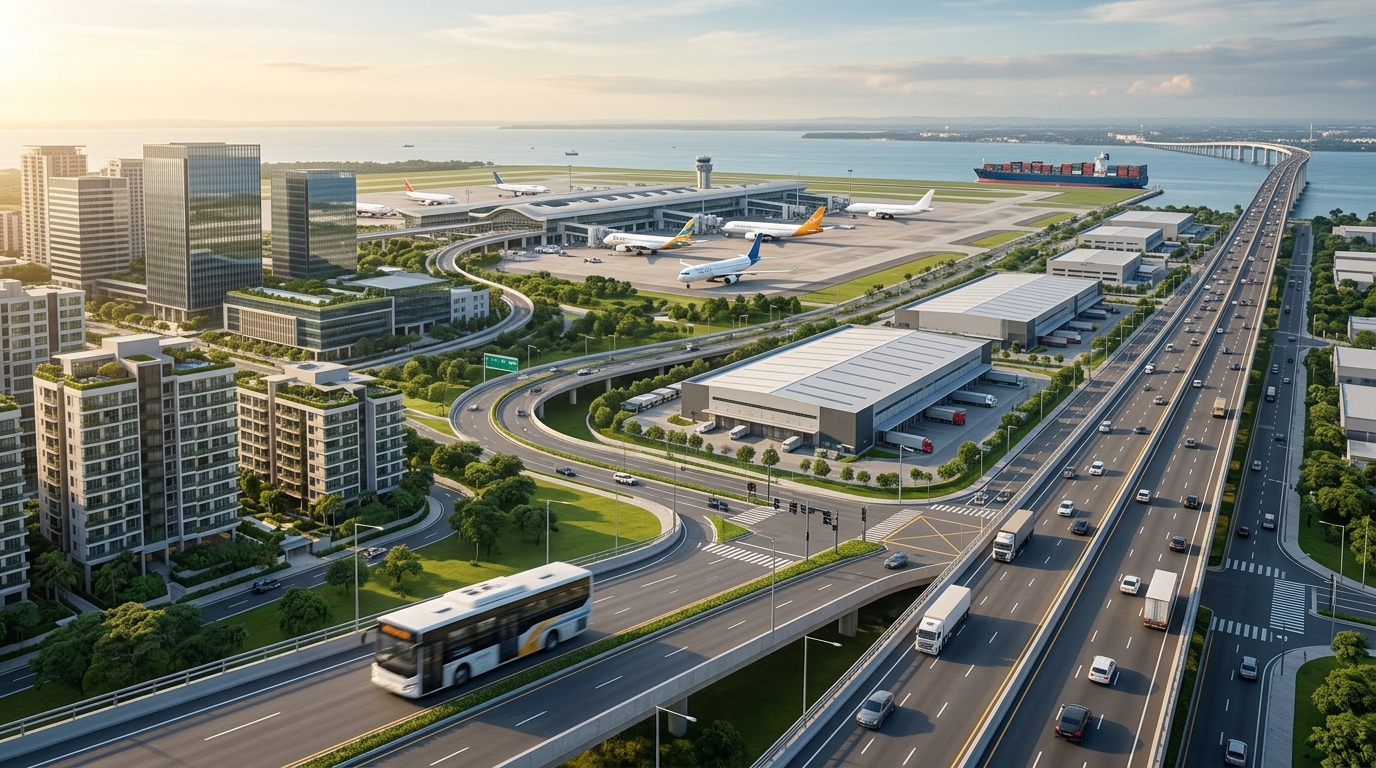
By April 2026, the Mactan-Cebu International Airport (MCIA) has evolved into a full-scale "Aerotropolis," influencing real estate and logistics far beyond the runway. The integration of the dedicated airport bus rapid transit and the proximity to the Cebu-Cordova Link Expressway (CCLEX) has turned Lapu-Lapu City into a high-velocity economic zone.
The Velocity-Centric Narrative
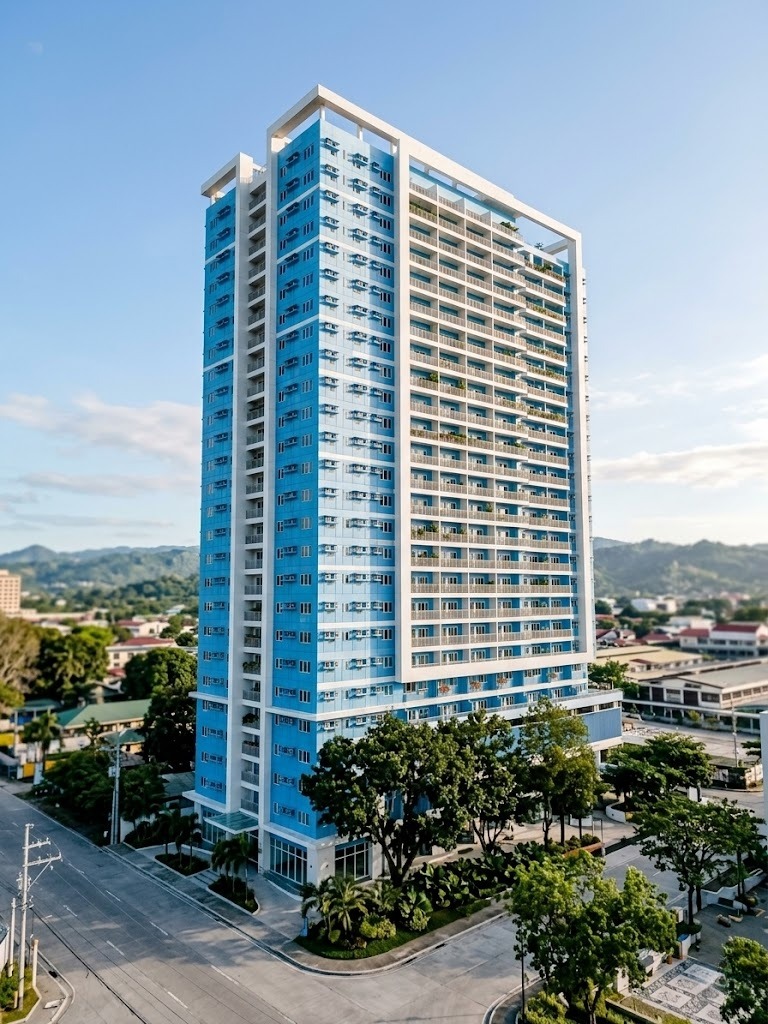
For the northern Mactan corridor, the story is one of logistical fluidity and global integration. The "Aerotropolis" concept treats the airport as a city center, attracting businesses that rely on rapid transit and international connectivity. This has led to a surge in demand for premium office spaces and "airport-lifestyle" condos that cater to multinational executives and frequent flyers. For the 2026 investor, Mactan is no longer just a tourist island; it is a critical node in the Southeast Asian supply chain.
Industrial Real Estate and "Last-Mile" Efficiency
This movement is driving a reconfiguration of industrial spaces in Lapu-Lapu and nearby Mandaue. Developers are moving away from traditional warehousing toward high-tech "fulfillment centers" that utilize the airport’s increased cargo capacity. The proximity to CCLEX allows these hubs to service the southern Cebu market with unprecedented speed, reducing delivery times significantly. This efficiency is attracting e-commerce giants and cold-storage providers who require immediate access to both air and sea routes.
The Urban Integration Shift
Local governance is supporting this growth by implementing "Smart City" traffic management around the airport perimeter. New flyovers and dedicated transit lanes are being fast-tracked to ensure that the increased commercial volume does not stifle local mobility. This infrastructure boom is also enhancing the residential appeal of the area, as residents benefit from improved roads and utilities. By late 2026, the Mactan Aerotropolis is expected to be the primary driver of employment for the central Visayas region.