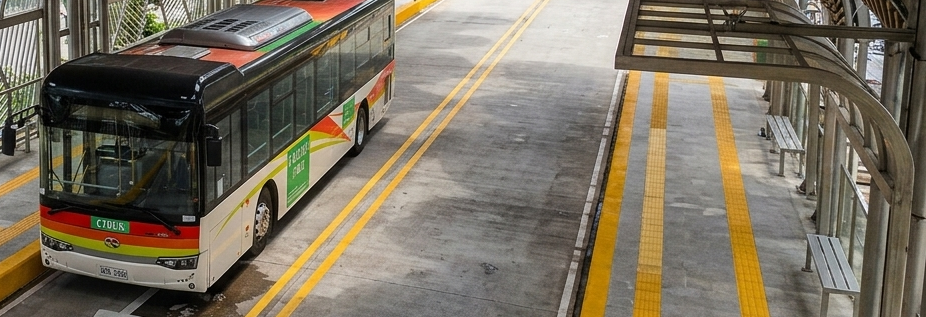
After 13 years of anticipation, the Cebu Bus Rapid Transit (CBRT) Phase 1 has officially hit the road. At least 17 high-capacity units are now plying the route between the South Road Properties (SRP) and Cebu IT Park, offering a "smooth transition" for daily commuters. However, with the World Bank loan set to expire in September 2026, the Department of Transportation (DOTr) has confirmed a pivot to a Public-Private Partnership (PPP) model for Phases 2 and 3. This transition is essential to ensure the system is operated under global standards, similar to the Curitiba model in Brazil.
Initial Commuter Intelligence
The pilot run has shown that traffic conditions remain "manageable" even with dedicated lanes, provided the 30-second station-stop rule is strictly followed. Commuters have praised the air-conditioned, wide-body buses for providing a "dignified" alternative to traditional jeepneys during peak hours. The DOTr is currently subsidizing these rides through the "Libreng Sakay" program to encourage a permanent habit shift among private car owners. This behavioral change is the most critical factor in solving the city's long-term traffic problem.
The PPP "Way to Go"
Transportation officials have clarified that a PPP arrangement is the only way to ensure the system’s longevity and operational excellence. Private sector groups in Cebu have already expressed strong interest in taking over the management of the dedicated median lanes and stations. This shift allows the government to offload the financial risk of Phases 2A and 3A, which are 95% complete in design but still require logistical finalization. The goal is to have a world-class operator on board before the end of the current administration.
Integrating Urban Planning
Following the Curitiba model, the CBRT is being integrated into the city’s broader urban planning to encourage population dispersal away from the congested downtown core. New "Transit-Oriented Developments" (TODs) are already popping up around the major bus stations, offering affordable housing for workers in the IT Park. This integration ensures that the BRT isn't just a transport project but a tool for social equity and urban renewal. The 10-kilometer route is just the beginning of a city-wide mobility revolution.