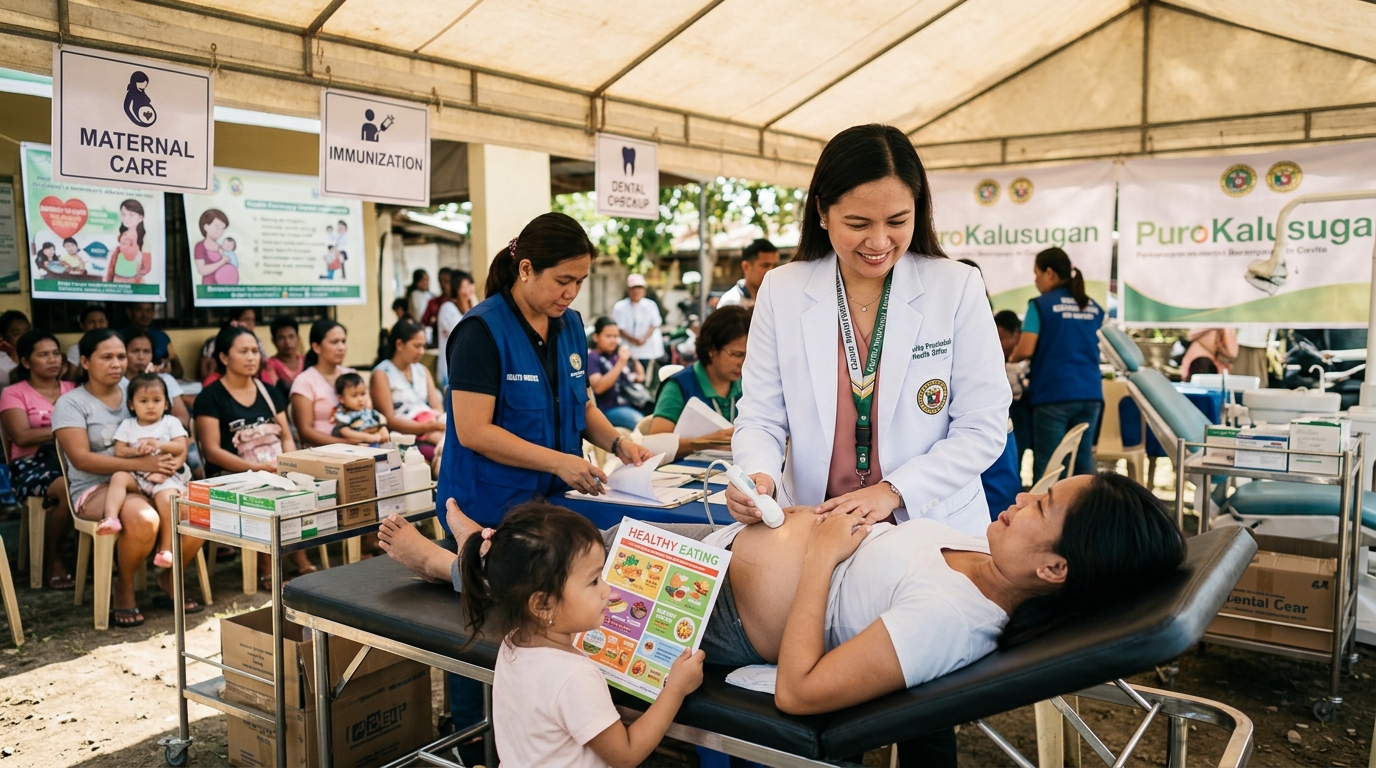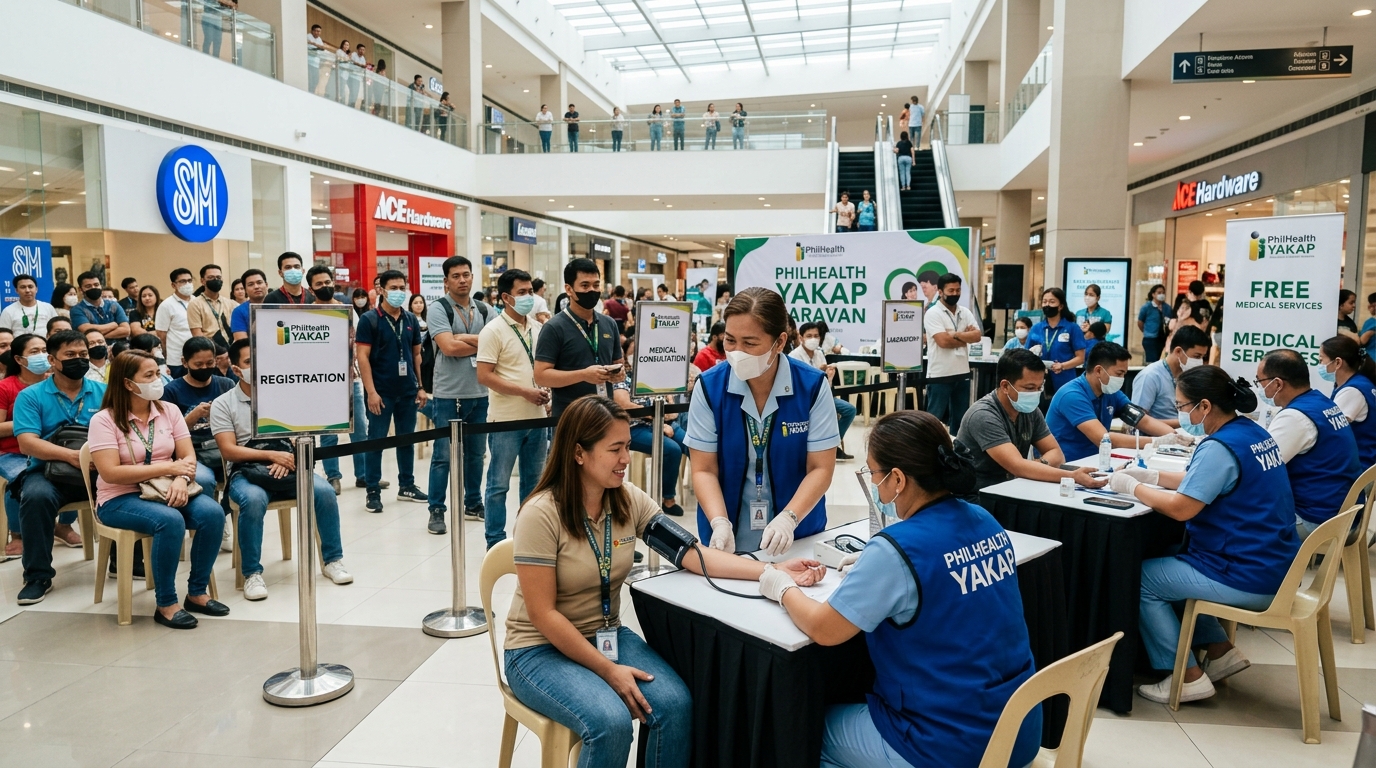
Cagayan de Oro is currently blurring the lines between commercial leisure and essential healthcare through a groundbreaking mall-based medical outreach program. To mark the beginning of May, the city hosted the PhilHealth YAKAP caravan at SM Downtown, transforming a high-traffic shopping destination into a comprehensive clinic for the local workforce. More than 400 workers and their families were able to access free physical exams, laboratory tests, and medicines without the typical barriers of a hospital environment. For the 2026 resident, this shift signals a future where "preventive maintenance" for the human body is as convenient as a weekend shopping trip.
Breaking the Clinical Barrier
The "YAKAP" (Yaman ng Kalusugan Program) caravan is designed to provide a "preventive shield" that catches health issues before they escalate into expensive medical emergencies. By setting up diagnostic stations within the air-conditioned comfort of SM Downtown, the program removes the "white-coat anxiety" and long travel times often associated with government hospitals. Participants this week were able to consult with doctors and receive their results in real-time while moving through their daily errands. This strategy acknowledges that a healthy workforce is the backbone of the regional economy, and that accessibility is the key to achieving universal healthcare.
Data-Driven Diagnostics for the Masses
The caravan provided a wide array of laboratory services, allowing workers to choose their preferred providers for more complex diagnostic needs. This competitive yet inclusive approach ensures that the data gathered from these screenings can be used to track the general wellness of the community and identify emerging health trends. Local health officials noted that the turnout among transport workers and retail staff was particularly high, indicating a strong demand for medical services that respect the busy schedules of laborers. The success of this mall-based model has set a template for future health interventions that leverage existing urban infrastructure.
The Future of the Mobile Clinic
Encouraged by the high participation rates, organizers are now looking to expand this model to the city’s more remote districts, including the upland barangays where healthcare access remains a challenge. The partnership between PhilHealth and the city government demonstrates a commitment to "reaching the unreached" by moving the clinic to where the people are. Farmers and rural workers have expressed hope that similar caravans will soon visit their hinterland communities, bringing the same level of diagnostic excellence to the mountains. This evolving healthcare roadmap ensures that as the city modernizes, no citizen is left behind in the pursuit of a longer, healthier life.