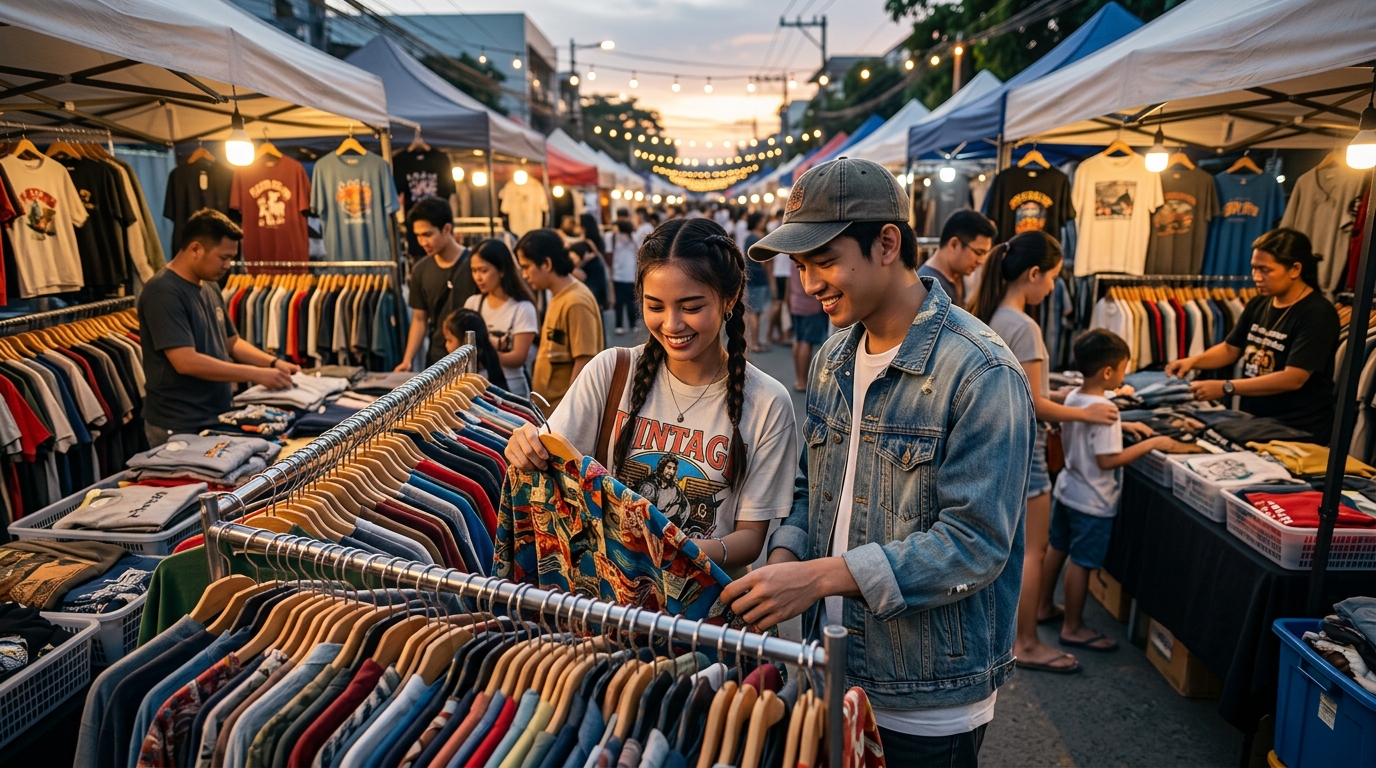
Davao City has officially solidified its status as the "thrift capital" of Mindanao this May, as the ukay-ukay industry undergoes a massive cultural and digital transformation. Driven by a combination of economic inflation and a growing desire for sustainable fashion, the second-hand trade has evolved from a budget necessity into a high-energy lifestyle statement. From the bustling midnight rows of the Roxas Night Market to curated digital showrooms on TikTok, the hunt for unique, imported garments from Japan and the U.S. is now a mainstream hobby for Dabawenyo students and professionals alike. This "pre-loved" revolution is not just about saving money; it is about reclaiming individuality in an era of mass-produced mall fashion.
The Engine of the Mindanao Trade
At the heart of this retail surge is Gempesaw Street, the primary wholesale distribution artery where bulk shipments from around the globe are unbaled for regional retailers. As of May 2026, the street serves as a critical link in the supply chain, supplying everyone from small-scale market vendors to high-end digital curators. This logistical advantage allows Davao to offer a diversity of styles—ranging from vintage streetwear to premium outerwear—that are often unavailable in standard retail outlets. For local entrepreneurs, the ability to source these high-fidelity goods at wholesale prices has created a thriving ecosystem of "thrift-preneurs" who are redefining the city's economic landscape.
Midnight Hunts and Sunrise Bargains
The city’s geography of thrift is anchored by the iconic Roxas Night Market, where half of the avenue is dedicated to a vibrant display of shoes, bags, and apparel until the stroke of midnight. For those who prefer an earlier start, the Bankerohan Public Market comes alive as early as 4:00 AM, offering a "raw" digging experience for the most dedicated bargain hunters. These physical hubs, including the dense clusters along San Pedro Street and the Sunday displays at Agdao Public Market, provide a tactile, communal experience that digital platforms cannot fully replicate. These markets act as the city's "fashion lab," where the next season's trends are often discovered in a pile of clothes before they ever hit a runway.
Digital Curation and the Style Shift
While the physical markets remain the soul of the trade, 2026 has seen a massive migration of Davao’s thrift scene into the digital space. Local entrepreneurs are now using TikTok and Instagram to sell curated, pre-washed, and professionally styled "drops" that cater to a more time-sensitive, brand-conscious demographic. This digital rebranding has successfully destigmatized second-hand clothing, framing it as a sustainable and eco-friendly choice for the modern consumer. As Davao continues to grow as a regional powerhouse, the ukay-ukay trend proves that the most stylish future is one that values the character and history of the clothes we choose to wear.