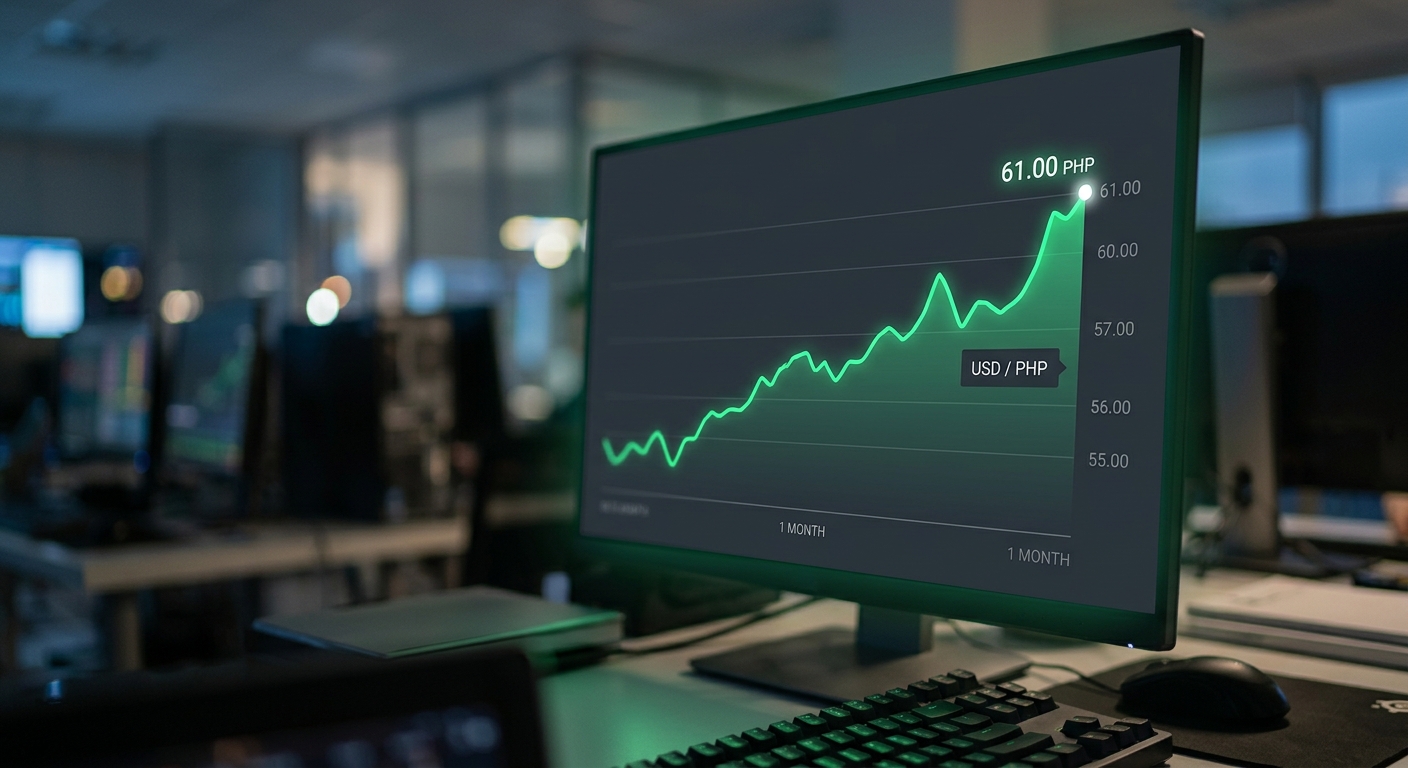
The relentless shift in global currency dynamics has pushed the Philippine peso to historic lows against the surging greenback, stirring widespread conversation across local financial sectors. While the local currency regularly trades past the ₱61.50 per US dollar mark this May, the national reaction is sharply divided between macroeconomic anxiety and domestic celebration. For everyday consumers and local businesses on the ground, a weakening currency signals immediate pressure on the price of imported goods and utilities. However, on the flip side of this economic coin, millions of modern-day Filipino heroes see this fiscal climate as an unprecedented financial blessing.
The Household Windfall for Modern Heroes
For families relying heavily on financial support from abroad, the current exchange rate serves as a massive buffer against the rising cost of domestic living. When an overseas worker sends home a standard hard-currency remittance, that fixed foreign amount magically translates into thousands of additional pesos compared to historical averages. According to recent regional deployment reports from the Department of Migrant Workers, this extra cash flow is going directly toward primary household needs, securing more robust grocery baskets and settling utility debts comfortably. Instead of merely scraping by, recipient households are leveraging the powerful greenback to comfortably absorb escalating local costs without sacrificing their quality of life.
Fueling Long-Term Wealth and Investments
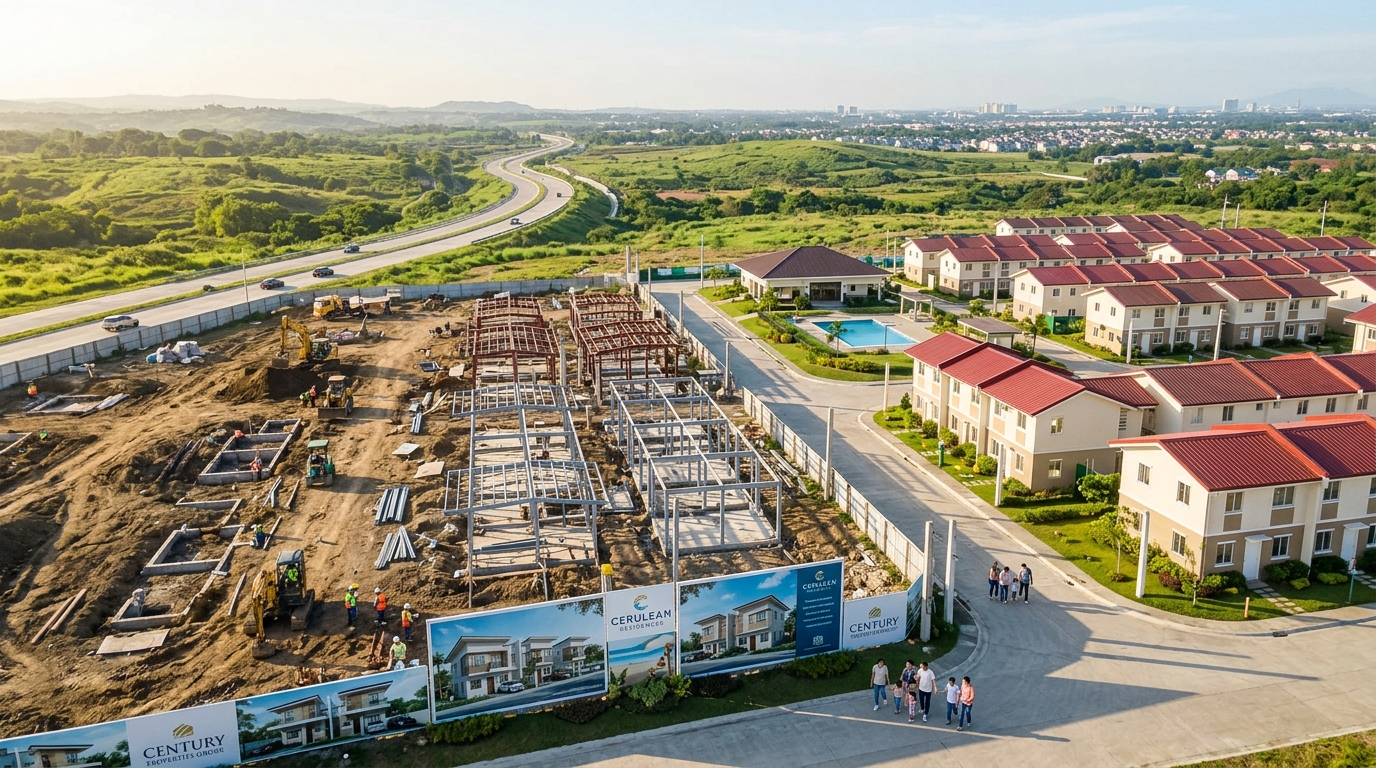
Beyond the immediate benefit of paying for weekly grocery trips, the strong dollar is opening doors for families to pursue meaningful long-term financial security. Real estate developers across Metro Manila and booming provincial hubs have reported a sharp spike in inquiries from migrant workers looking to lock in property assets while their foreign earnings hold immense leverage. Financial consultants point out that extra currency conversion spreads are being funneled directly into high-yield savings vehicles, micro-agribusinesses, and educational tuition funds. By transforming a fluid exchange rate advantage into tangible, income-generating assets, migrant families are building a resilient financial safety net that will remain long after global currency markets stabilize.