As the summer heat intensifies this April, Bohol has emerged as the definitive alternative to the country’s more crowded hubs. Anchored by the Philippines' first "eco-airport," the province is proving that sustainable infrastructure is the most powerful magnet for the modern, environmentally conscious traveler.
The "Green Arrival" Narrative
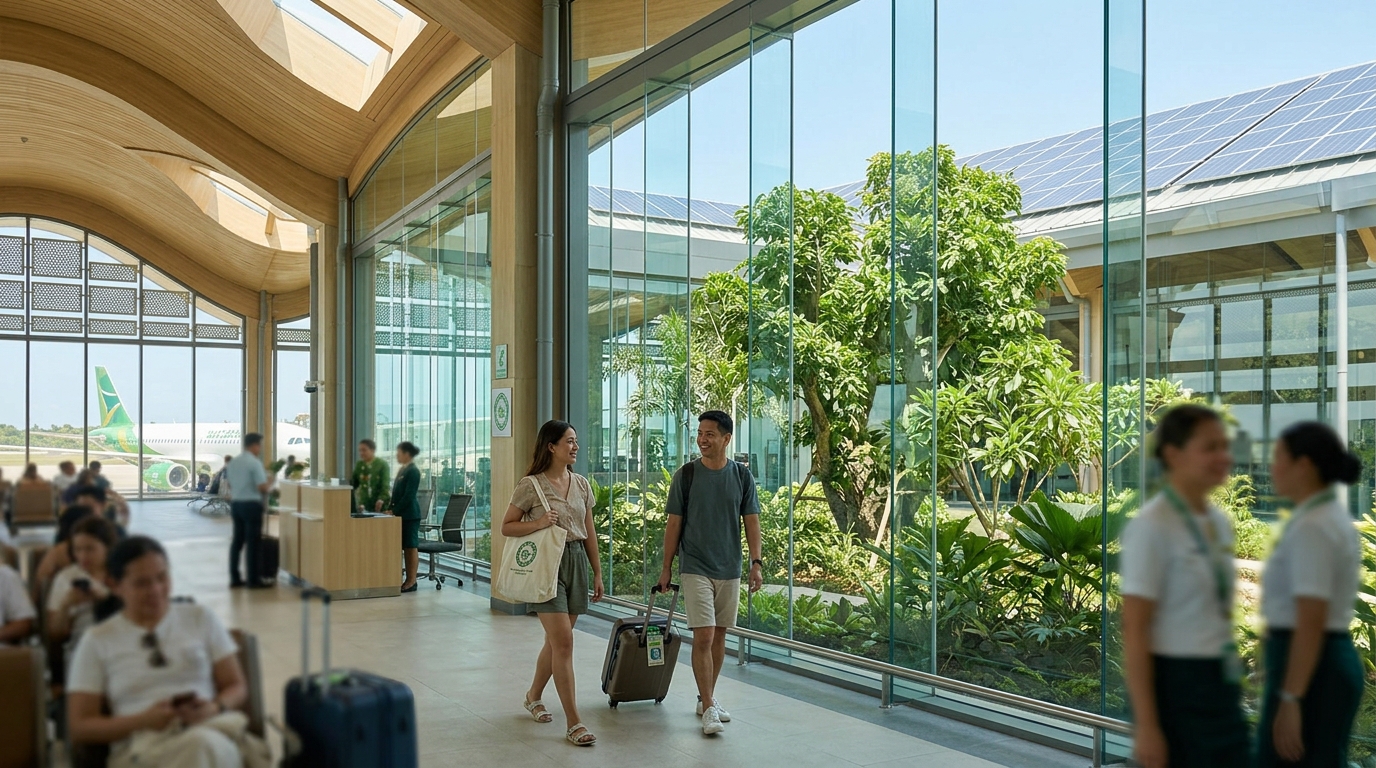
For the 2026 traveler, the story begins before they even leave the terminal. The Bohol-Panglao International Airport has set a new regional benchmark as the country’s first "eco-airport," utilizing natural ventilation, solar energy, and rainwater collection systems to minimize its carbon footprint. This April, visitors are increasingly citing the airport's 1,700-tree landscape and sustainable operations as a key factor in their destination choice. This alignment between infrastructure and environmental stewardship is a cornerstone of the province's 2026 tourism strategy. It ensures that the increase in arrivals does not come at the cost of the very natural beauty travelers come to see.
Diversifying Beyond the Chocolate Hills
This movement is driving increased foot traffic to "Secondary" eco-destinations such as the Anda Long White Beach and Pahangog Falls in Dimiao. While the Chocolate Hills remain an icon, the 2026 summer crowd is looking for quieter, nature-driven retreats that offer a balance of adventure and tranquility. The Danajon Bank—the only double-barrier reef in Southeast Asia—is also seeing a surge in interest as a vital marine sanctuary for eco-tourism. By promoting these diverse sites, the provincial government is successfully preventing over-tourism in Panglao while boosting the economies of outlying municipalities. For the 2026 visitor, Bohol is now a multi-layered journey of geological and marine discovery.
Infrastructure for Long-Term Growth
Local officials emphasize that improved connectivity is the lifeline of the 2026 tourism economy. The airport's design, which emphasizes sustainability, mirrors the province's broader goal of balancing economic progress with environmental protection. This "Future-Forward" approach is attracting long-stay visitors who prioritize destinations with clear conservation mandates. As summer arrivals peak this April, the provincial tourism council is using real-time data from the airport to monitor carrying capacities at sensitive sites. This proactive management ensures that Bohol remains a "Premium Sustainable" brand in the global market.