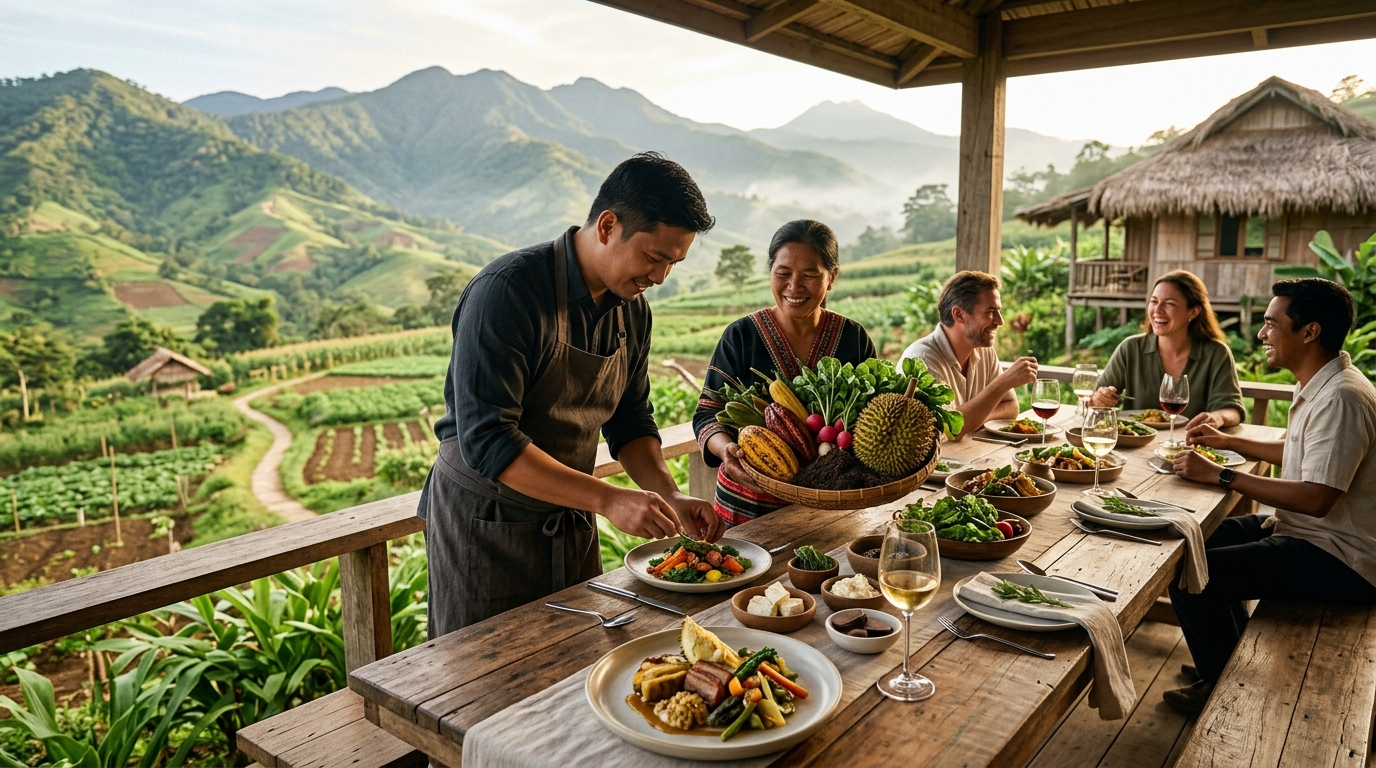
April 2026 — The culinary landscape of Davao has shifted toward the highlands of Marilog and Eden, where a new wave of "Agri-Gastronomy" is taking hold. Local chefs are collaborating with high-altitude farms to create seasonal menus that focus on Davao’s unique "Volcanic Soil" produce, from heirloom cacao to cold-climate vegetables.
The Rooted Flavor Narrative
For Davao’s gastronomy scene, the story is about the luxury of freshness and the prestige of the source. Moving away from the generic mall-based dining, the 2026 palate is gravitating toward mountain resorts that offer "interactive harvests" followed by professionally curated meals. This trend highlights the city's role as the fruit basket of the Philippines, turning traditional agriculture into a high-value tourism asset. For the 2026 diner, a trip to the highlands is not just for the view; it is a pilgrimage to the source of Mindanao’s most authentic flavors.
Culinary Innovation and Heritage Ingredients
This movement is driving innovation in local fermentation and preserving techniques, specifically with indigenous fruits like durian and pomelo. Modern kitchens in Marilog are experiment with "Durian-Infused" savory dishes and locally produced artisanal cheeses, attracting curious food critics from across the ASEAN region. This focus on "Hyper-Local" sourcing is creating a sustainable economic link between urban hospitality and rural highland farmers. The provincial government is supporting this by designating "Gastronomy Zones" to protect agricultural lands from over-development.
Economic Ripple and Weekend Tourism
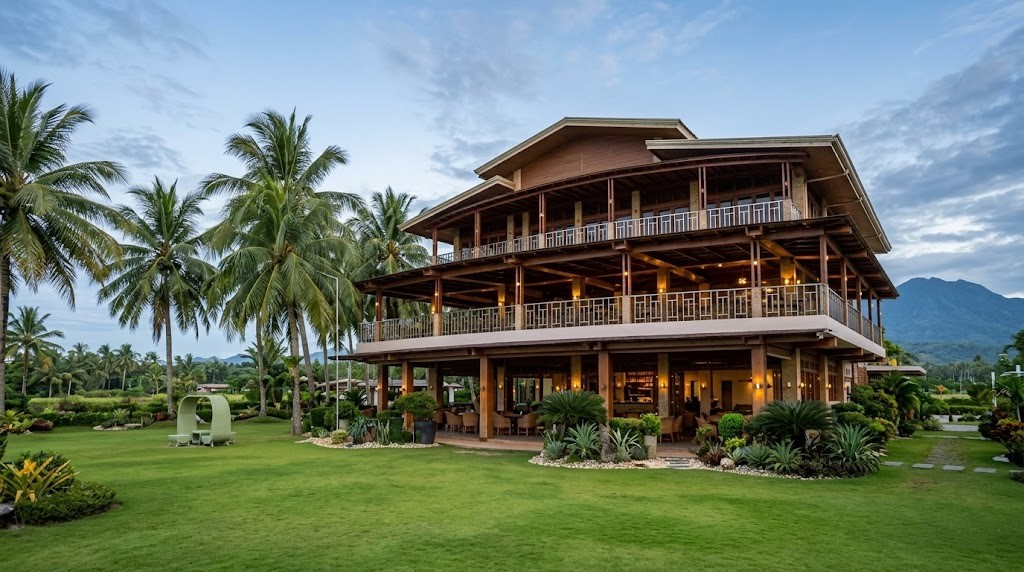
The surge in highland dining is boosting the occupancy rates of boutique mountain lodges and eco-villas in the area. Weekend travelers are now booking "Culinary Staycations" months in advance, driving a new hospitality niche that blends luxury comfort with rustic outdoor dining. This demographic spends significantly more on local artisanal products, such as tablea and highland coffee, than traditional day-trippers. By late 2026, Davao’s highland corridor is expected to be a primary pillar of the city’s "Green Tourism" strategy.