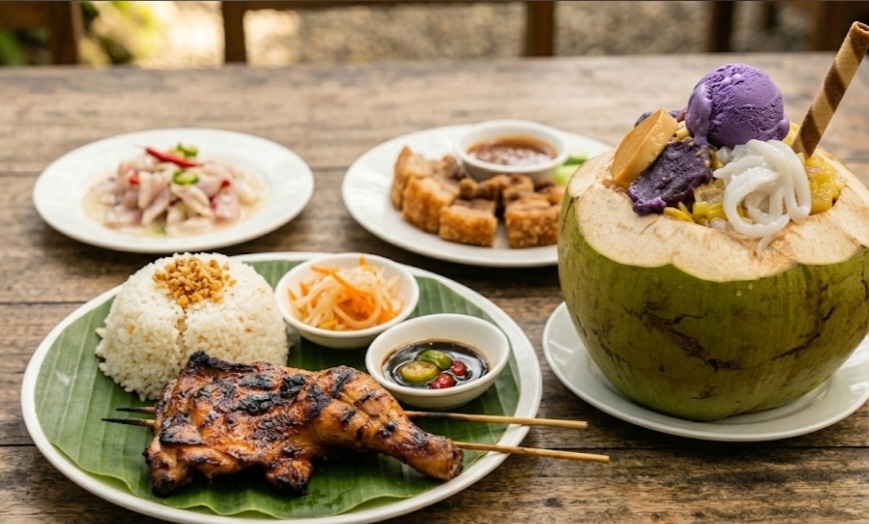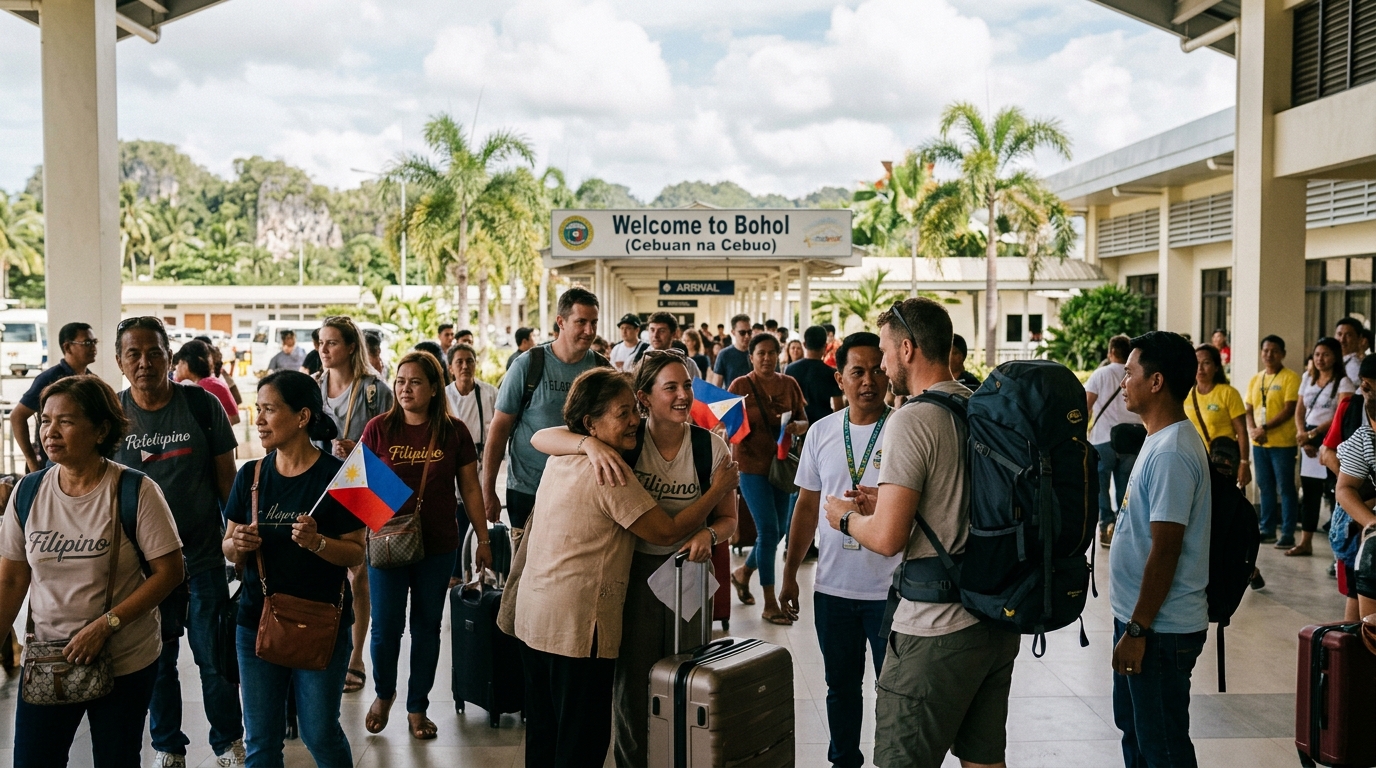
Bohol is currently navigating its legendary "Fiesta Month," a period where the province transforms into a massive, interconnected community banquet. As of May 1st 2026, the island is witnessing a significant "reverse exodus" as thousands of Boholanos return from across the globe to honor a sacred social contract: the town fiesta. This tradition is not merely a series of parties but a profound display of radical generosity, where households—regardless of their economic standing—open their homes to anyone seeking a meal. From the bustling capital of Tagbilaran to the quietest mountain sitios, the rhythm of daily life has shifted to accommodate a marathon of culinary celebration.
The Sacred Ritual of the Morning Table
The true soul of Boholano hospitality reveals itself long before the main feast begins, found in the quiet morning rituals of sikwate and puto maya. In historic towns like Baclayon, residents gather at dawn to pair thick, pure cacao chocolate with ginger-infused glutinous rice, a combination that serves as the province's ultimate liquid gold. This May, the tradition is seeing a commercial boost from direct international charter flights, which have brought a fresh wave of travelers eager to experience these ancestral flavors. It is a time when the "slow food" movement is practiced naturally, with every cup of chocolate telling a story of the island's deep-rooted cacao heritage.
Panglao’s Organic Revolution at the Bee Farm
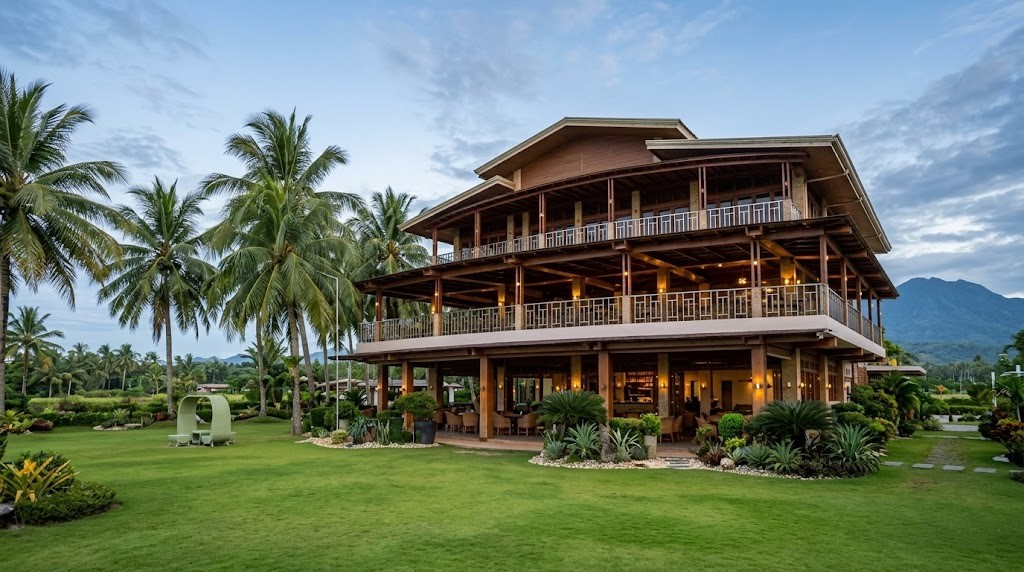
While the traditional feasts focus on rich heritage meats, the Bohol Bee Farm in Panglao is drawing a different crowd this May with its innovative farm-to-table innovations. The farm has become a sanctuary for travelers looking for a modern twist on indigenous ingredients, serving up viral hits like malunggay ice cream and cassava-crust pizzas. This destination remains the premier anchor for organic dining on the island, proving that Bohol can balance its heavy fiesta traditions with high-fidelity health trends. The sprawling garden setting provides a quiet reprieve from the high-energy celebrations happening in the town plazas across the mainland.
Economic Vibrancy Through 'Kompra sa Tagbi'
The festive atmosphere is currently fueling a flourishing local food economy through initiatives like "Kompra sa Tagbi," which is reportedly injecting nearly ₱600,000 daily into the local market. This surge ensures that iconic heritage restaurants like Gerarda’s and the bustling stalls in Jagna remain well-stocked for the influx of visitors. Even as the province balances these celebrations with a call for community resilience, the sheer volume of trade underscores the economic importance of the fiesta season. For anyone visiting this week, the island feels as though it might sink under the weight of the festivities, yet it never loses its trademark sense of welcome and order.