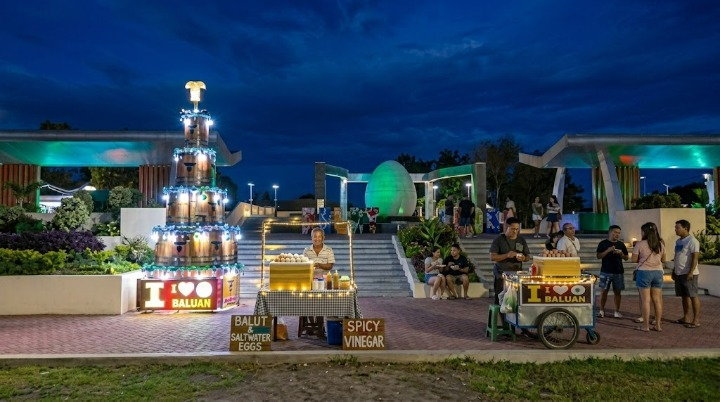
General Santos City is currently defining the peak of Southern Philippine street-food culture as of 2026, with the Baluan Balut Park leading the city’s move into organized gastronomic tourism. Located strategically within the Baluan Plaza, this dedicated food park acts as a primary anchor for the city's roadmap of "Urban Decentralization," specializing in the iconic duck embryo that has long been a staple of the region's culinary identity. By blending a modern, open-air layout with decorative LED installations and a giant "Balut" monument, the establishment has trended as a high energy sanctuary for both local families and curious travelers. For the 2026 visitor, a trip to Baluan effectively turns a simple street snack into a sophisticated ritual of appreciating "community-centric" urban planning.
The Architecture of Street Food Excellence
The park's design is a response to the city’s goal of professionalizing its street food sector, providing vendors with a centralized and regulated space to showcase their products. This May, the park is bustling with families and night shift workers who converge to enjoy not just balut, but an array of grilled delicacies and local refreshments. By providing consistent lighting, seating, and waste management, the local government has successfully turned a simple street snack into a high-energy "food park" experience. This organized approach ensures that the culinary heritage of the region is preserved in a safe, hygienic environment that appeals to both locals and international tourists alike.
Fostering a Resilient Micro-Economy
Beyond the symbolic value of the food, Baluan Balut Park acts as a vital economic engine for the small scale duck farmers and street vendors of the Sarangani Gensan. This ecosystem creates a direct to consumer pipeline that allows local producers to maximize their earnings while keeping prices accessible for the public. The success of the park has encouraged other barangays in the city to explore similar "specialized food zones," proving that niche culinary tourism is a viable roadmap for urban growth. This resilient model of trade ensures that even in periods of global economic shift, the local food culture remains a stable source of livelihood for hundreds of Kagay-anon families.
The Social Fabric of the Night Market
As the sun sets over the Tuna Capital, the park transforms into a multi generational social hub where the barriers of the workday disappear in favor of communal dining. This "social ritual" is a cornerstone of the city’s identity, as residents from all walks of life share tables and stories over bowls of spicy vinegar and warm duck eggs. Local influencers and travelers often highlight the park as a must visit because it captures the authentic pulse of the city’s nightlife without the noise of typical entertainment districts. This commitment to community-centric spaces ensures that General Santos remains a city where tradition and modern urban living are perfectly in sync.