Before the City Fully Wakes Up
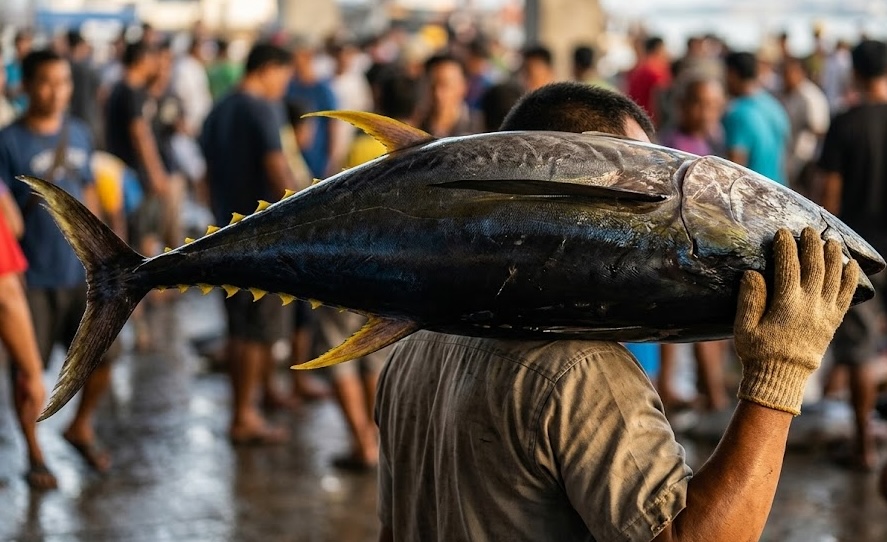
Long before office workers and students begin their day, activity is already underway near General Santos City's seafood trading areas. Fish handlers, buyers, restaurant suppliers, and market vendors gather before sunrise to inspect and purchase the latest catch from local fishing vessels. The entire process moves with remarkable efficiency, shaped by years of experience and tradition among those whose livelihoods depend on the sea. For visitors, witnessing these early morning routines offers a unique perspective on the city. It reveals a community built on hard work, cooperation, and an enduring relationship with the fishing industry that continues to sustain thousands of families.
The Journey from Port to Plate
The fresh tuna that arrives in General Santos City's markets quickly begins its journey from port to plate. Within hours, it reaches restaurants, public markets, and household kitchens across the city. Chefs highly value the exceptional quality of the seafood, while local diners have developed a deep appreciation for dishes that emphasize freshness and natural flavors rather than complicated preparation. The city's culinary identity has grown beyond grilled tuna, embracing sashimi, kinilaw, and various traditional recipes that showcase local ingredients. These dishes not only satisfy appetites but also celebrate the city's rich fishing heritage and long-standing connection to the sea.
A Living Piece of the City's Character
For many residents, the tuna market is far more than a place of commerce and trade. It serves as a symbol of continuity, community, and shared history. Generations of families have worked within the fishing industry, passing down skills, traditions, and values that continue to shape the identity of General Santos City. The market represents the dedication and resilience of the people whose lives are intertwined with the sea. Visitors who experience these lively early morning scenes often leave with a deeper appreciation of why General Santos proudly carries the title of the Tuna Capital of the Philippines and remains closely connected to its maritime roots.