April 2026 marks the official celebration of Filipino Food Month, and Cebu is at the forefront of the movement to redefine traditional recipes. This year's focus is on "unbounded" flavors, encouraging chefs to break away from rigid standards to explore new local ingredients.
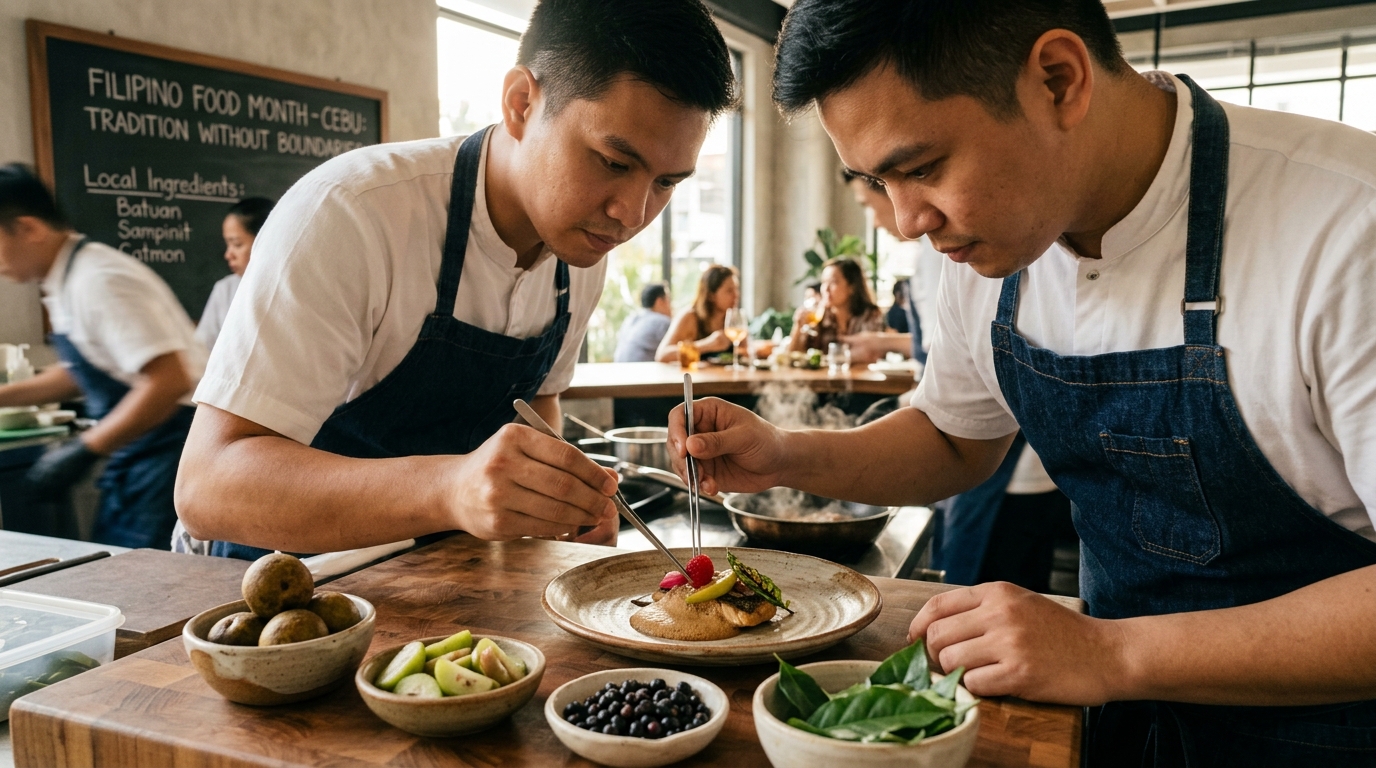
The culinary narrative for this month is "Tradition Without Boundaries." Chefs across the province are moving away from "Lola’s standard" to create recipes that reflect contemporary Cebuano life. This involves using a wider variety of heritage souring ingredients like kamias, catmon, and batuan, the latter of which is now being used in modern cordials and iced teas. The goal is to elevate local ingredients that were previously considered "backyard" or ordinary. This innovation is drawing a new crowd of culinary tourists who are eager to experience the "next era" of Philippine gastronomy.
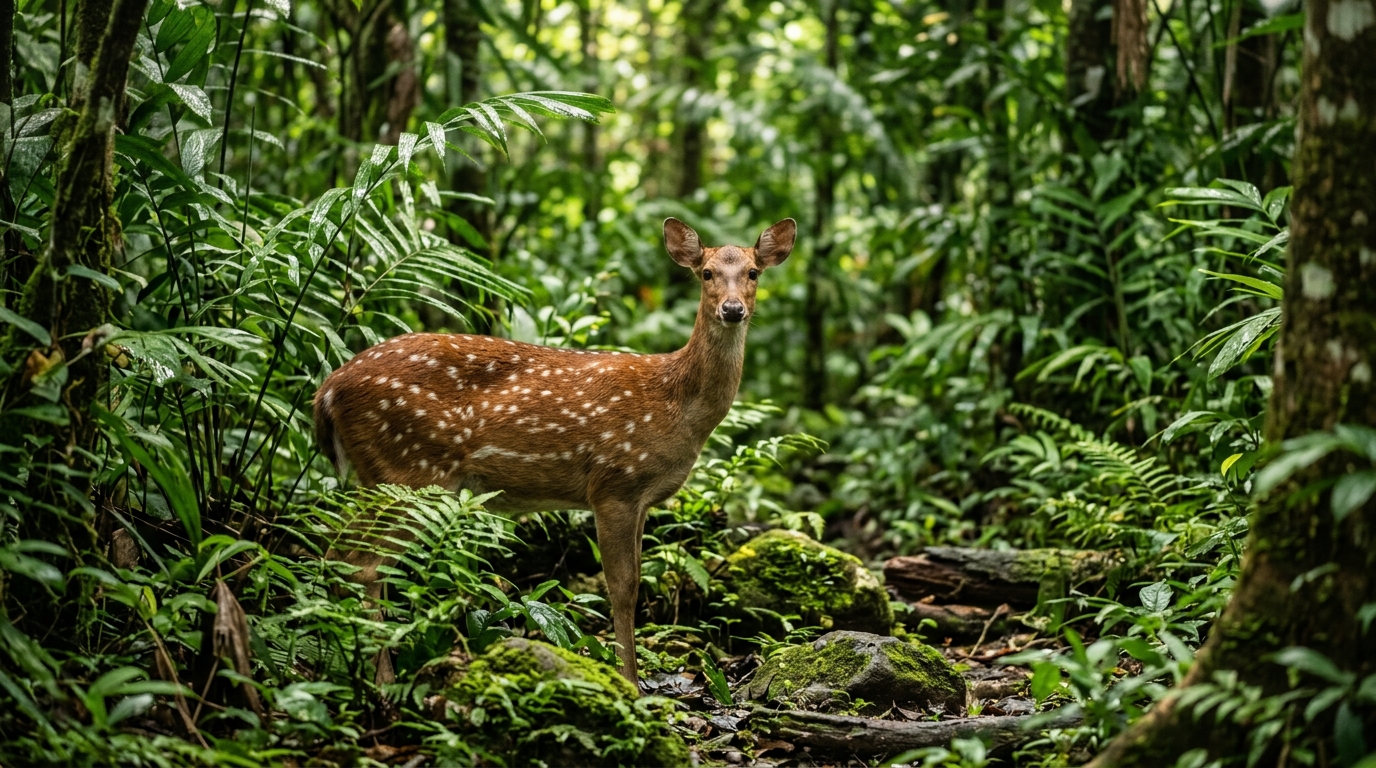
This cultural celebration is also a major driver for the local restaurant economy during the summer season. Special menus featuring "foraged and hiked" ingredients like sampinit and lipote are being featured in pop-up events and fine-dining bistros. The trend encourages diners to look at their own geography in a different way, valuing the biodiversity of the Visayas. Social media pages dedicated to local ingredient research have seen a surge in engagement, creating a digital community of food enthusiasts. For the restaurant owner, FFM is a chance to experiment and test new dishes that could become permanent fixtures on their menus.
By opening their hearts and minds to these "new versions" of classics, the Cebuano food scene is becoming more inclusive and experimental. The celebration emphasizes that recipes are not confined to specific provinces but travel and evolve through people and history. This makes the dining experience in Cebu more dynamic than ever before. As the month progresses, more "gastronomy trails" are being launched to connect diners with the origins of these unique ingredients. Filipino Food Month is not just a celebration of the past; it is a laboratory for the future of Cebuano cuisine.