The New Third Place
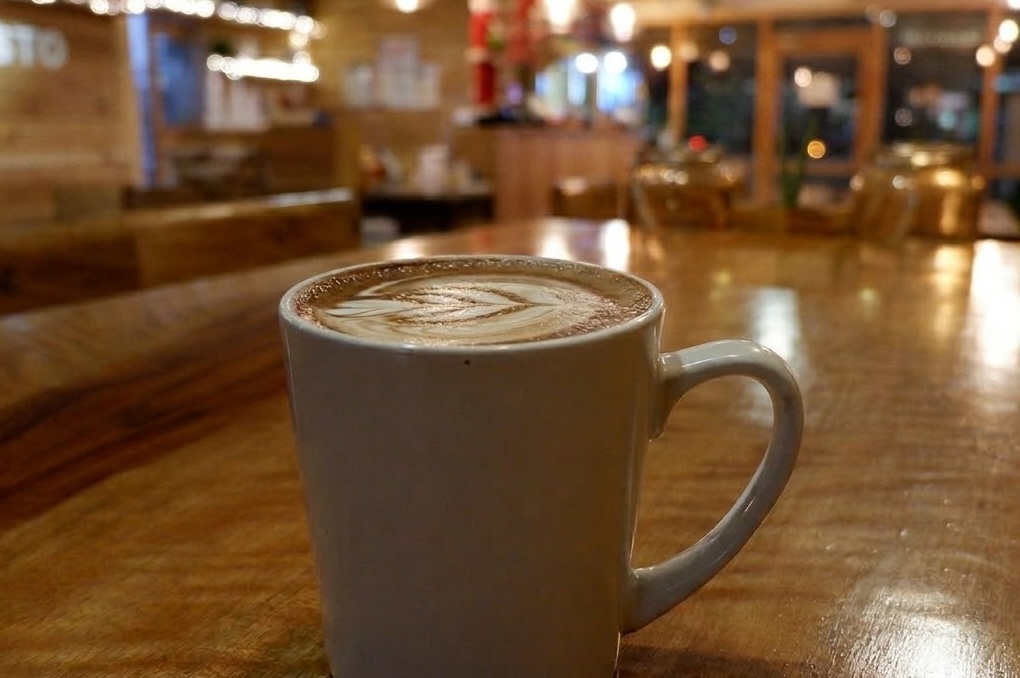
Sociologists often describe a "third place" as somewhere people spend time outside home and work. In Ozamiz, cafés increasingly fill that role. Students bring laptops, freelancers work through projects, and friends gather for extended conversations. Unlike traditional dining establishments, cafés encourage people to stay longer. Their relaxed environment allows customers to move between work and leisure without feeling rushed. This flexibility has made them popular among different age groups.
A Different Kind of Routine
Modern café visits are no longer limited to mornings. Some customers arrive after lunch and remain through the afternoon. Others use coffee shops as informal meeting spaces. The atmosphere appeals to people looking for a change of scenery while remaining productive. These habits reflect broader shifts in lifestyle, where flexibility and comfort have become important factors in deciding where to spend time.
Spaces Built Around Connection
While coffee remains the main attraction, many patrons return because of the environment. Familiar faces, friendly staff, and comfortable surroundings create a sense of community. In smaller cities, these spaces often become gathering points where conversations begin naturally. The growth of café culture in Ozamiz shows how everyday places can shape social life and influence how people experience their city.