
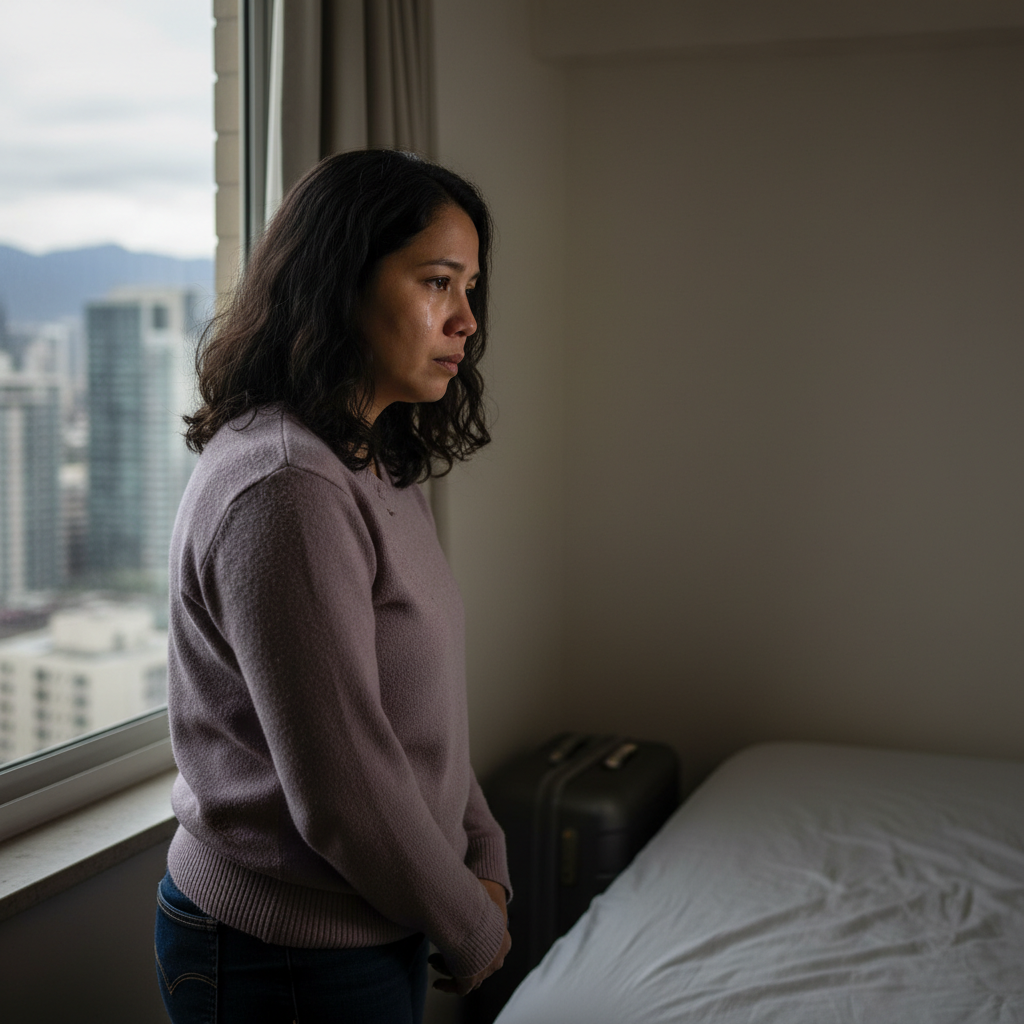
A recent study, as reported by Inquirer.net, reveals a poignant truth for the global Filipino diaspora: Filipinos constitute the highest percentage among migrants who report experiencing homesickness. This finding sheds light on the often-unseen emotional toll carried by millions of Filipinos who leave their homeland in pursuit of better opportunities and to support their families back in the Philippines.
The Emotional Weight of Familial Displacement
While the specific methodology or scale of the study was not detailed in the report, its central conclusion resonates profoundly with the lived experiences of countless Filipinos working and residing overseas. The deep-seated cultural emphasis on family unity, tight-knit communities, and a vibrant social fabric often makes the transition to a foreign land particularly challenging. For many, the decision to migrate is driven by economic necessity, transforming them into pillars of support for their loved ones, but also isolating them from the very people they strive to uplift.
Addressing the Silent Burden of Separation
This revelation is crucial for understanding the holistic well-being of overseas Filipino workers. Homesickness is not merely a sentimental longing; it can manifest as severe emotional distress, contributing to mental health issues like anxiety and depression. The emotional burden can impact productivity, social integration, and overall quality of life for Filipinos navigating new environments. Furthermore, it highlights the immense personal sacrifice made by every OFW, whose remittances are a significant driver of the Philippine economy, yet whose emotional struggles often go unacknowledged or unsupported. It calls for greater awareness and more robust support systems from host countries, employers, and the Philippine government.
Building Empathy and Resilience for the Global Diaspora
For Filipinos living abroad, understanding that homesickness is a widely shared experience can be validating. It underscores the importance of building strong support networks within Filipino communities overseas, utilizing technology to maintain connections with family, and prioritizing mental health. Employers and governments in countries hosting large numbers of Filipino workers should also recognize these unique vulnerabilities and implement programs that foster cultural integration, provide mental health resources, and facilitate family connections. Ultimately, recognizing this silent burden is the first step towards creating a more empathetic and supportive global environment for all Filipinos contributing to economies worldwide.