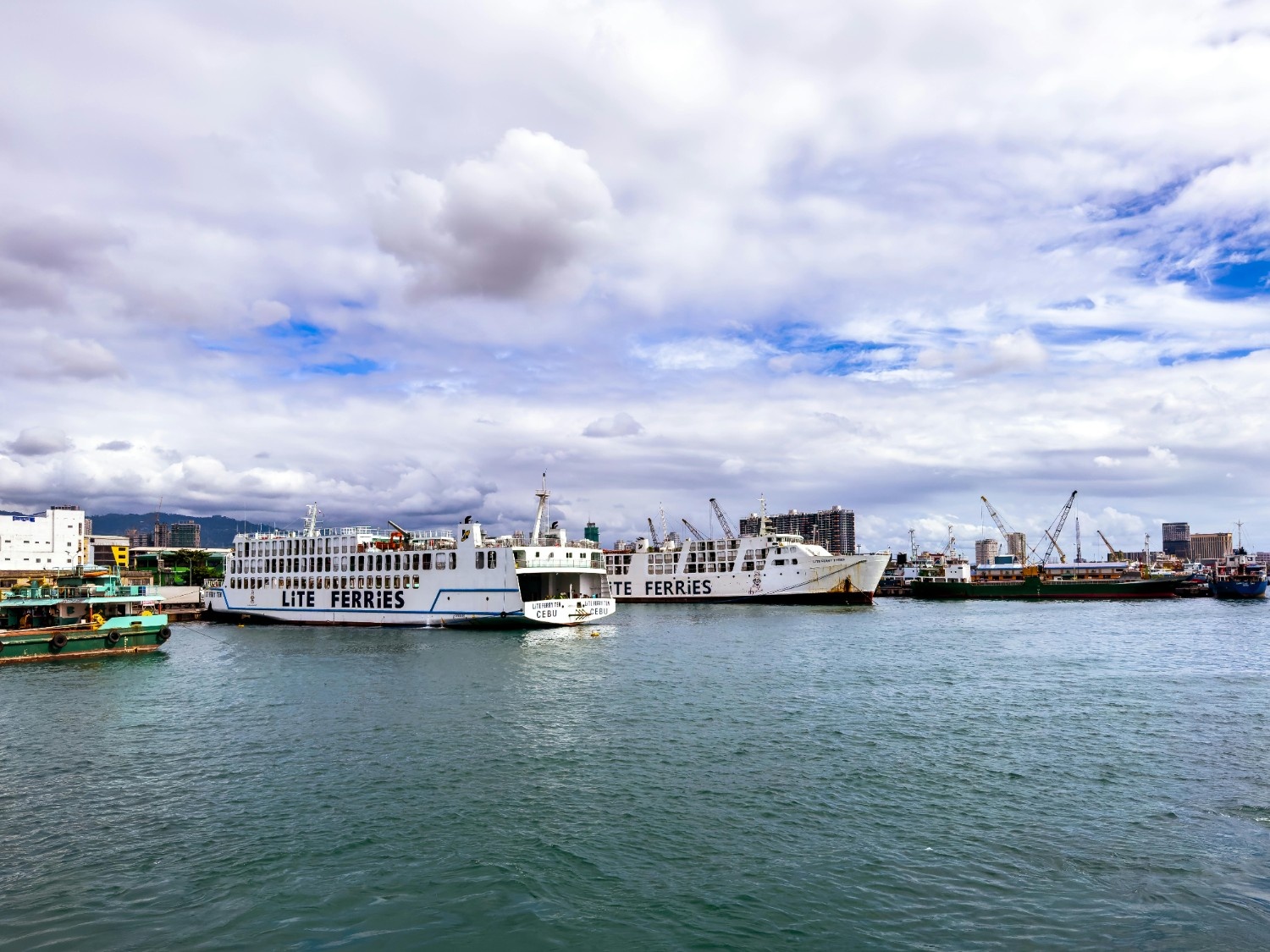
The Mactan Channel is getting a much-needed breathing room. Starting today, a sweeping maritime relief package has taken effect, aiming to keep the gears of Cebu’s trade and tourism turning despite the global energy crisis that has gripped the country this month.
Suspending the "Travel Friction"
For the 2026 traveler, the story is about the "Terminal Zero" experience across Cebu’s ports. Starting today, April 18, the CPA has implemented Memorandum Circular No. 4, which effectively removes passenger terminal fees for the next two months. This intervention is a direct response to the fuel-driven increase in shipping fares, intended to absorb the cost of maintaining port facilities so that travel remains affordable for the public. By eliminating these fees, the government is hoping to sustain the momentum of local tourism during the peak summer season. It is a calculated move to keep the regional ferries and fast-crafts running at near-capacity despite rising operational costs.
Reducing the "Supply Chain" Pressure
This movement is also driving significant discounts for the maritime logistics sector. The CPA has granted a 40% discount on berthing and anchorage fees for domestic vessels, alongside a total waiver of wharfage fees for vehicles transporting purely agricultural products. This "Logistics Shield" is critical for maintaining the stable price of food and basic commodities across the Visayas, as Cebu serves as the primary transshipment hub for the region. Shipping lines are being urged to pass these savings directly to consumers, potentially preventing further hikes in cargo and passenger rates. By reducing these "hidden" port costs, the CPA is effectively subsidizing the flow of trade during a period of high volatility.
Austerity and Energy Resilience at the Port
To offset the revenue loss from these fee waivers, the CPA has rolled out a series of internal "Austerity Protocols." These measures include a transition to a four-day workweek for non-frontline personnel and the expanded use of solar lighting across port terminals. These energy-saving initiatives are part of a broader 2026 mandate for government agencies to reduce their resource consumption during the national energy emergency. Despite these cuts, the agency has guaranteed that essential services like security, sanitation, and emergency response will continue without interruption. It is a masterclass in "Crisis-Era Management," where the focus remains on protecting the stakeholder while optimizing the internal budget.