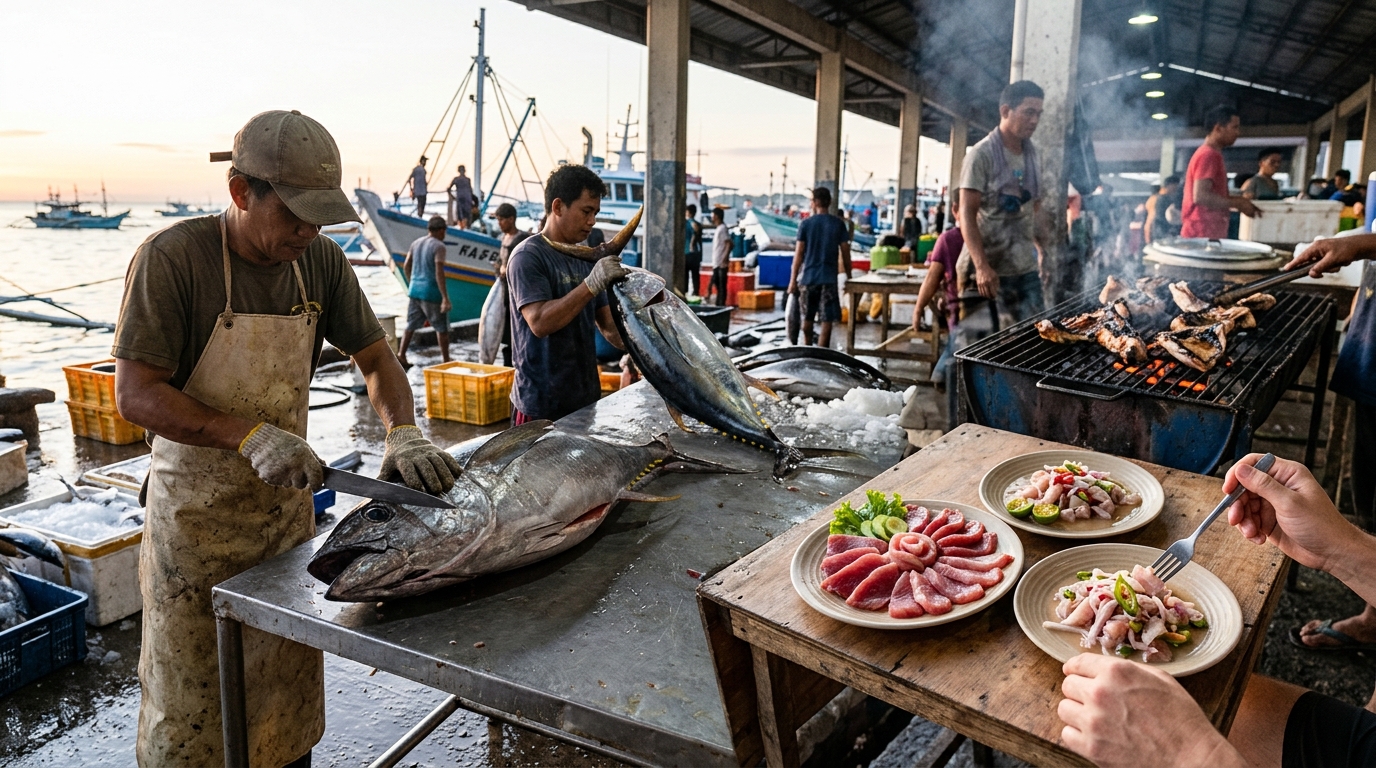
General Santos City, affectionately known as GenSan, is currently doubling down on its identity as the "Tuna Capital of the Philippines" by transforming its industrial muscle into a world-class gastronomic experience. As of 2026, the city has successfully integrated its fish port operations with curated "Tuna Adventours," allowing visitors to see the 5:00 AM grading of export-quality yellowfin before tasting it just hours later. With the local government’s recent ₱2-million "Lunsod Lunsad" grant for food tourism, GenSan is no longer just a transshipment hub; it is a destination where the "sea-to-table" philosophy is practiced with unrivaled freshness and scale.
Mastering the Iconic Tuna Panga
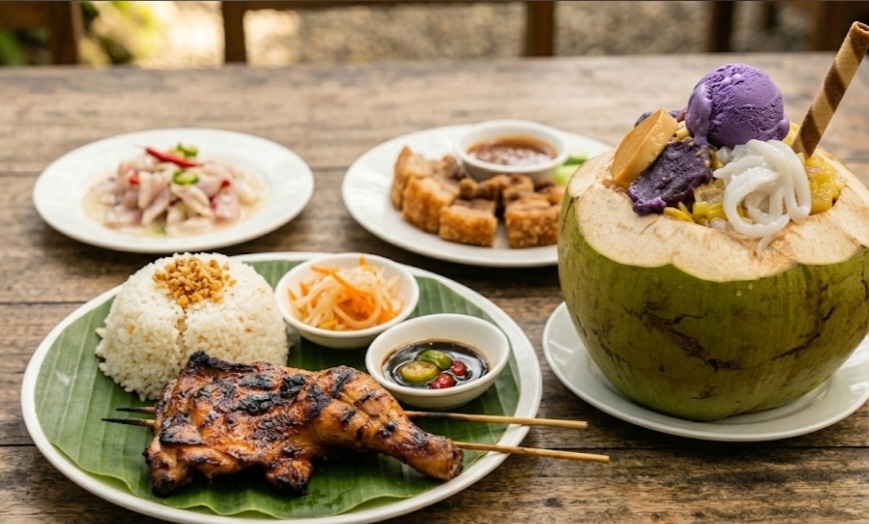
The undisputed crown jewel of GenSan’s dining scene remains the Tuna Panga (Grilled Tuna Jaw), a dish that defines the city's smoky, savory profile. Local institutions like Tiongson Arcade and Nadie’s continue to draw massive crowds this May, serving jaws that are marinated in a blend of soy sauce, calamansi, and secret local spices before being char-grilled to a glistening finish. The panga is prized for its hidden pockets of tender, fatty meat that offer a texture unlike any other part of the fish. It is a communal experience that perfectly represents the generous and festive spirit of the "Generals," making it the top requirement for any visiting foodie.
From Sashimi to ‘Tuna Lechon’
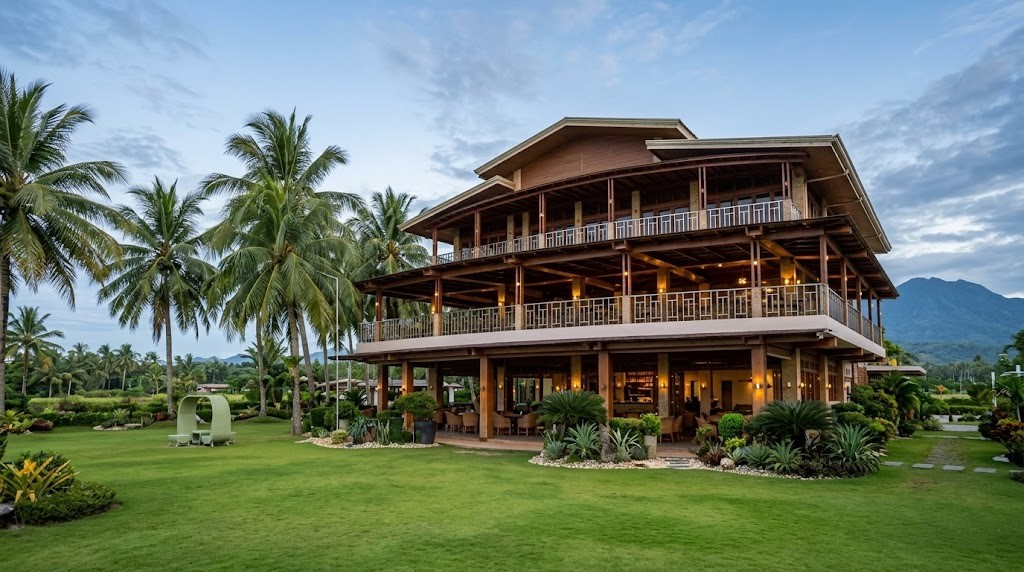
While the city is famous for its grilled fare, its "sashimi-grade" reputation means that raw preparations like Tuna Kinilaw and fresh Sashimi are baseline expectations for every meal. In a bold 2026 culinary move, high-end resorts like Sarangani Highlands have even popularized "Tuna Lechon"—an entire tuna, often weighing over 30 kilograms, slow-roasted like a traditional pig. For those seeking more adventurous textures, the city’s eateries also serve Bagaybay (tuna sperm sac) and Bihod (roe) on sizzling plates, often seasoned with a spicy soy-butter glaze. These dishes highlight the city’s "zero-waste" approach to its most prized resource, ensuring that every part of the giant yellowfin is celebrated.
The Future of Food Tourism in the South
Beyond the traditional grills, GenSan is evolving its food industry by incorporating Halal-certified dining and fusion concepts like Tuna Dinakdakan. The 2026 tourism roadmap includes the development of agricultural zones in Tambler and Fatima to pair the city's seafood with emerging grape and dragon fruit farms. This diversification aims to provide a "holistic Mindanaoan feast," where the richness of the sea meets the fresh bounty of the highlands. As the city prepares for the 2026 Tuna Festival this coming September, the current May "food crawl" season serves as a vibrant preview of a city that is hungry for global recognition.