The most famous sandbar in the Visayas is finally breathing again. After months of stricter environmental controls, Bohol’s Virgin Island has reopened this April with a new set of rules that prove "paradise" is a privilege that must be earned through protection.
The "Protected Paradise" Narrative
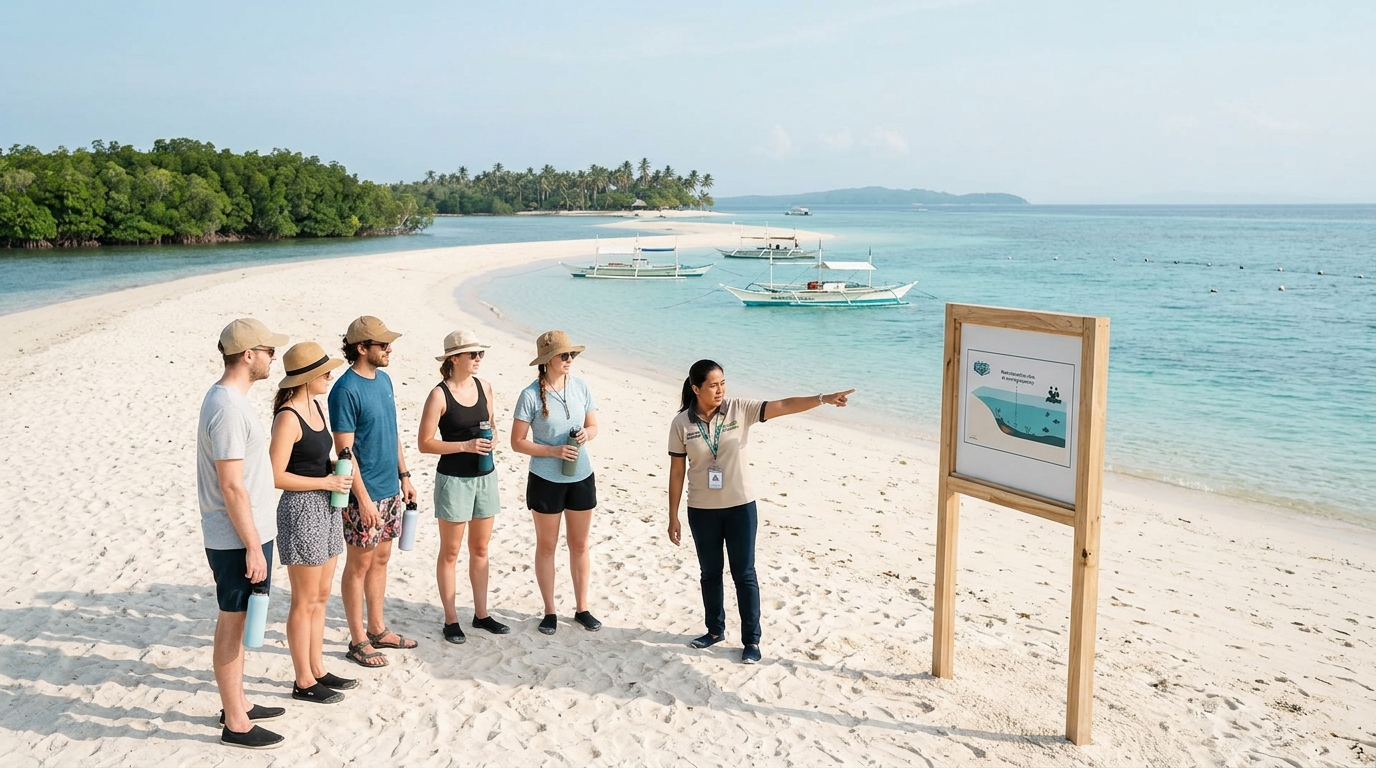
For the 2026 island hopper, the story is about the enforcement of "Responsible Leisure." Following its reopening in February and the full implementation of rules this April, the provincial government has capped daily visitor numbers and banned certain activities that previously led to reef degradation. This "Protected Status" is a direct response to past environmental issues, ensuring that the island remains a viable tourism asset for decades to come. Visitors are now required to undergo a brief environmental orientation before stepping onto the sandbar. This shift from "unregulated access" to "managed experiences" is the new gold standard for Bohol’s maritime tourism.
Digital Monitoring of Carrying Capacity
This movement is driving the adoption of the "Digital Visitor Management System" to monitor real-time flow at sensitive sites. The system allows authorities to perform root-cause analysis of service disruptions and prevent the "over-tourism" that plagued the island in previous years. By integrating this tech, the Provincial Tourism Council can ensure that the environmental carrying capacity is never exceeded, even during the peak summer months of April and May. This innovation-led approach is a key highlight of Bohol’s 2026 Strategic Governance Roadmap. For the 2026 traveler, the "Smart" experience begins the moment they book their boat.
Collaborative Community Enforcement
Local government units (LGUs) are now playing a central role in the day-to-day management of these marine sites. The reopening of Virgin Island was a collaborative effort between the provincial government, local boat operators, and environmental scientists. These stakeholders have been trained as "Frontliners of the Geopark," empowered to enforce rules and educate guests on reef safety. This community-led enforcement ensures that the economic benefits of tourism are balanced with the need for ecological preservation. By the end of April, these stricter guidelines are expected to serve as the blueprint for all marine sites across the UNESCO Global Geopark.