The Carbon Public Market redevelopment has shattered a major legal hurdle as of April 2026, marking a pivotal moment in Cebu City's urban evolution. Presiding Judge Dante Corminal of the Regional Trial Court Branch 16 officially cleared the path for the ₱8-billion joint venture between the city government and Megawide Construction Corp. by denying a bid for a temporary restraining order. This breakthrough ensures that the vision of a world-class, multi-level marketplace—housing over 660 stalls and state-of-the-art logistics—remains on track to become the city’s primary cultural and commercial anchor. For the community, this isn't just about new concrete; it’s a high-stakes transition that seeks to balance the raw, historic energy of Carbon with the sophisticated infrastructure required of a 2026 global city.
Legal Victories and the Blueprint for Growth
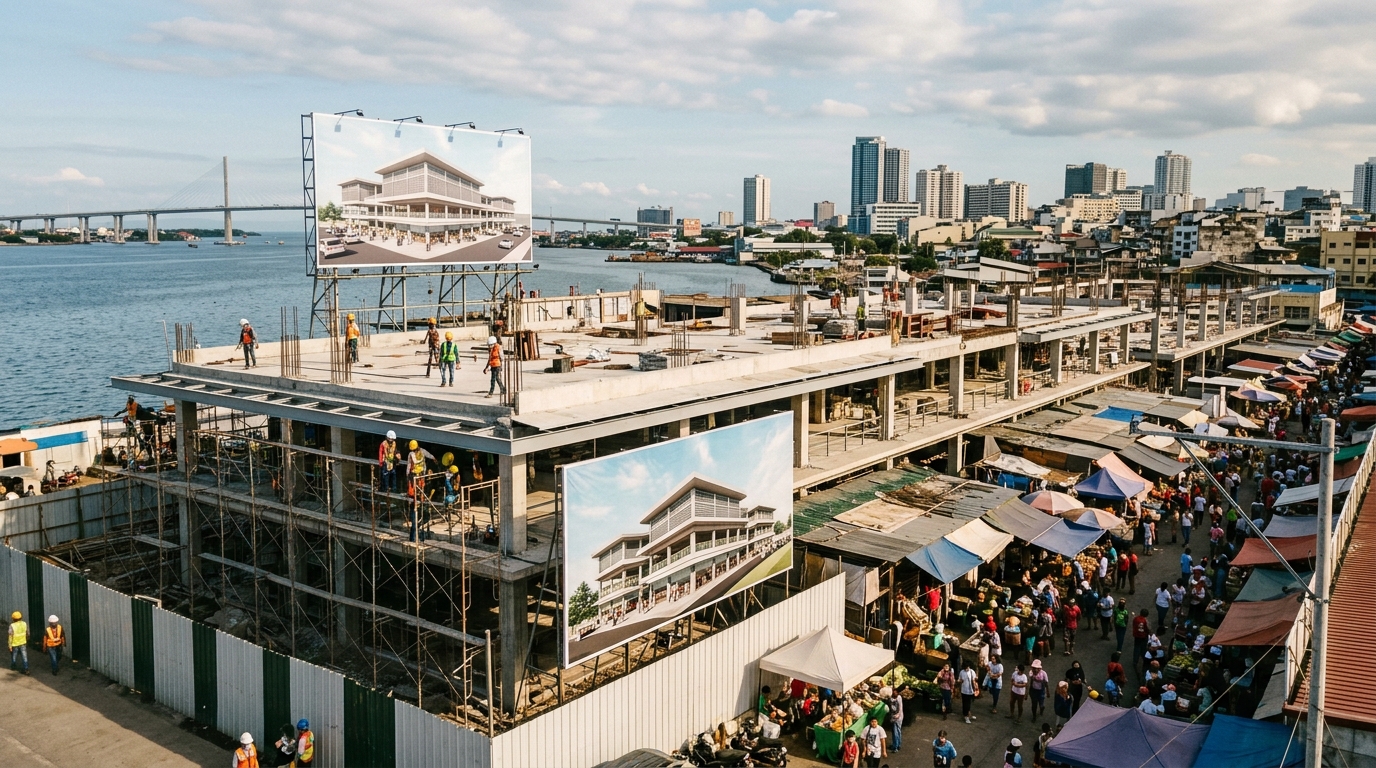
The atmosphere in Cebu’s oldest district shifted toward long-term certainty this week as the judiciary ruled that petitioners failed to establish a clear legal right to halt the Carbon Market redevelopment. According to the resolution dated April 23, 2026, the court found the request for an injunction "unmerited," effectively allowing the massive two-floor structure to rise as planned. This decision is a crucial cornerstone for the city’s 2026 fiscal roadmap, as it validates the partnership with Megawide Construction Corp. despite fierce opposition from the Carbonhanong Alyansa. The ruling emphasizes that progress on this ₱8-billion venture is essential for the city’s economic vitality and cannot be delayed by administrative disputes without irreparable proof of injury.
A Multi-Level Hub for 600+ Vendors
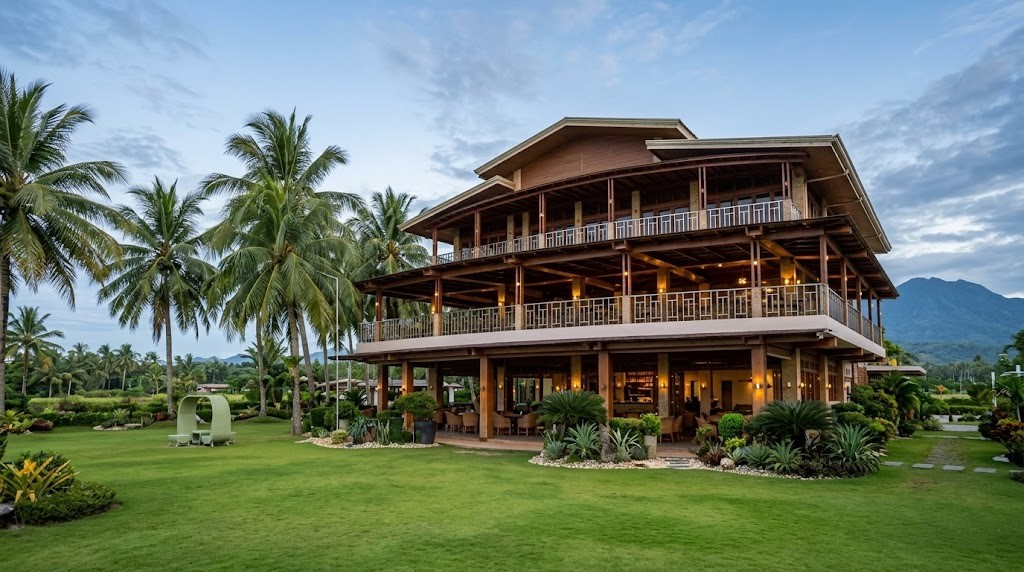
Beyond the courtroom drama, the physical transformation of the market is designed to provide a cleaner, more organized ecosystem for the city's essential trade. The new Carbon Market architecture features a sophisticated two-story layout specifically engineered to accommodate exactly 668 stalls within a highly ventilated and secure environment. This month, project planners highlighted that the design prioritizes high-capacity foot traffic while integrating modern sanitation systems that the old district traditionally lacked. It offers a unique opportunity for traditional vendors to migrate into a space that matches the global standards of 2026, ensuring that Cebu’s "soul" remains intact while its body receives a much-needed structural upgrade.
The Strategic Pulse of the Waterfront District
As of late April 2026, the progress of Carbon is increasingly viewed as the primary engine for the broader Cebu Waterfront revitalization strategy. The integration of the market with nearby heritage sites and the coastal road creates a seamless tourist circuit that city leaders believe will redefine the "Poblacion" experience. Recent updates from the city council suggest that this modernization is a template for public-private synergy, aiming to turn a once-congested area into a high-visibility destination for both local shoppers and international visitors. For anyone watching Cebu’s trajectory this April, the unwavering push for the new Carbon Market is the definitive signal of a city choosing bold modernization over the stagnant status quo.