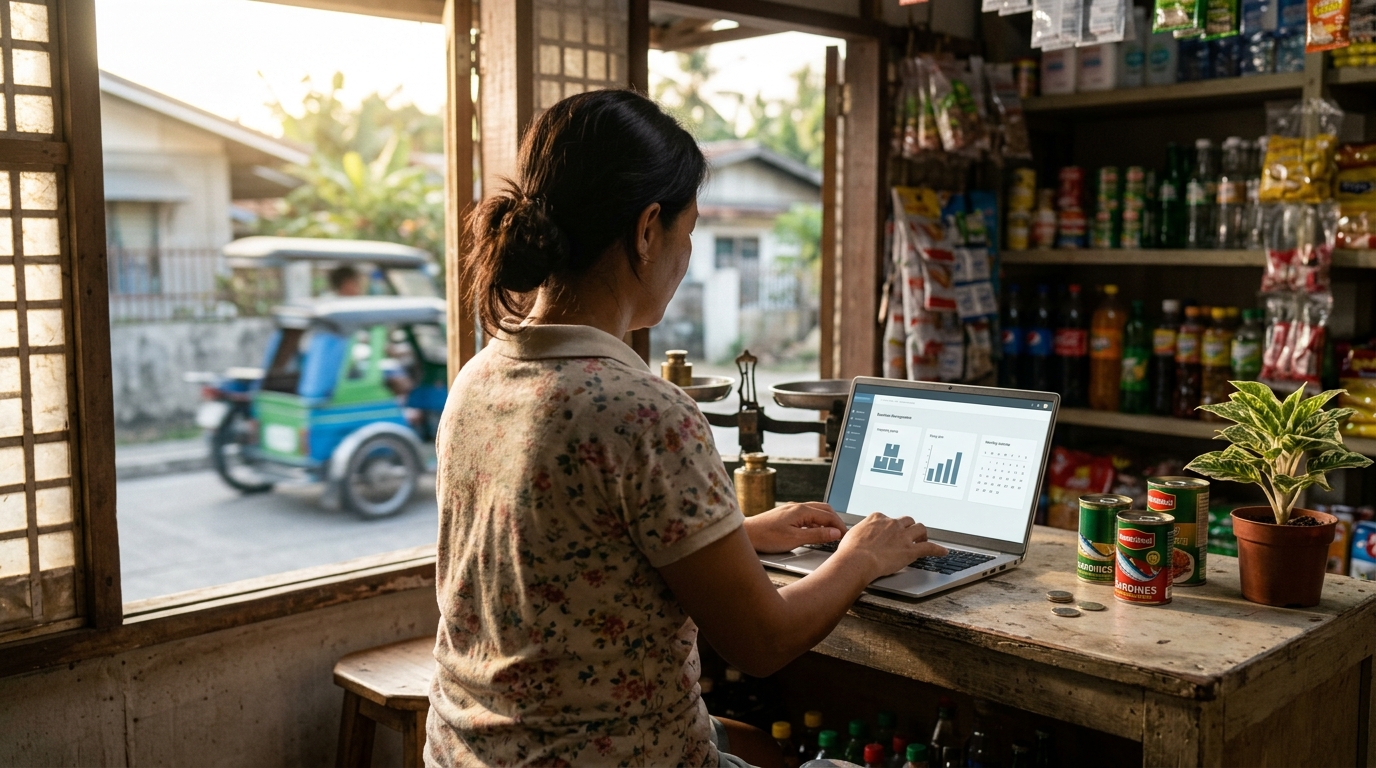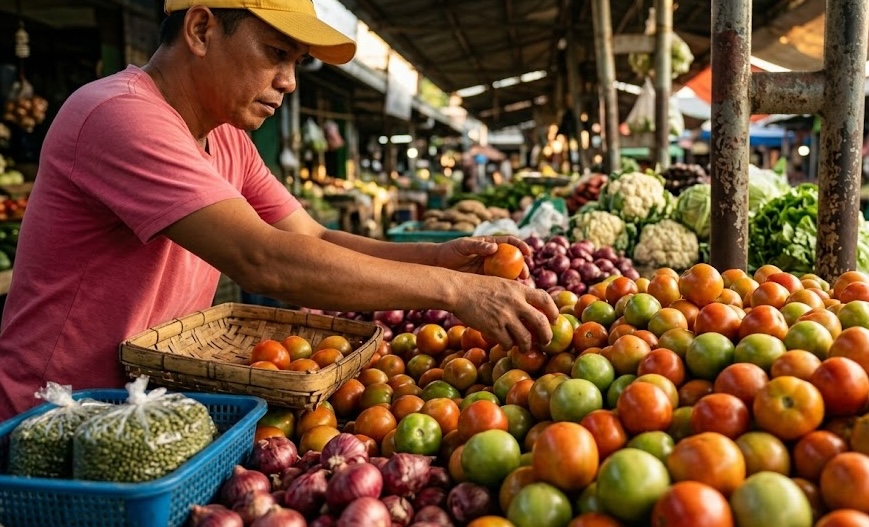
Global oil prices may be sliding, but this trend is bringing surprisingly little relief to the wallets of hard-hit Filipino consumers. While international markets reflect a downward movement in crude, the expected savings at local gas pumps and in the prices of basic goods and services are largely failing to materialize for families across the Philippines, creating a persistent economic strain.
Analyzing Structural Pipeline Trajectories and the 12-Month Pre-Crisis Horizon
This disconnect means that despite positive headlines about global energy costs, the everyday expenses for millions of Filipinos, including those supported by remittances from Overseas Filipino Workers (OFWs), remain stubbornly high. The impact is felt directly in household budgets, where transport costs, a significant component of daily expenditures, continue to exert pressure. This situation underscores a broader challenge within the Philippine economy, where global commodity fluctuations do not always translate directly or immediately into tangible benefits for the average consumer.
Insulating Household Capitals and Offsetting Domestic Commodity Inflation
For Filipino families, whether residing in the archipelago or supported by loved ones working abroad, the lack of significant relief from fuel price drops is a critical concern. In a nation where transportation costs directly influence the price of everything from food to manufactured goods, persistently high energy expenses contribute to overall inflation. This erodes purchasing power, making it harder for families to save, invest, or even meet basic needs. For OFWs, this means their hard-earned remittances, sent to provide a better life for their families, may not stretch as far as they should, diminishing the intended positive impact on their relatives' financial stability. The continued high cost of living can also indirectly affect the decision-making of potential OFWs, influencing their assessment of the economic landscape back home.
Tracking the Forex Shield and Deconstructing Dollar-Denominated Imports
Filipinos should understand that several factors can contribute to this lag in consumer benefit. These often include the time it takes for international crude price changes to reflect in local pump prices, the impact of taxes, distribution costs, and local market dynamics. A weakening Philippine Peso against the US Dollar can also offset global price drops, as oil imports are dollar-denominated. Therefore, while global oil trends are monitored, the immediate focus for families should remain on prudent budgeting and seeking out information on local pricing and economic policies. Understanding these complexities is crucial for navigating the current economic climate and managing expectations regarding future price movements.