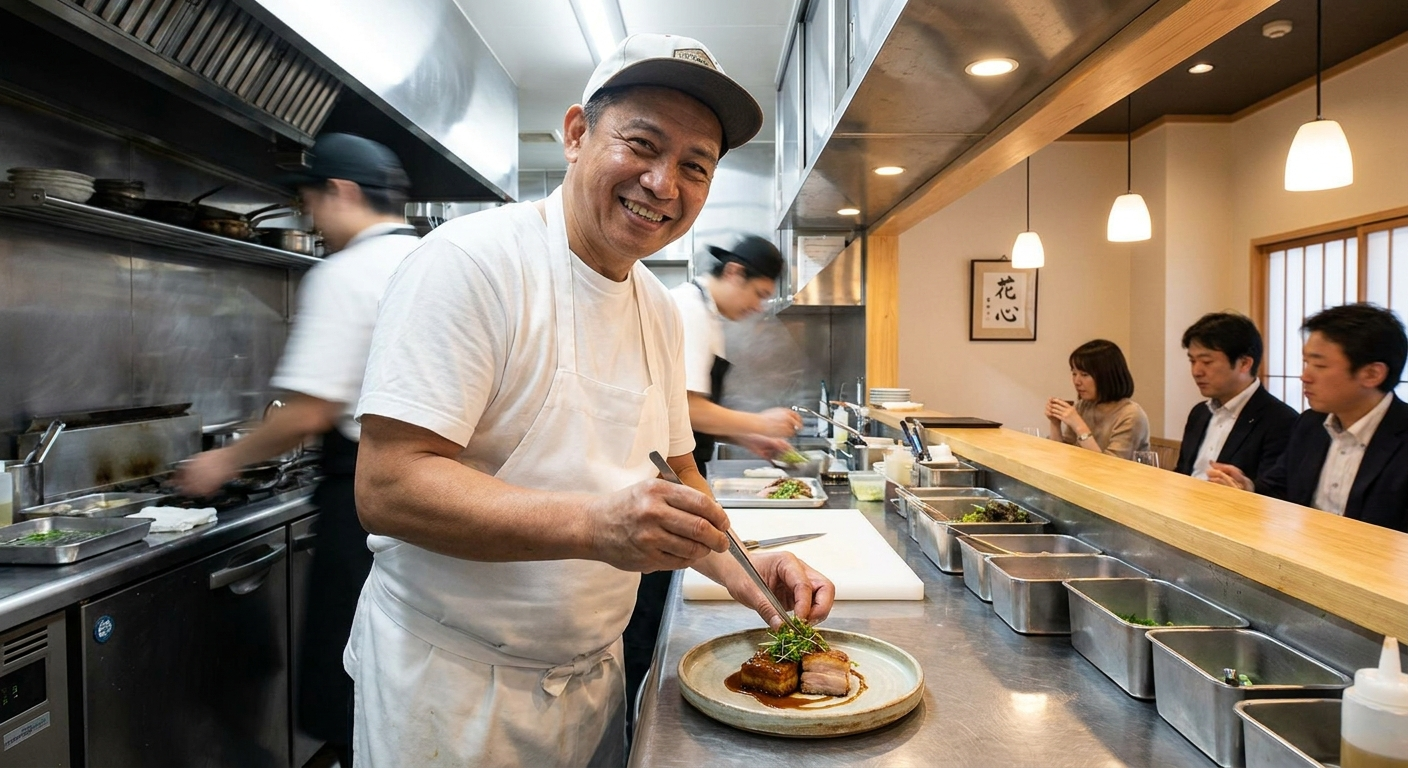
While the much-anticipated arrival of a major Filipino fast-food chain in Japan remains on the horizon, a quieter, yet significant, culinary revolution is underway. Filipino food, known for its vibrant flavors and hearty appeal, is increasingly making its presence felt across Japanese cities. This organic growth signals a burgeoning appreciation for Philippine cuisine, driven largely by the expanding Filipino population and their entrepreneurial spirit.
Filipino Dishes in Japan
The visibility of Filipino dishes – from adobo and sinigang to sisig and lumpia – is slowly but surely permeating the Japanese food landscape. This phenomenon is observed not through large corporate franchises, but often through smaller, independent eateries, specialty stores, and home-based ventures catering to both the Filipino community and a curious Japanese clientele. This growing presence points to a deeper cultural exchange, with Filipino immigrants and Overseas Filipino Workers (OFWs) playing a pivotal role in introducing their gastronomic heritage to their host country.
Effects on Filipinos
This trend holds substantial implications for the Filipino community in Japan and back in the Philippines. For OFWs, the rise of Filipino food establishments translates into potential job opportunities, not just in cooking and service, but also in supply chain and distribution of ingredients. It fosters a sense of community and provides a taste of home for thousands working far from their families. Economically, this burgeoning industry empowers Filipino entrepreneurs, enabling them to establish successful businesses and contribute to both the Japanese local economy and, through remittances, to the Philippine economy. Moreover, the increasing mainstream acceptance of Filipino cuisine serves as a powerful form of cultural diplomacy, raising global awareness and appreciation for the rich culinary traditions of the Philippines.
What Filipinos Need to Know
Filipinos in Japan, whether long-term residents or new OFWs, should recognize this as an exciting period for cultural and economic growth. For aspiring entrepreneurs, the current climate presents a unique opportunity to venture into the food business, tapping into an underserved market and contributing to the spread of Philippine culture. Even for those not directly involved in the food industry, supporting these local Filipino establishments helps strengthen community ties and ensures the continued growth of a significant cultural footprint. The increasing demand for Filipino food also hints at potential future job roles in culinary arts, restaurant management, and even import/export, further solidifying the integral role of Filipinos in Japan's evolving social and economic fabric.