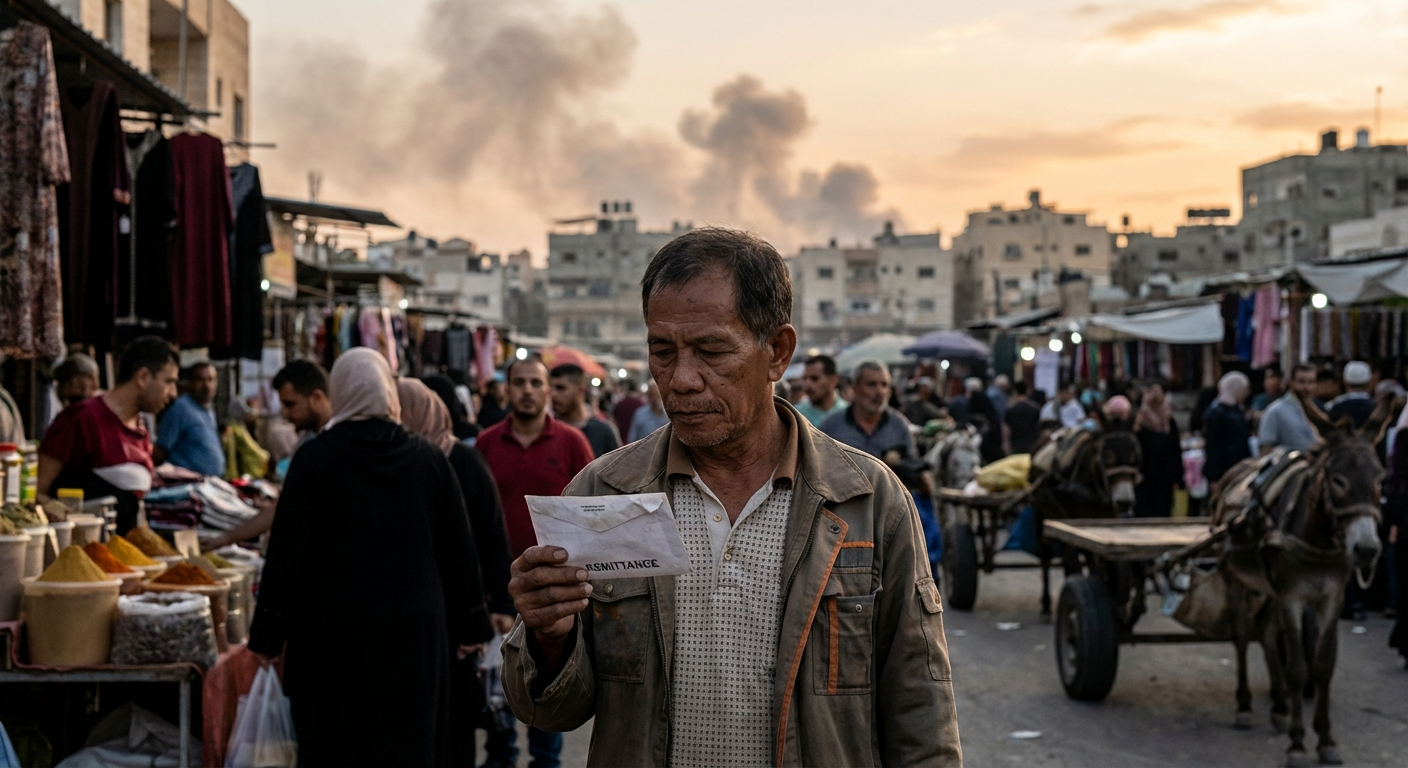
The escalating conflict in the Middle East is sending ripples through the global economy, prompting anxieties for Filipino workers overseas (OFWs) and their families back home. While the immediate impact might seem distant, experts warn of potential indirect consequences that could affect OFW remittances and overall financial stability. The primary concern revolves around the possibility of rising oil prices. A prolonged conflict could disrupt oil supplies, leading to higher fuel costs worldwide. For Filipinos, this translates to increased transportation expenses, higher prices for essential goods, and potentially reduced disposable income for both OFWs and their families in the Philippines.
Furthermore, some sectors employing a large number of OFWs, such as construction and hospitality in the, could face slowdowns or even job losses if the conflict intensifies, potentially impacting remittances. Why It Matters The Philippines relies heavily on remittances from OFWs, which contribute significantly to the nation's economy. Any disruption to these flows could have far-reaching consequences. Increased global economic uncertainty could also impact investment and business opportunities within the Philippines, potentially slowing down economic growth and job creation. The impact on sectors like manufacturing and BPO, which cater to international markets, should also be considered.
What Filipinos Need to Know For OFWs, it’s essential to closely monitor the economic situation in their host countries and proactively manage their finances. Diversifying income streams, saving diligently, and exploring alternative investment options can provide a buffer against potential economic shocks. Families in the Philippines should also prioritize financial planning and explore ways to reduce reliance on remittances. Staying informed about the evolving geopolitical landscape and its potential economic impact is crucial for making informed decisions. The Philippine government also needs to prepare contingency plans to support OFWs who may be affected by the conflict...