



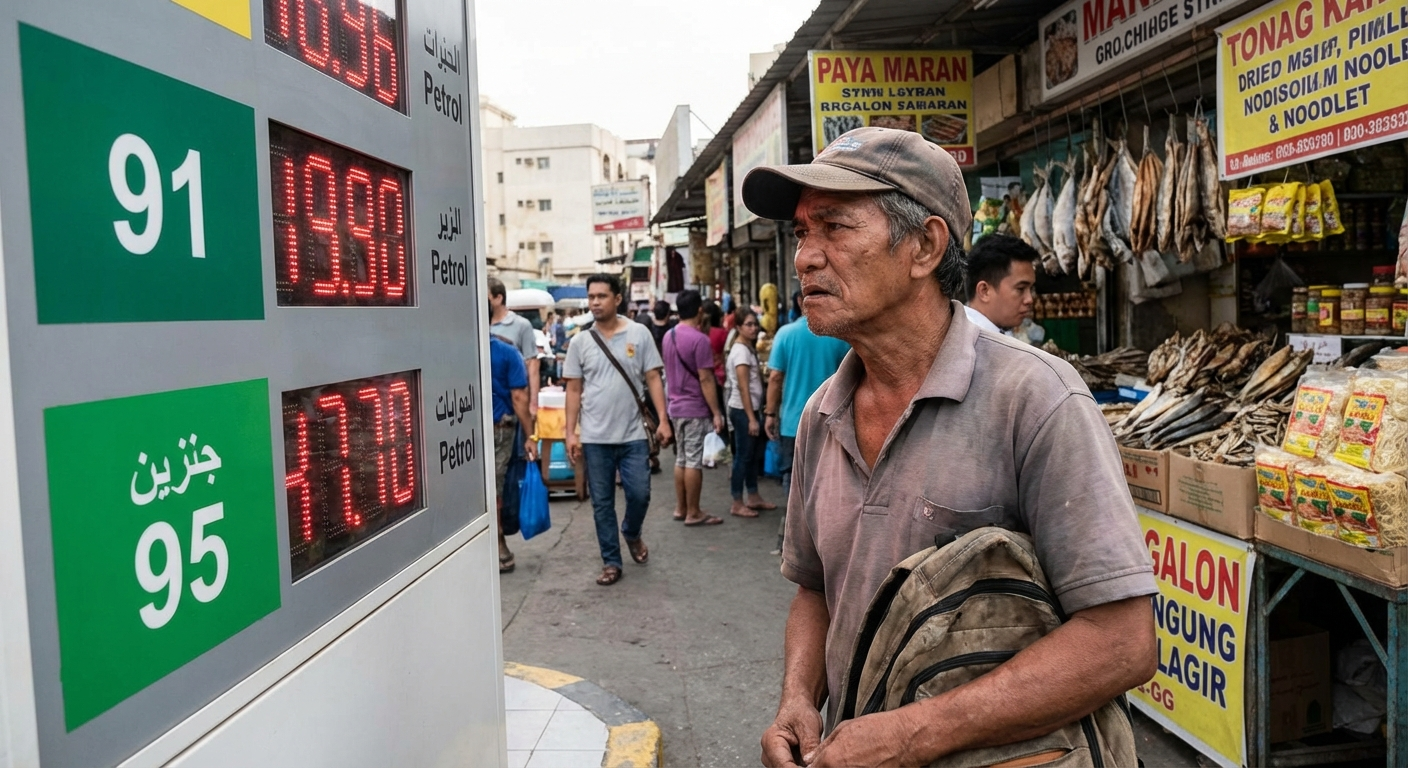
The Philippines, along with other import-dependent nations, braces for potential economic fallout as global oil supply faces disruption stemming from tensions in the Gulf. This situation raises concerns for Filipinos both at home and abroad, especially for Overseas Filipino Workers (OFWs) who contribute significantly to the nation's economy. Higher oil prices translate to increased costs for transportation, goods, and services, impacting the daily lives of Filipinos. Rising crude oil prices directly influence pump prices in the Philippines, affecting transportation costs for commuters and businesses alike. This ripple effect extends to the cost of basic commodities, potentially straining household budgets. For OFWs, this could mean decreased remittances due to higher living expenses in their host countries, and a reduced value of money sent home to their families in the Philippines. Why It Matters The Philippines is heavily reliant on oil imports, making it vulnerable to fluctuations in the global market. Any crisis affecting oil-producing regions, such as the Gulf, can trigger a chain reaction, leading to inflation and economic instability. Filipinos working overseas, especially in countries with a high cost of living, are particularly susceptible, as their income may not keep pace with rising prices. Furthermore, families back home in the Philippines who rely on remittances may find their purchasing power diminished. What Filipinos Need to Know Filipinos should stay informed about global oil market developments and their potential impact on the local economy. Prudent financial planning and budgeting are essential to mitigate the effects of rising costs. OFWs should explore strategies to maximize their earnings and minimize expenses in their host countries, and consider alternative investment options to protect their savings. Staying connected with reliable news sources and financial advisors is key to navigating these challenging times.
