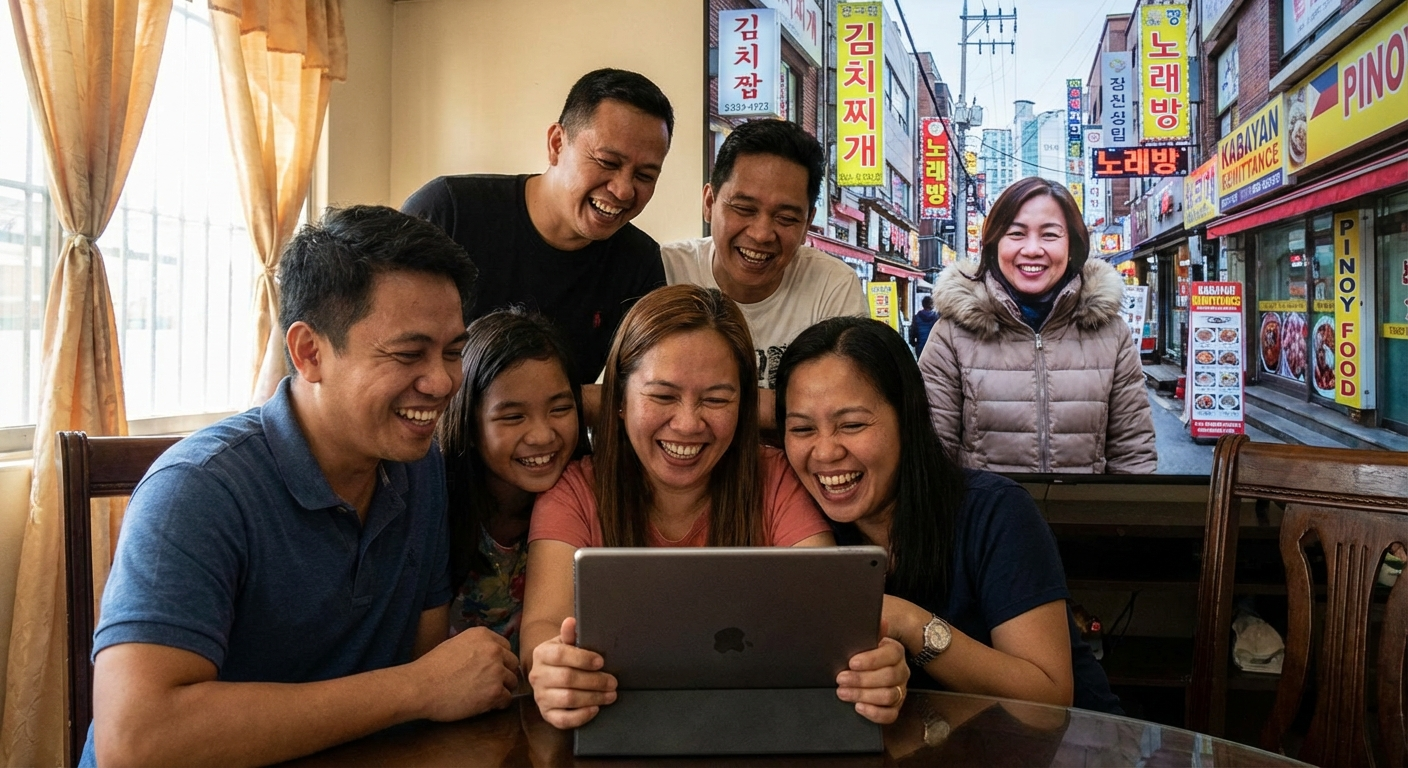
The Philippines is prioritizing efforts to retain South Korea as its primary source of international visitors, a move that directly affects the livelihoods of many Filipino families and Overseas Filipino Workers (OFWs). Tourism contributes significantly to the nation's economy, and a steady stream of Korean tourists is crucial for various sectors. The Philippine government understands the importance of Korean tourism and is actively working to ensure the Philippines remains an attractive destination. This focus translates to potential growth in sectors that employ Filipinos, especially those in hospitality, transportation, and services catering to tourists. A thriving tourism sector means more jobs and increased income for families back home, impacting OFWs who often remit funds to support them. Why It Matters The economic impact of tourism on the Philippines cannot be overstated. The influx of Korean tourists generates revenue that supports local businesses, creates employment opportunities, and stimulates economic growth. For OFW families, a robust tourism sector in the Philippines can mean less reliance on remittances, potentially leading to greater financial stability and encouraging return migration as opportunities increase locally. Conversely, a decline in tourism could negatively affect these families and potentially increase the need for overseas employment. What Filipinos Need to Know Filipinos, especially those considering or currently working abroad, should monitor the developments in the Philippines' tourism sector. The success of attracting and retaining tourists, particularly from South Korea, directly impacts the availability of jobs and economic opportunities within the country. Supporting local tourism initiatives, such as promoting Philippine destinations to friends and family abroad, contributes to a stronger economy and a brighter future for Filipinos at home.